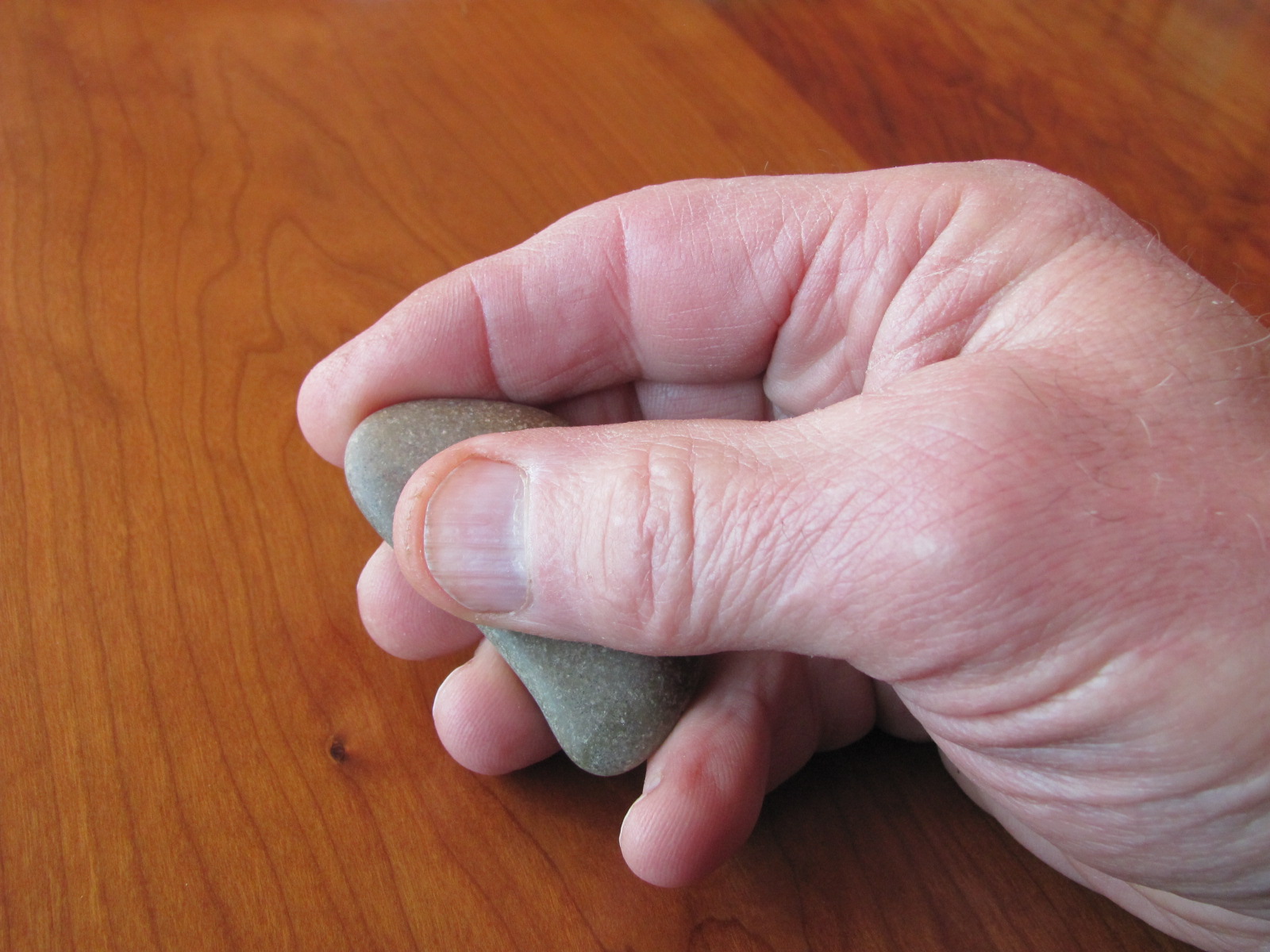
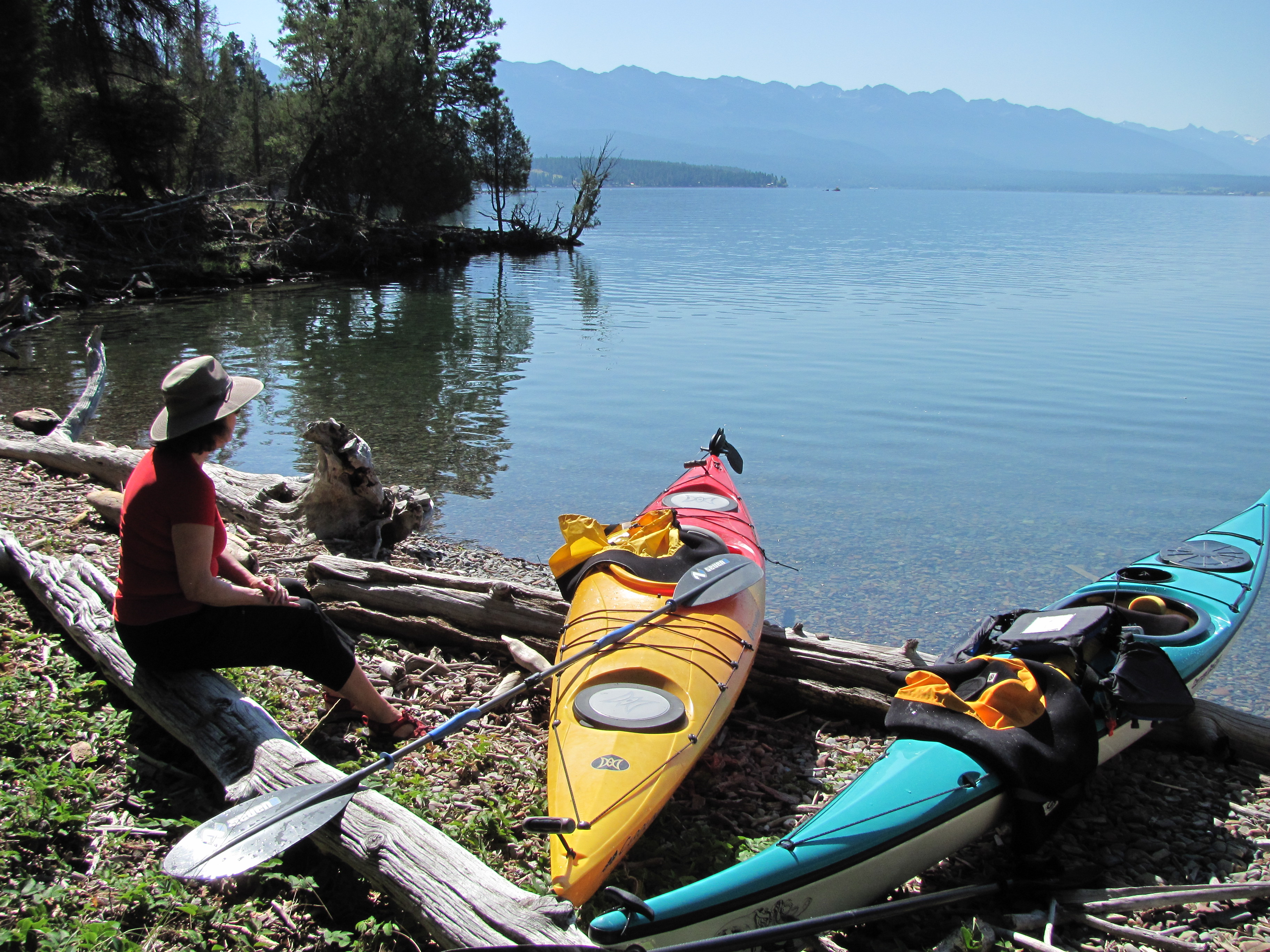
It is six degrees below zero this morning and will likely be even colder tomorrow. This near the solstice the sun has not yet risen. Seventy-five miles south of the lake and faced with other responsibilities, I will not see its winter face any time soon. Yet, the lake lives in my mind and I travel to it in my imagination. I picture what it looks like after all the leaves have fallen from trees around its shore, after almost all its birds have flown south, after all its summer residents have locked their doors and shuttered the windows. I picture its shoreline after six-foot waves driven by autumn storms crashed on its rocky rim and pounded its islands. If I happen to see the 10 p.m. news, I look to the rooftop camera in Polson to give me an idea of how far the ice extends into the bay and if it reaches all the way to The Narrows. I travel to the lake in my mind in much the same way that a parent travels on the jet stream of imagination to a beloved son or daughter who lives on another coast or another latitude. The heart wants to check on what it loves. Paddling in and through the lake’s surface in many kinds of conditions, through all the moods of weather, under all the passing arcs of the sun and several traced by the moon, I have put the lake inside myself. It does not leave me. I return to it mentally and seek to know that it is well even when the predawn hours are locked in cold and I am far away. To help with this process I take a stone I collected from one of Flathead’s beaches, cradle it in my palm and rub it with my thumb, feeling its soft curves, the texture of its molecules. I feel for the effects of time, the way the lake’s long-buried river tumbled its edges and ground its points away. I use the pebble as my touchstone to keep me in contact with a place that lives inside of me. I am made of water, mineral, and memory.
Clear At Last
Having put Bluebird away for the season I am already missing life on the water in this fine and fragile craft. It is time to feast on memories. On November 2, 2012, I wrote:
I sense both an opening in my teaching schedule and safe weather in which to paddle. To save a little time in the morning I leave the truck out overnight with the boat tied on the rack. In the morning I load up my duffel bag and some food and pull out of the driveway around 8:30. It is still fairly dark on the last Friday before the end of daylight savings time.
When I crest Evaro hill I leave valley fog behind. The back side of the Rattlesnake Wilderness, however, is shrouded in clouds. After I top the Ravalli hill and head north toward Arlee and St. Ignatius, I see rough-legged hawks on the outermost ends of the crossbeams of the telephone poles. Linemen have placed metal prongs on the arms of the poles to discourage hawks from perching on the middle section. Some of the birds sit atop the pole itself where it isn’t capped with an insulator. Their presence reminds me that winter is on its way. This will certainly be my last paddle of the year.
I return to Walstad to find public access and a place to park. I will always be grateful that John Walstad donated this property to the public in 1956. I find two cars in the lot and two trucks with boat trailers. The Mack Days fishing tournament concludes this weekend. Perhaps a few guys in the tournament have launched from here.
Almost as soon as I get out of the truck I am struck by the quiet, by everything I am not hearing. There is very little traffic on the road. I don’t hear guys chattering on the boat ramp or scouts playing in the lot as they wait their turn to head over to the island. I don’t hear chain saws or jet skis, ATVs or airplanes. Most of the cottonwood, elm, aspen, and willow leaves have fallen on the sidewalk and the beach. Just a few flags hang from the outermost twigs. In the distance larch trees stand out against the blue green background of pine and fir. October’s yellow green has become November’s light orange. I watch a leaf let go. The stem acts as ballast, the plane of the leaf as parachute. The leaf falls face up to the sky, swaying back and forth until it touches the ground.
In addition to the quiet I notice something else. The last time I was on the lake, forest fires had filled the basin with smoke, reducing visibility to less than a mile. I thought I might be able to see better today; but, in fact, I see much better, almost as if cataracts had been removed from my eyes. I am able to pick out details on Wild Horse Island, individual cabins on the south-facing shore, specific trees on the lower slope brought down by last week’s windstorm, even a few buildings in Elmo. Rain has washed the sky clear of smoke, dust, and pollen. I wonder, too, if the air has been cleansed of something less tangible–summer’s frenzy, the frantic quality of people driven to make the most of their weekends. I have never seen such a clear atmosphere. To see this well, to see the lake like this, seems like a good reason to paddle in November.
Today I want to paddle east to the major points on the south shore—White Swan, Matterhorn and Black Points, and down into the bottom of each of the fiords—White Swan, Indian, Whiskey, and Cat Bays. I paddle away from the dock at the fishing access and run parallel to LaBella Lane where Joyce and I got to spend a week three years ago. I remember dinner on a friends’ deck, the old boat sheds with their heavy overhead winches, some of the odd color schemes, the beautiful stone foundation supporting one of the older homes.
Along the way I see yellow, heart-shaped leaves that have been blown into the water from cottonwood trees. They drift in the subtle movements of water and will eventually settle and contribute to lake bottom sediments.
Under cloudy skies the patterns on the water alternate hypnotically between horizontal flashes of silver and a background of dark green or blue, depending on my distance from shore. In her Tinker Creek chapter on “Seeing” Annie Dillard cites Peter Freuchen who describes a kayak sickness that befalls Greenland Eskimos when they paddle in light like this (22). Hypnotic in quality, it can take possession of a paddler’s consciousness until he feels as though he is sinking into a bottomless void, almost as if the world has been inverted, with the sky below and the water overhead. Having recently read this passage, I try out this way of looking at the world. As I yield to this way of seeing, I feel pulled into falling and disorientation, what could become a kind of madness if one did not turn away. I feel it strongly enough that I focus my eyes on shore and a point in the distance. It is not hard to imagine what it would be like to wait too long to re-orient oneself.
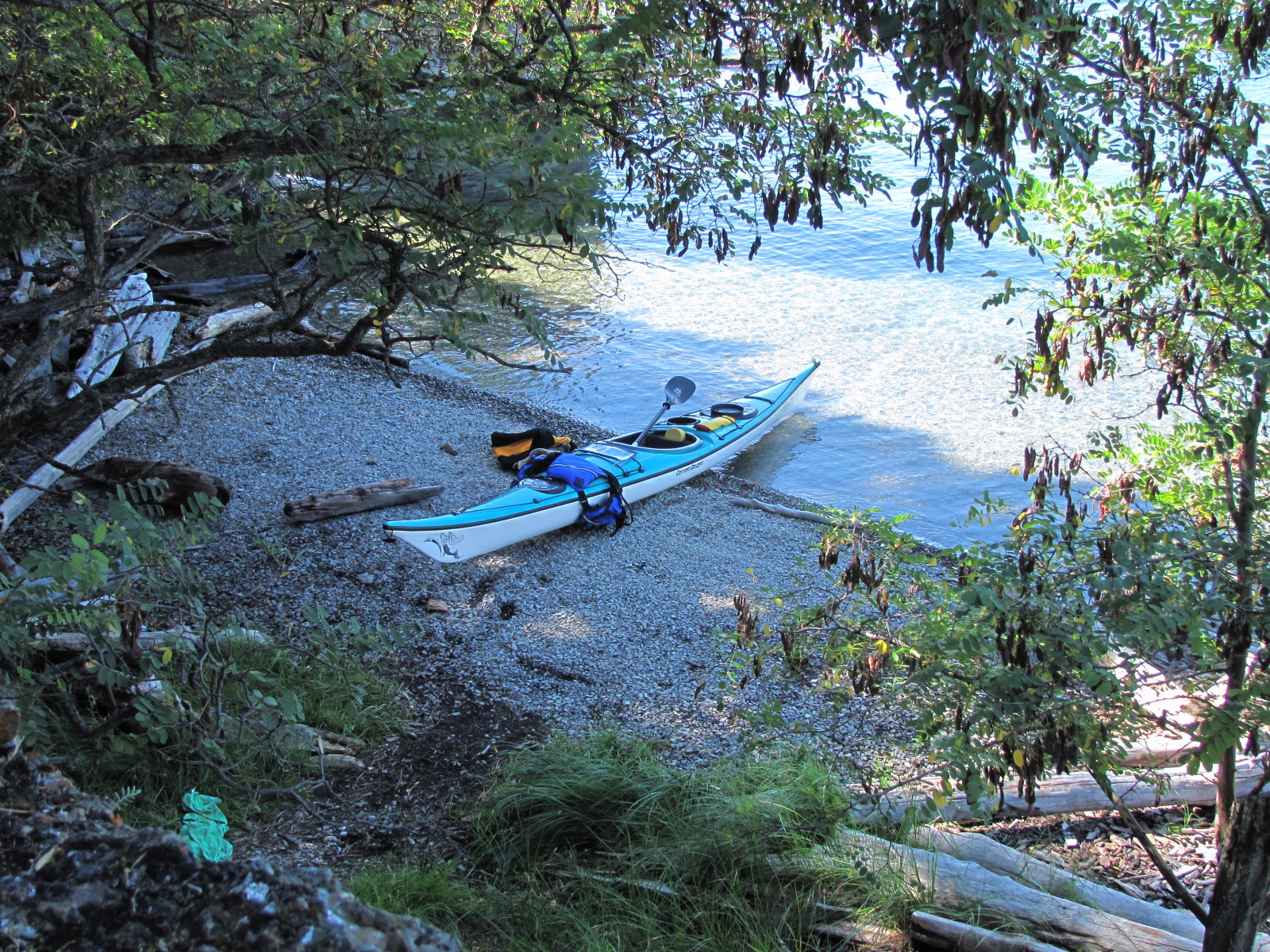
I pass between Melita Island and the coast, stay outside Dream and Bootlegger Islands, then drop down into the bottom of White Swan Bay. I see a small beach and an old cabin hidden far back in the trees. I decide to land with the thought of taking a photo of myself in the boat. Paddling mostly alone, I have taken very few such photos. I let the bow touch the beach stones and hop out. I rig up my Gorilla Pod, spread the legs evenly and widely, and place it on the front hatch cover. The camera aims back toward the cockpit with the lake in the background. The arrangement seems top-heavy, so I know I am taking a risk with my camera. Nevertheless, I tell myself that if I move carefully back to the cockpit in the ten seconds I have, this might work. I set the time exposure button and press the trigger. I try to move smoothly back to the cockpit but as soon as I start to sit I cause the boat to lean ever so slightly. I watch the miniature tripod start to tip and the camera topple. I am on my feet in a flash and grab the camera out of an inch of water. I feel sick knowing that I may have ruined my camera and will not be able to take any photos this trip.
Letting the feelings move through me, I recall instructions I have read about wet electronics. Using the paper towel that surrounds my lunchtime apple, I wipe away all the moisture I can. It would be best to place the camera in a bag full of rice, not something I have on hand while kayaking. For now I place the camera back in its case and in the pelican box. When I get back to the truck I will open every compartment, remove the batteries and let the warming fan blow on the camera as I drive back home. If I can make myself wait through the night without trying the camera, maybe it will be all right the next morning. I try my best to waste as little time as possible in self-reproach. It is better simply to learn.
Resigned to the consequences of my mistake, I get back in the boat, secure the skirt, and head out of the bay for White Swan point. I round the point in the company of a line of fisherman hoping to hook the tagged lake trout worth several thousand dollars or the big prize for catching the highest total number of fish. I paddle along the east-facing shore of Indian Bay, remembering a satellite image that showed how the bay narrows almost to a channel at the end. With the water level about three feet lower than summer’s full pool, I see some long narrow fins of rock that stick above the surface. I imagine them as the ridged backs of humpback whales. At the very bottom of the bay I paddle in a few inches of water and hear the trickling sound of a small stream that enters the lake at this location. When I can proceed no further, I back out, turn around and follow the west-facing shore out to the mouth of the bay.
I head out in still-calm conditions to Matterhorn Point and spot the now-familiar red and green Texaco sign on the strong white stanchion bolted to the rock. The lake level is still about seven feet higher than it will be next spring. As a result, the fins of rock north of the point do not protrude above the water, but I sense their presence. Slabs of rock tip down toward the bottom of the lake, high on the west, low to the east. These great tilting slabs are a reminder of the weight of the glaciers that helped to form the lake basin.
Repeating the same pattern, I paddle down the east-facing shore of Cat Bay. This time I look carefully for hints of the presence of Safe Harbor Marsh, a Nature Conservancy Preserve just over the brow of one of the ridges along this shore. Twenty years ago I made a winter visit to the preserve. I remember looking over the ridge from the preserve side and seeing the lake. From the level of the lake, however, it is almost impossible to have a sense of the marsh’s location.
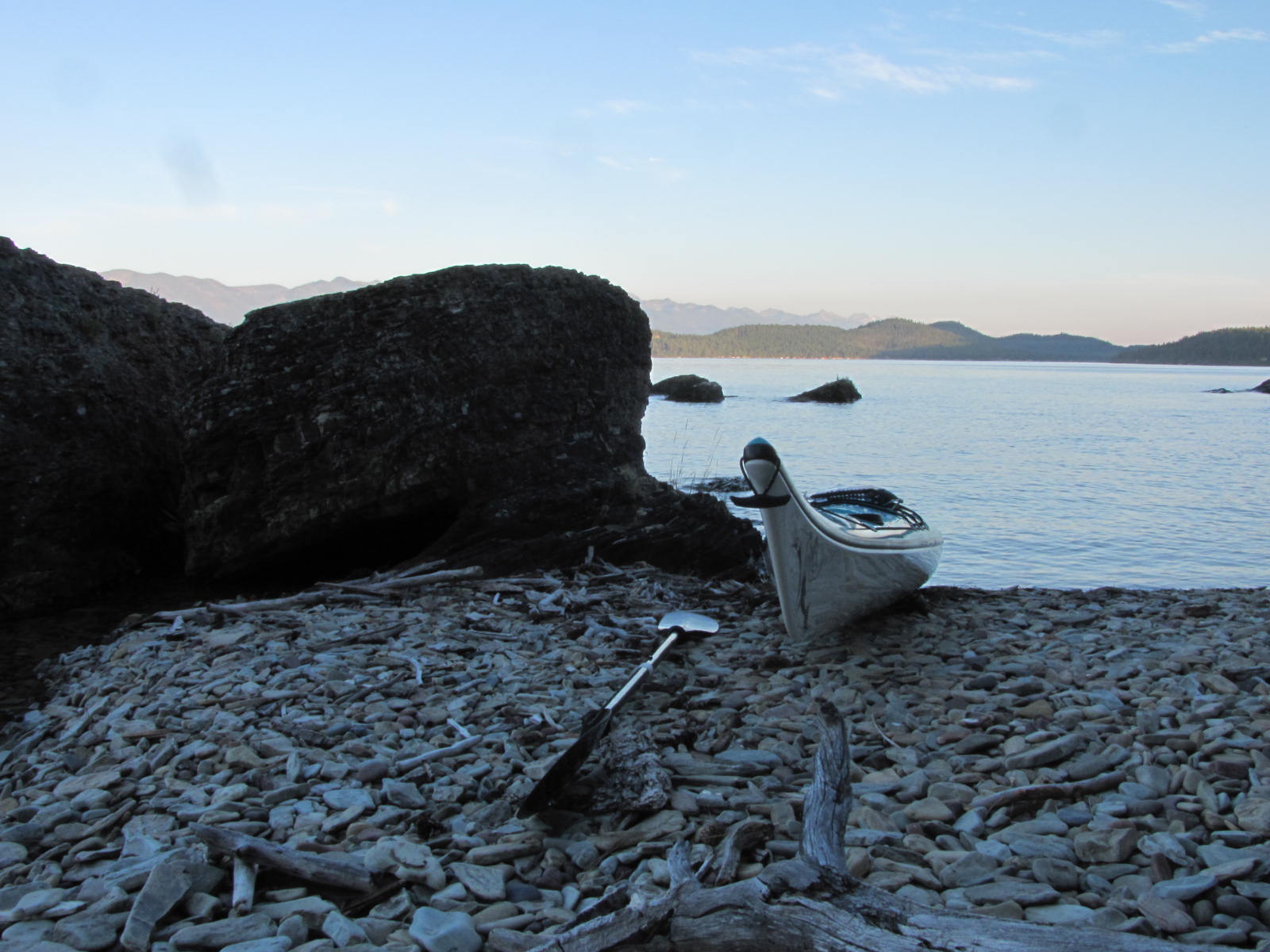
Near the bottom of the fiord I head back into open water, touch my paddle to the outermost rock of Black Point and begin the return journey. I feel tempted to paddle on to Bird Island or Finley Point, but know that this would add at least six miles to my total distance. I know my limits and decide to reverse course. This time I paddle down the west-facing shore and find a beautifully protected cove. It is utterly still. A sailboat, tied to its anchorage, seems as though it will be perfectly safe no matter what weather falls upon it this winter. I land on a small beach exposed now by the lower lake level. I find a place to sit in the silence and eat my lunch. Again I am amazed by everything I am not hearing. No hammer blows, no whining saws, no horseplay echoing from the docks, no deck parties carrying the sound of human voices. Occasionally a raven calls.
Still perfectly comfortable on a day of about 47 degrees, I settle back into my boat and push off from the beach. This time a slight breeze comes to me out of the south and helps me paddle across the open mouth of Cat Bay and quickly back to Matterhorn Point. I wave to fisherman and head for the point at White Swan. I head into a faint breeze blowing now out of the west. Paddling against a little wind the boat suddenly seems lighter, perhaps even faster, as if the little waves break some kind of surface tension that sticks to the boat. The water no longer feels heavy. I head now toward the south shore of Melita Island. I want to pass over the long gravel bar formed by the waves that normally sweep out of the northeast and cause gleaming stones to be deposited in this location. I touch down here, holding my position by sinking my hands in the gravel. I take a moment to catch my breath before the last passage to Walstad. I start to feel tired now and remind myself to use my best technique, not to slouch or let core muscles collapse. I reach for each stroke, let the crown of my shoulders rotate back right and then back left. Soon, the huge houseboat on blue steel pontoons comes into view. I pop the skirt, extract my legs, and coast into the ramp.
I have covered about seventeen or eighteen miles on a perfect November Day. In many ways paddling at this time of the year, provided that I am between weather systems, seems safer than paddling in April or early May. With the lake surface at 50 degrees, and the air at almost the same temperature, I am safer than when the air is warmer and the water at 38 degrees. I hope to paddle again during the quiet days when almost no one else is on the lake and the atmosphere has been washed by autumn’s first storms.
Between Stars and Swans
(September 27, 2013)
I see another opening for a paddle. At the university I am between Galileo and Descartes and can catch my breath. The grass is too wet to mow after record-setting rains earlier in the week. I go to bed early Thursday night, planning to paddle on Friday, but feel so excited about what will almost certainly be my last paddle of the season that I wake in the middle of the night. I know that I won’t sleep unless I move, so I go outside for a view of the sky. The season’s first hard frost covers every surface with a bright glaze. Overhead, big stars and a couple of planets surround a half moon as if drawing close to their mother. With this image in my mind I return to bed for a little more sleep.
In the morning I glance outside to see my kayak and truck covered with the same hard frost. The day is supposed to be as clear as the night, but I have my doubts. I tell Joyce goodbye and promise to take my cell phone as I head out the door. Heading north I see that days of rain after a frighteningly dry summer have brought raptors down to the fence lines and wires. Rough-legged and red-tail hawks scan the fields from Arlee to St. Ignatius. Up high the first snow has fallen on The Missions. The log decks at Hunts suggest they may be able to saw all winter. Atop the Polson moraine I see a lake that looks like gray fleece. I pass through town and pull into the lot at Walstad. I want to paddle around Wild Horse in a clockwise direction, visiting the places in the daylight that I explored during the night this past July.
As I begin to paddle to the island I notice something I have never seen before: the horizon in every direction looks as if hundreds of geese are taking off from the surface of the water; it is as if flashing wings span the horizon. I see no birds, so I am puzzled about the cause of this apparent disturbance on the surface. Looking carefully at the horizon it appears to me as though the relatively warmer temperature of the lake in relation to still-cool morning air creates the illusion. When a distant boat passes across the horizon it seems to ride on airfoils, in the air, not the water. I like the effect.
When I make the crossing to the island I usually draw near to the shore and enjoy the psychological relief that comes with seeing the bottom again. In this case I keep myself off shore and take a direct line to the flagpole snag that marks the entrance to Skeeko Bay. I pass one eagle along shore and then a second on the nearly branchless tree. I pass the big bay on my right and meet the shoreline near the island’s Primitive Area, then find my way to the beach where I rested during the darkest hours of the night. I haul out here and go for what Pooh called “an explore.” I pause over dry flowers standing stiff above the duff, find an antler shed, nearly invisible in the matted grass, a deer skull at the base of a stump, several feathers shed in the molt of August, a large ziplock baggie that I carry back as trash. The island is silent; the only sounds made by trucks gearing up the grade on the highway across the strait. After wandering I return to my boat, nestle in the gravels, and eat my lunch.
As I resume my paddle I seriously consider continuing north to Cedar Island. The crossing would add six total miles to the paddle, but I feel uncertain about the weather. Choosing caution over adventure, I continue around the island. When I reach the northernmost rocks I realize that I have made a good decision. Without having realized it until now, I have been paddling in a false calm. The island has protected me from winds blowing hard now out of the southeast. I cinch my hat to face the gusts and begin to work. By the time I reach the southeast corner of the island I realize that I need to make another decision. I had planned to follow the southern coastline of the island, traveling east to west, then cross back to Walstad. Today this would leave me with a final crossing in broadside winds and waves. I abandon this plan and head straight for the north shore of Rocky Point. I prefer a stiff headwind to taking wind and waves at oblique angles. This, too, proves to be a good decision. While the wind blows consistently from one direction the waves are utterly chaotic and disorganized. I lower the angle of my paddle, so as to keep the blades a little closer to the surface, and take the wind in the teeth.
I eventually come into the relative lee created by the shoulders and ridges of the north-facing topography. As I head west I pass Camp Marshall, an extraordinary home with a jet helicopter in the front yard, a few people hammering things down before winter or tucking their boats away. Ahead of me the water looks like abraded carbon, Melita Island black as coal. I eventually arrive at the public dock, give two boys casting lures a wide berth, and swing into the quiet little bay just beyond the access site. After putting my gear and boat away I use the high back of the bench near the dock as a windbreak and eat a huge honey crisp apple.
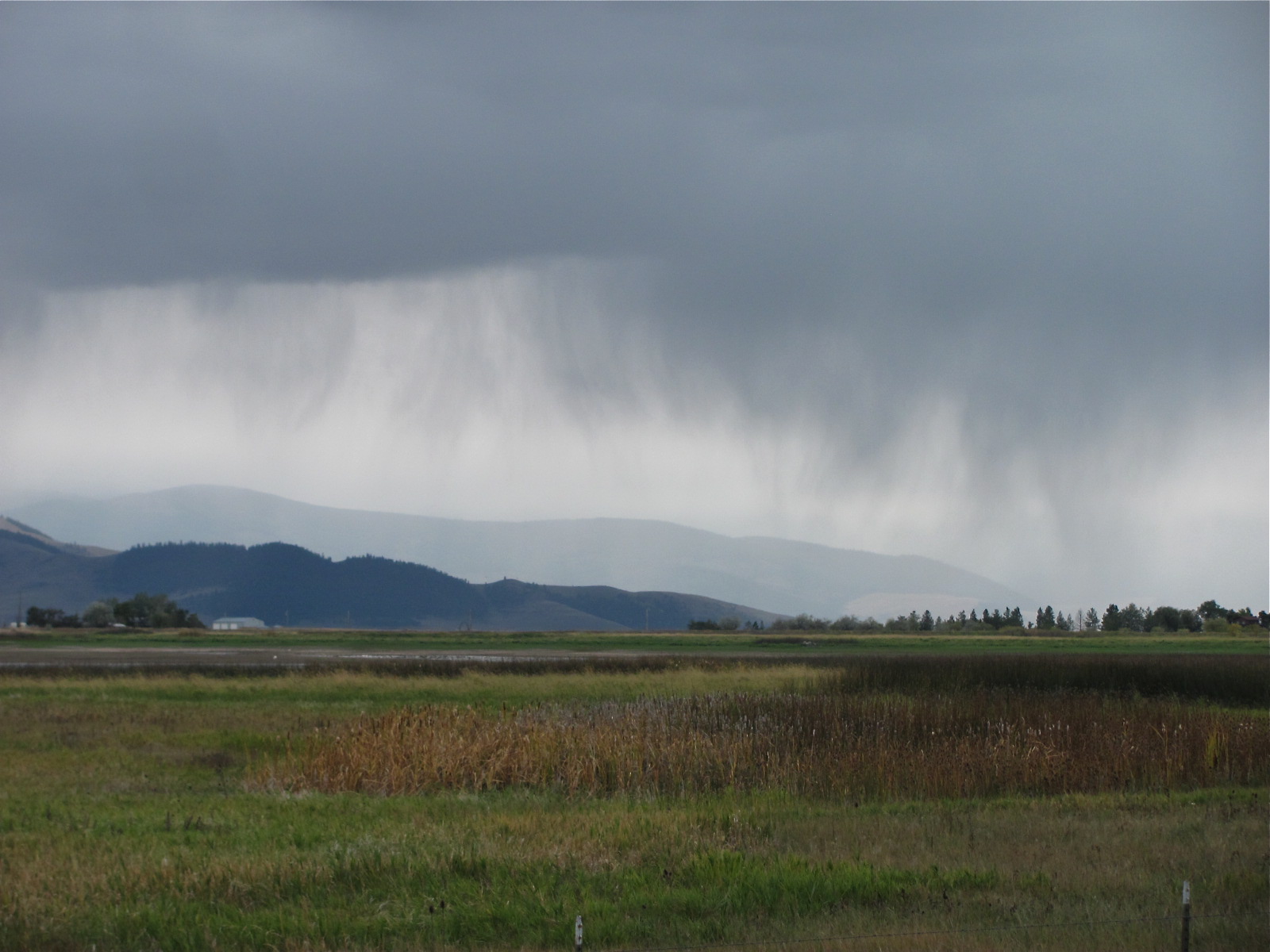
On the way home I see even more clearly that I made good decisions today. Snow squalls veil the canyons between peaks in The Missions and rain begins to fall west of the highway near The National Bison Range. To slow the pace I take the long way around to Ravalli and increase the chance of seeing more birds. I stop several times to take photographs through the truck‘s open window. I feel drawn to all the colors of autumn grasslands, reflections in the water of Ninepipes, and rain falling near Moiese. Up ahead I see two trumpeter swans with 80-inch wingspans flying from right to left. They pass through the telephone wires, cross the road, and continue south. I check my rear view mirror to see if I can stop again. Seeing headlights, I drive on, capturing the birds in memory rather than pixels. This has been a good way to end the paddling season. I see why I woke in the middle of the night.
Swell Waves
(August 21 2009)
And you are ever again the wave
Sweeping through all things
(Rilke, Book of Hours, II, 3)
The semester will soon begin. I want to get in another paddle before I am bound to the routine of classes, office hours, and the internal pressure to try to make each class better than the last time I taught it. I also need a way to discharge the anxiety that accumulates in the final days before I meet my students. With all this in mind, I drive up to Finley Point Campground, arriving at about 10 a.m., and park the truck in the main lot because I am not going to camp. To get a feel for the day I walk out to the point, still shaded by the cottonwoods. I find unusual conditions. The wind is blowing out of the southwest rather than summer’s more typical northeast. I turn to my right and notice several people standing on the docks trying to decide whether to take their boats out on the lake. Something about the conditions causes them to hesitate.
I pause and try to assess them for myself: large swells, unlike any I have ever seen on Flathead Lake, roll toward the north. The distance between rounded crests is much greater than when whitecaps fill the fetch. I am relieved to see that the tops of the waves do not break. If waves this size tipped over and broke I would stay on shore and watch, like a surfer who perches on the cliff and does not carry his board down to the beach. When I see that the wave tops are smooth, even in the shallows of Finley Bay, I decide to proceed. I pull out of the little marina and suddenly feel the full force of the wind and the way the big waves slide under me from behind. For a moment I question the decision to launch and consider turning back. But after a few dozen strokes I begin to feel more at ease: these big swells will not swallow me. I concentrate on my breathing and adjust my paddling rhythm to the rise and fall of the swells. Gradually, the tension leaves my body. After a few minutes I slip into effective and relaxed strokes, riding the remnants of what must have been a great storm.
As I head north I am surprised by my speed. I have never experienced anything like these big, soft swells. It feels good to be moving with rather than against all this energy. If one were inclined toward seasickness, this would not be a good day. I associate this waveform more with the ocean, having seen such waves off the coast of Southern California when I sailed as a young teen with my father. (I later learn from my wife’s uncle—a lifetime ocean sailor, that these are “swell waves”). Though swell waves are normally generated by distant storms on the ocean, I am experiencing the aftermath of a strong late summer storm on the lake. These swells are the remnants of what was once a stormy inland sea.
Carried on the round back of the swells, I quickly pass Horseshoe and Bare Belly Island to the east and notice a large powerboat heading toward an anchorage at the south end of Bird Island. By their quick movements, the people on board seem anxious to get to shore. Perhaps the rolling motion set up by the waves and a rising and falling horizon make seeking solid ground a necessity. I pass them as they wade ashore: they seem visibly relieved to be on land. Still assisted by the waves, I travel up the east shore of Bird Island, round the rocky point on the north end, and enter my favorite bay.
I explore the island on foot, cross through the island to the east shore, struggle over deadfall, duck limbs and spider webs. Once through the tangle, I finally break into the open and look to the Mission Mountains. I decide to walk the shoreline back to my boat and bay. I hop rocks and wade through shallows. By setting my miniature tripod in the water I take a few pictures to get a water-level view across the bay. By the time I get back to my boat I need to cool off. I tuck my camera back into its waterproof case, climb the rocks and dive off several times, taking a few breast strokes into deeper water before turning around, swimming to shore and doing it again. I let the sun and air dry me as I eat my lunch.
Refreshed now, and seeing that the swells have dropped, I paddle the long open stretch between Bird Island and Matterhorn Point. The old Texaco sign now seems like a tall friend or sentry. I slip between the rocks on the point and shore, rest briefly, then cross back to Black Point. From here I head south to Safety Bay, a deep little fiord that is well named. Finding no place to land for another rest, I keep going, cross the narrow channel to Bull Island, round it and then cross back to Finley Point through The Narrows.
This trip, even through today’s swells, seemed relatively easy for a couple of reasons. I am near the end of a season of paddles. Having paddled as often as I could, I have increased my stamina. Time on the water and conscious effort to improve my forward stroke have helped me cover the day’s distance without feeling tired. This was a perfect 13-14 mile paddle, a mix of open water and close, shoreline details. If this is the last paddle of the season I will feel content. These high season summer days, with mostly clear skies and water that feels fairly warm, seem to pass as swiftly as geese riding the wind.
Patience
Paddling around and through The Narrows on Flathead Lake offers the paddler a wide range of possibilities and variations. One island leads to another; intense sunlight gives way to shade, and shade to a blast of light; deep open water ends suddenly in a sparkling ramp of stones or a reef. This is simply a great place to paddle.
After driving north from town on a hot day in July, I can hardly wait to get my boat in the water. I make myself wait through the process of setting up camp, erecting the tent and an alcove for shade around the picnic table. I fill the big blue jug and placed it on the bench at a slight angle so that water will flow through the spout with a little pressure. I make myself wait for friends who are delayed in town but who plan to rendezvous with us. When everything is finally in order and friends found their way to the spot we reserved for them I slip Bluebird in the water and begin to paddle toward the unnamed island just to the northeast of Bull Island. I can easily complete this four-mile paddle before dinner.
In years past a pair of bald eagles raised their seasonal broods in a big nest on the south side of the island. I want to see if the nest is active this year. My attention is soon drawn to the conditions, however. As high pressure builds in the region, a strong wind blows out of the north. Whitecaps begin to form in the open water between the state park at Finley Point and the island. The wind and waves give me the resistance I need after containing my energies in camp: I need to paddle against something. At last I can express my own energy openly and fully.
In the distance I can see the smooth water of the island’s lee, the body of the island and tall pines blocking most of the wind. I slip into the quiet and catch my breath. Even here, though, I can hear the wind on the other side of the island and the waves crashing on the north-facing shore. I begin to paddle cautiously along the west side of the island. I feel safe enough paddling directly into the force of the wind and waves. I pull a few yards past the north shore of the island and feel daunted by the big dark waves that break against the ramp of rock leading to the body of the island. I know that turning my boat sideways to these forces could easily result in a spill. If this were to happen, my boat and I would be thrown against the rocks on shore. While holding my position straight into the wind and waves I consider a couple of options: I can back away into the relative calm water of the west shore and return the way I came, or I can wait for the best possible interval between waves, paddle hard through the opening, and begin the process of rounding the small island’s north side.
Trying to make a good decision, I wait in the rolling waves. I simply hold my position and observe the waves. I watch them roll down the fetch of the lake, see how their dark bodies rise and tip over in a white noise of air-saturated foam. In time I begin to get a feel for the rhythm of the waves. When I seem to have the pattern in mind and my energy in hand I wait for one wave to break, accelerate into the opening before the next wave, make several very hard strokes and initiate a turn just as the second wave breaks on my port quarter. I brace hard on my right to keep from being rolled like a log, then accelerate again to build a little distance between the next wave and my boat. In a few seconds I am past the north side of the island and heading for camp. Though I have completed the turn I need to keep my focus. The waves keep breaking on my stern quarter and require a quick brace in response. From time to time I try to paddle fast enough to catch a wave, riding the interval between the approaching wave and the receding one. When one wave passes under me I pause so as to not use up my energy paddling up the backs of waves. In a few minutes I am well on my way back to camp and the feast that awaits us as we gather at the picnic table of campsite #2.
I have often paddled in what I consider the safe range of waves that flow across Flathead Lake (1-2 feet). I have occasionally felt frightened, less by the general train of waves and more by the odd, idiosyncratic wave that seems bigger than the rest. This short paddle, one I have done many times, taught me something new. When I felt frightened by what I saw on the north side of the island—the full expression of the length of the lake’s power, I realized that I did not need to force my way into the tumbling waves. I did not need to maintain the pace that took me to the island. I could hold my position, wait, observe, consider options, and then decide. I could watch long enough to sense the subtle variations in the rhythm of the waves and advance into the best opening possible. I could trust my ability to accelerate, trust my body to adjust to the wave’s tendency to bring me parallel rather than perpendicular to its energies. I could wait for fear to pass and the wisdom of experience and confidence to flow back into my body. Having learned to wait, I made a safe passage around the island’s north shore and coasted back to safety and friends.
Sunset, Moonrise, Dawn
(July 2013)
The moon this July has been extraordinary. At home it rises over Mount Dean Stone like a plate of ivory, climbs through the branches of a black ponderosa, and throws a wave of light against the south-facing shop where I build my furniture. For a couple of years I have wanted to do another night paddle, perhaps in moonlight. Before driving to Colorado to see family, Joyce and I quickly pack up the camping gear, secure a sloping site at Big Arm and eat a dinner we prepared at home. I sit facing the lake so that I can judge the conditions. Under high atmospheric pressure the lake basin receives a breeze out of the north that sweeps around Wild Horse Island and aims its energies toward the bottom of Big Arm bay. I watch as white caps lose their crests and the wind gradually lessens, leaving waves about a foot high.
I launch from the beach where Fish, Wildlife and Parks docks its big aluminum-hulled boat with the 200 horsepower Honda outboard. The contrast in vessels strikes me as humorous. If I were ever to need a rescue I might see all that power differently. Once in the water I enjoy releasing the energy of anticipation as I face the waves and wind. Bluebird splashes onward toward Wild Horse Island in progressively calmer conditions. In the lee of the island the water is much quieter. As I begin the paddle around the island, I notice a few landowners leaving the shade of their cabins after a day in the mid-90s. They come down to the beaches and docks for a swim. At Driftwood Point I pull into the snags of dead junipers and pines and read a FWP sign saying that a bear has been seen recently on the island. Perhaps the bear, too, wanted to cool off with a swim.
As the sun disappears over the horizon I paddle up the eastern shore of the island. In the distance The Missions have turned a pale violet, rocks near shore the black of silhouette. One crescent south of Osprey cove I hear a commotion over head. I see the middle act of the eternal drama between osprey and bald eagles. I look up in time to see the eagle bear down on the osprey from above. The osprey rolls onto its back. The birds lock talons and lose altitude. Then I see the eagle pumping toward me, fish in its grasp. I can’t tell for certain who caught the fish first—probably the osprey. Next, a second eagle pursue the osprey while the first eagle rises to its roost. Again, the osprey is the loser, beaten by size and weight. In Darwin’s terms, this is the struggle of existence.
In the growing darkness I continue paddling north, close to the rocky shoreline and at a slow pace. I would love to see bighorn sheep or the island’s mule deer, or something as secretive as an otter near shore, but the island does not reveal these inhabitants. Travelling along what is now the back of the fish-shaped island, I begin to look for a place to rest and wait for the moon. I find a deep cove with a beach of small pebbles and pull ashore. It feels good to get out of the boat, to step into the coolness, to feel rock under my feet. After the windy crossing and the paddle north I go for a swim in the darkness. I am refreshed by immersion.
I change into dry clothes, eat one of my two cinnamon raisin bagels, drink a quart of water and guess where the late-arriving moon will rise. If I had come a few days earlier, the rising of the moon and the setting of the sun would have occurred simultaneously. Tonight, I must wait for the moon. Around 11 p.m. it rises over the tops of the island trees to my right. Two or three days past full, it fills the forest around me with white corridors and long shadows and takes over where the sun left off. Trusting the light and the dark, I nestle into the stones beside a long straight cottonwood that has fallen parallel to shore. I sleep for a few hours and wait for the approach of dawn.
The sun rises like a trumpet blaring over The Missions. Feeling the heat of the day the moment the sun appears over the range I gather my gear, eat a duck egg, an apple and my last bagel. I launch in the early light to complete the paddle and have morning tea with Joyce. I head out of the cove into gently flowing air and calm water. After rounding a couple of points, I see the moon again, four fingers above a ridge. I am surprised by how glad I feel to see it again. It seems like a friend departing for another land. Something in me wants to wave goodbye. In the quiet of early morning I paddle past six sailboats tucked into Skeeko bay, two of them tied head to toe, silence suggesting that everyone is still asleep. I continue slowly along the west shore of the island, hoping to see the animals I could not spot last night. At the tail of the island I look southwest and try to locate the campground three miles away.
In the strengthening light I begin the crossing. About a half hour into the process I see jet skiers, camped along the shore, begin to cast their wakes into the air as they take advantage of the calm conditions. Though I do not enjoy the whine of their engines, they help me locate my landing. I paddle on, spot Joyce’s wave, step on shore. I feel happy to have paddled through sunset, moonrise, and dawn and all the subtle variations of light. I put down paddle, pfd and skirt, and come to the table for tea.
Summer light can seem almost garish in quality as it glances off the water. Convection raises wind and waves that fill the shore with noise. All the people, desperate for the cooling effects of water, and needing distance from the heat of home, add to the activity along the lake’s perimeter. All of this helped me feel drawn to the afterglow of sunset, the quiet of the night, the subtleties of moonlight’s shadows, the first hints of morning light before the sun claims the day. I timed my exploration of this other world well. Everything has been gentle, even in July. I have lived into the Celtic Blessing:
Deep peace of the running wave to you,
Deep peace of the flowing air to you,
Deep peace of the quiet earth to you,
Deep peace of the shining stars to you,
Deep peace of the gentle night to you,
Moon and stars pour their healing light on you.
Deep peace to you.
Guilty Escape
I feel like I am doing something illicit as I drive away from Missoula on August 21, 2013. The Lolo Complex fire has burned 8500 acres, displaced 200 people from their homes, detoured and inconvenienced thousands more. As I travel west on I-90 I look over my left shoulder and see smoke from the fire drape itself like a five hundred foot thick blanket over the hills south of town. I feel as if I should stay with my fellow citizens, endure what they endure, not slip away to the north for a paddle under clear skies.
By the time I get my first full view of The Missions the sky is clean and blue except for an area high in the Mission Creek drainage where a small fire is allowed to burn in the wilderness. Dropping into Polson I see that a steady breeze from the northeast has turned Polson Bay into a turquoise frappe. Today I want to paddle from Westshore campground down to Cedar Island, round the island, then head back north to Deep Bay for a swim, and return. So, I head through town, check out the fishing access site at Elmo as a launch site for a possible future paddle, then turn off at the campground further north.
After unloading my boat and related gear I stand in the shallows. I want to get a feel for the lake and what it will permit. Modest white caps roll southwest down the length of the lake. I will have to take these waves on the port stern quarter for several miles. As long as the wind does not strengthen and start to blow the tops off the waves, experience tells me that I should be able to paddle back against this energy. It seems safe enough to proceed.
Almost immediately I am in the grip of the wind and the waves. I deploy the skeg for a little directional assistance and added stability. Paddling gives me a chance to brace intermittently, as needed. A few fishermen speed by, their wakes adding to the mix. As is so often the case the waves are particularly unpredictable around Painted Rocks. Once again I won’t be able to take a photograph of the pictographs. Suddenly the island comes into view. I proceed with my plan, speed down the east shore of the island and swing around into the lee. Only an osprey on a snag breaks the quiet. The bird seems incensed that I have intruded upon its morning.
I drift into the rock shelter near the derelict home on the island. I extract my lunch from the hatch and climb the rocks so I can look out on all the water to the north. I find my spot—part sun, part shade, and enjoy my peanut butter and jelly sandwich. Below me waves roll the logs trapped against rocks. Blue, green, and yellow mix with each other according to the depth of the water. Everything is airy and bright.
I leave my vantage point feeling refreshed. On my way back to the boat I find a particularly fine goose feather, and pick it up for admiration. Before dropping back into Bluebird I wade out into the water to pick up a glass lemonade bottle that someone tossed away. I stow it in an extra bag in my rear compartment. I don’t want broken glass in these shallows. If I were really responsible, I would also remove the green shirt someone left behind. I am not quite that conscientious. I use my paddle to move it away from the water’s edge and hide it among the drift logs. I hope it will degrade.
I always feel a little anxious as I head out into the wind and wave train that now advances toward me. I remind myself to trust the cumulative effect of thousands of strokes. I glance to my left for reassurance and see that I am indeed moving north in relation to the shore. The day may come when I will not be able to move against these forces, but for now it feels good to apply myself in this way.
After a couple of hours I am at the mouth of Deep Bay but need to adjust my course to make way for the enormous tour boat operated by Far West Cruises. Tourists look shoreward from the canopied upper deck and never see me. I am not sure the captain does either, preoccupied as he is with his narrative about the lake. I feel grateful for the intimacy I have with the lake compared to their far remove.
I haul out in the bottom of the bay, wade back in and take the plunge. This is as warm as the lake will ever be, I tell myself. It feels good to be thoroughly wet, head to toe. On my way back to the campground I stay very close to shore. I pass through the milky water against the cliff, wondering if there is a clay deposit here, and see that in late August the reds and yellows of autumn are beginning to emerge on the dry slope above.
Bathing beauties sun themselves on the gravel where I normally pull out, so I slide up the adjacent concrete boat ramp and am careful to not let Bluebird come to ground against the abrasive surface. As I begin to carry everything back to the truck someone calls out, “Hey, I like your craftsman-style boat rack. Mine is made of two-by-fours and screws. Yours is beautiful.” I am not sure how to respond and can only muster, “Thanks. Yours works as well as mine.” I laugh to myself thinking, my truck rack may be the most-admired thing I ever made.
As I drive back down the west shore of the lake I return to the sense that I stole this day, stole it from school preparation, stole it from my community laboring under the smoke, stole it from the grip of anxiety. As I head south I try to bring along with me today’s experience of ease and pleasure at paddling in clear water under a clear sky. I return bearing treasure.
Mayflies, Part II: Asking Too Much
(July 2012)
After our night in camp we wake to calm conditions. For several years I have been telling Joyce about a particular bay on Bull Island owned by the University of Montana. I have been told that my faculty status gives me permission to land there. Though she has never done an open-water crossing and prefers to stay close to shore, Joyce seems willing to give this paddle a try. We launch from the beach. I help her get settled in her boat and set a very slow pace that seems manageable to her. We do not have to contend with waves or wind, so the crossing goes easily, even if slowly. We pull into the bay where a sailboat has anchored. A woman on deck moves through a series of yoga poses while a man dives overboard with mask and snorkel. Joyce and I swim from shore. Conditions are utterly calm, the water like mercury. Better able to float than I, Joyce lies back, face to the sky, and lets herself be supported by, “this all-surrounding grace,” as Denise Levertov called it in her poem “Avowal.” We feel thoroughly refreshed.
Joyce seems so comfortable in these conditions that I suggest we paddle up along the west shore of the island. She agrees after securing from me that this will not be a long paddle. We paddle northward through countless shades of blue and green, colors made even deeper by morning’s shadows cast by the island. At the tip of the island I see Bird Island in the distance. I say to Joyce, “We’ll never be closer to Bird Island. I’ve always wanted you to see the bay on its north shore. What do you say? Do you think you can paddle that far?” She asks me to estimate the distance. I tell her, “About three miles.” Wanting to please, and setting aside her own concerns, she agrees. To make life easier for her we trade paddles. My Werner graphite is the better paddle. We leave Bull Island behind and strike off for the little blue shape to the northeast. After about a half hour Joyce has the sense that we are not making any progress: “The island seems not to be getting any closer. How long do you think this will take? Are you sure we are making progress?” I make all the assurances I can, but realize that I have made a mistake in inviting her to make this crossing after having already crossed to Bull Island. I now take it for granted that when paddling far from shore it is harder to have a sense of one’s progress. Because this is Joyce’s first time to have this experience, she grows somewhat anxious, needs all the encouragement I can give her. We have committed ourselves to something that is hard to undo. When I am in this situation by myself, I remind myself to ignore the destination when progress seems so incremental, or I pick up the pace, consuming the distance like yesterday’s sandwich. Today, this technique will not work. I slow the pace, point out clumps of pollen, bumblebees, flying ants, a white feather that passes by our boats, dozens of intermediate signs that prove we are making progress. I try to explain that looking at the goal could discourage her. This crossing is all about one stroke and then the next. We have to contain the desire to arrive.
Even if Joyce is not an athlete she has considerable upper body strength and more than enough stamina. I stay beside her, talk more than normal, think up other topics. Eventually the island comes into sharper focus. I can identify the big blocks of stone that armor the west-facing shore and mark the entrance to the bay. When we round the corner we discover that the bay already contains two powerboats and a tour’s pontoon boat. I decide to enter first and pick a spot to land that is on the far right, close to the rocks. We slip into this narrow spot without disturbing all the other people who have come to the shelter of the cove. I assist Joyce with her landing. She is very glad to stop. I can tell that she is tired. As I scan the crowd, I feel disappointed that so many other people are here. Today this is not “my” bay. On a day as beautiful as this I should have known other people would be here.
We secure our boats and retreat to the black blocks of rock on the point. I know not to rush Joyce who is now concerned about the paddle from Bird Island back to Finley Point. We take time to eat our simple lunches, drink water, split a big cookie and an apple. I strip down to my bathing suit and dive from the rocks, swimming back around into the bay where it is easier to climb out. Joyce wades in the shallows near our boats.
We take a few minutes on the beach and visit with some of the people gathered there. Nine or ten belong to the pontoon boat. They are on a tour of some sort and have never been to a place like this. A handful of boys throw stones, something they seem born to do. We try to be polite but do not linger. We slip out of the bay and head south. I keep up a distracting story as we move from the island to the tip of Finley Point and then down the peninsula back to camp. Joyce has had enough. While I am quick to acknowledge my mistake in asking her to go this far, about nine miles, she generously tells me, “It’s partly my fault. After all, I said ‘Yes’ to your invitation. We should have come back to camp after our swim on Bull Island.”
After we return to camp we give each other a little distance. We need some time and space to allow the tension to settle and have everything come to rest. As the dinner hour approaches I sense that this is not the evening to fix another camp dinner. We leave everything in place and drive north to a restaurant. As the heat of the day begins to dissipate we sit in the shade at an outdoor table, drink a beer, eat a meal that someone else fixed. Satisfied and at peace, we head back to camp, spend a little time looking at the quiet lake, then head for bed. Trying to do too much I almost ruined the day.
Camping requires us to load and unload a lot of gear. Nevertheless, it gives us an opportunity to spend more time on and beside the lake. We can linger as the light changes, experience the range of the day’s temperatures, sleep to the sound of lapping water. It is worth the effort. I have one regret: I asked too much of Joyce and almost ruined her pleasure in shorter paddles. I should have known from my own experience that a long paddle across open water is like looking at a line that presents itself only as a point. Sometimes there is more pleasure in simply moving slowly along the line, noticing shoreline trees and stones, the ever-changing prospect of weaving in and out of contiguous bays. Long, open-water crossings are not for everyone.
Mayflies, Part I
(July, 2012)
Soon after her birthday, Joyce and I decide to camp at Finley Point. Joyce uses the new reservation system with Montana Fish, Wildlife and Parks to secure a walk-in site for a Monday and Tuesday night. Without advance planning I doubt we would be able to secure this site for a weekend in July. Montana FWP has plans to expand the campground but this project will have to wait for a time when more money becomes available.
On the way out of town we pick up sandwiches from our favorite shop. We spread out the white wrapper in our laps and make a delicious mess as we drive north. We stop, as we must, at the inspection station. I have been through here so many times that I am well known by the staff. We combine the serious business of making sure that my boat will not be importing dangerous plants and mollusks with some gentle teasing (They would like me to remove the road-killed skunk on the highway across from the station, and offer this job twice). It is essential that Montana succeed in stopping the importation of non-native aquatic mollusks like zebra and quagga mussels. I strongly support these efforts, answer all the questions, give the team a clean boat to inspect, and skip through in a few minutes.
The day is hot by 2 p.m. when we pull into the campground. We set up our Hobitat on the gravel pad, pump up air mattresses, and stow food in the bear-proof boxes. By the time the chores are done, we are both ready for a swim. I can barely contain my desire to put my boat in the water; so while Joyce lets a light breeze cool off her wet bathing suit on shore, I slide Bluebird into the water using the new gravel ramp that Fish Wildlife and Parks created near the south boundary of the campground. This is a much friendlier area for paddlers who don’t want to negotiate summer congestion and the noise of engines and jet skis at the other end of the campground.
Thrilled by the freedom of a summer evening, I make a quick circuit around the islands in the Narrows. I scout for places Joyce and I might explore together, revel in the warm air and water temperatures that feel much safer than they are in early June, not to mention April and May. I circle Bull Island clockwise, take the north end of Bull Island on my right and speed back to camp ahead of thunderclouds forming along the western horizon. I roll the boat upside down on the new beach in case it rains and walk toward camp as Joyce begins to cook pork chops from a local farm and onions on her old three-burner Coleman, a gift to her from her parents when she graduated from TCU forty-five years ago. The smell whets our appetites.
During the evening the once-distant storms pass to the north and west; nevertheless, the lake becomes riled and wild. All the color washes out of the ridges of the Salish Mountains beyond the opposite shore. Everything becomes a variation on the theme of gray. As the sun goes down, the wind drops, quieting the lake. The ragged remnants of graphite cumulonimbus suddenly become a full palette of pinks, blues, and oranges. Then the surface of the lake picks up the sky’s colorful stain. Even the stones on the beach reflect the colors that shift from one shade to another over the course of an hour. Eventually the islands and west shore turn into black silhouettes. During this display, Joyce reads in her not-so-comfortable aluminum and canvas chair perched on the edge of a steep drop above the water.
Meanwhile, I watch the largest mayfly spinner fall I have ever seen. Something about the photo period and the temperature of air and water cues the insects. Though not an entomologist I think these mayflies are Gray Drakes (Siphlonurus occidentalis). Millions of them climb into the sunset and then fall toward the water to drop their eggs. They fill the sky in every direction and clog the spider webs that have been suspended like aerial drift nets between branches of fir trees. The mayflies also call out common nighthawks that swoop through the air and pick them off with their fine beaks. One second the birds cut through the air like flung blades; the next they make sharp cuts and turns to fly into a concentrated cloud of insects, their movements as erratic as jacks bounced across summer concrete. The climax of this hatch becomes a banquet for birds and spiders. Every photograph I take of the sunset catches a blur of insects in the immediate foreground.
If I had focused only on a day paddle, if we had not chosen to camp, we never would have seen these things. Sometimes the best I can do is drive up and back in a day; but spending a night or two we get to enjoy the changes, something as ephemeral as a hatch of insects or a shifting color in the sky. This evening I am conscious of all that we would miss by hurrying home in the squint of headlights. We crawl into our sleeping bags with a sense of anticipation about tomorrow. Let’s see what a new day brings.
Through New Eyes
People occasionally ask me to introduce them to paddling on Flathead Lake. They want the benefit of my experience before they venture out on their own. At a chili feed for a local nonprofit my friend C.W. bid several times during the silent auction on a guided paddle on Flathead Lake. When the opportunity went to someone else, I turned to him and said, “Would you like to go with me some time for free?” His eyes brightened. He said, “Sure.” Two years later, after his retirement and several other major events in our lives, we finally found an opportunity to make good on our plan.
Before C.W. arrives I check the graphical forecast and a satellite image (http://www.wrh.noaa.gov/mso/flatheadlake/. A big yellow comma full of rain hangs over the lake but will pass to the east later in the day. After C.W. pulls into the driveway we load his extra clothes, lunch, and camera gear into my truck and take off. On the way up the valley we see clouds clinging to The Missions. Elsewhere, the ceiling is flat and gray. When we crest the Polson moraine we see a calm lake, sections of black water that are perfectly breathless. It has stopped raining. When we pull into the Walstad access, with the thought of crossing to Wildhorse, I say, “I have never seen it so calm here in mid-June. We’ll have a great day.”
As we pull away from the dock we stay close together until I can see that C.W. is comfortable in the boat. When I see him pull the skirt while we are in mid-channel and reach into his lap where he stowed his camera, I know he will be fine. He takes photographs throughout the day, evidence perhaps of his habits as a journalist. He had been a reporter for Rocky Mountain News before coming to the University of Montana where he had a distinguished career as a professor in the School of Journalism. As I keep watching, I realize that he is as much an artist as a reporter recording a story.
When we reach the island C.W. feels drawn to the margins where trees have fallen into the lake and left long ghostly bodies angling down toward darkness. Later, when I see his photographs, I discover that he was also drawn to the abstract forms on shore, tree branches sticking out of the trunk of a tree in parallel curves that reminded him of ribs, gnarled root balls that revealed a tree’s contortions around impermeable stone. As a photographer he recognizes the moment when an angle of sunlight allows him to see objects underwater but near shore, blocks of stone dusted with spring sediment or gravels scrubbed by shore waves. He keeps seeing and recording the interface between things: the line between shadow and light, the comparatively hard or sharp forms of things on shore—dead tree branch, or leaf edge, and the soft forms of pebbles beneath the surface. Using his telephoto, he finds a trio of adult geese introducing eighteen goslings to what must have been their first open-water paddle. We pass them going opposite directions far from shore. When we slip beneath an eagle on its overhanging perch he frames it from below. When we are on the island and find a band of rams, he selects a trio of particularly big boys out of the whole group, their massively thick horns protruding above the island’s long and, for now, still-green grass.
Later in the day, after we climb to a rocky promontory with a ledge full of bitterroots, the blooms tightly folded under gray skies, we search for the island’s horses. By not hurrying, and consulting my memories of where I had seen them in the past, we spot the foal, now a full-grown horse, startling red and white among black mares. Again, with an artist’s eye, C.W. looks for the patterns in their arrangement with each other. When we find the skeleton of the horse that died this past winter he asks me to hold a femur that I extracted from the grasses beginning to conceal it. He takes a photo of me holding the massive bone. Afterwards I think of Georgia O’Keefe painting found objects in New Mexico. Keeping an eye on the muted sun I suggest that we head back down to the bay. Because the water is still calm I suggest that we put a bend in the route of our return and circle Melita Island before heading back to the dock.
Kayaking on Flathead Lake is about crossing from mainland to island, the beautiful rhythm of strokes, countless adjustments to wind and waves–all the things that bring me a sense of exhilaration. But on this paddle I learned that paddling the lake is also about seeing in new ways, taking time to see patterns I usually ignore or fail to recognize, seeing the interaction between water and shore, object and reflection, even the beauty in death. This morning I pulled out of the driveway hoping to introduce a friend to a new subject. I returned as a student learning to see in a new way. By trying to view the world through my friend’s eyes every time he raised his camera, I learned that I had been passing by some of the marvels of form, color, and relationship as I sped from point to point. On this day the teacher became a student. I learned another reason to paddle with other people. As I helped my friend load gear back into his car he said, “Thanks, this opens up a whole new world.” I felt the same way.