When Things Are No Longer New

I was determined to go paddling before the thermometer popped the 100-degree mark, before fires grew worse and the air became unhealthy from fires to the west and south. Having paddled in honor of my mother in May, and having introduced one of my granddaughters to the lake and its largest island in June, I wanted to paddle within myself in July, returning to places that are no longer new.

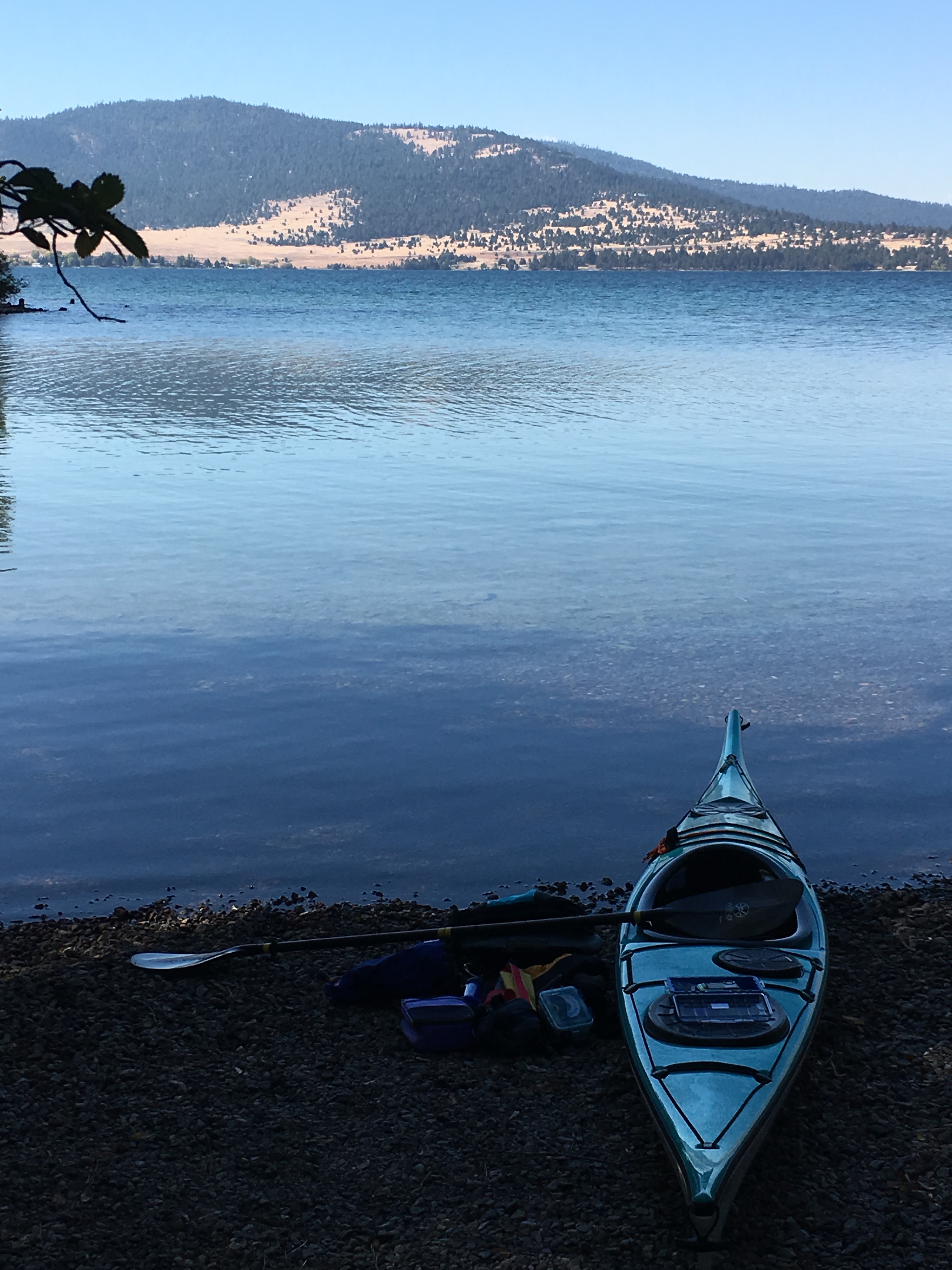
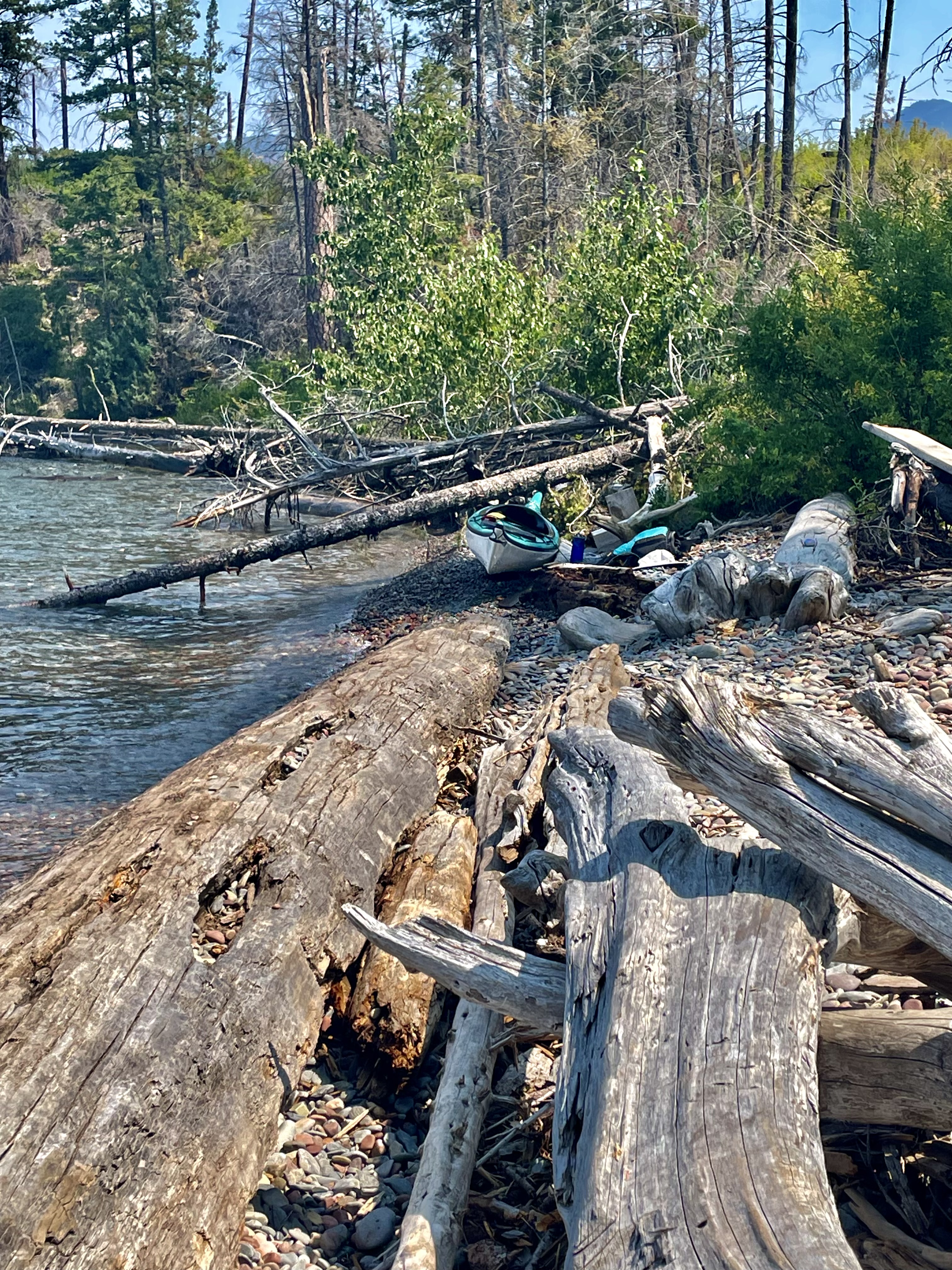
With the smoke in a blue-gray band above me, I stroked out of the marina at Finley Point, made a right turn and headed for Bird Island.  I quickly fell into that beautiful rhythm of harmonious breathing timed to the pace of my strokes. Though I have made this paddle countless times, something about the island was different. Through the haze I could see that Montana’s Fish, Wildlife and Parks had installed a solar toilet near the south end of the island, above the beach where many people come ashore. I applaud their decision to reduce waste on the fragile island. Continuing north I saw the black blocks of stone that mark the entrance to one of my favorite coves near the opposite tip of the island. Rounding this angular corner I saw a cove I hardly recognized. Instead of a little bay with an incredible view and an accommodating beach, this half circle of shelter was choked with logs that had washed down from the north, trees that had fallen since the island burned, a massive, bleached post, and lots of lumber ripped from docks, nails in the air. There was barely enough room to slide my kayak into a secure position while I walked over the debris and dove into the water from one of the blocks of stone.
Refreshed by my plunge and a little hungry, I ate a peanut butter and jelly sandwich and a couple of delicious rolls of baklava left over from a party we attended Sunday night. Since the lake was calm and with no change in the forecast, I decided to try something I had never done before—paddle from Bird Island across the width of the lake to Wild Horse Island. As often as I have paddled to Wild Horse, I had never made this eight-mile crossing. I drank half a water bottle charged with electrolytes and settled into a sustainable pace. In the thick haze it was hard to pick a target that would keep me moving in a straight line, but I aimed for a faint wedge of shade on the northeast corner of the island.

The miles seemed to fly by as I concentrated on rhythmic strokes. In mid-July the surface of the lake is usually clean; pollen has settled onto the bottom and tree roots and branches have come ashore. But this year the surface of the lake was covered with a yellow substance that I first thought was pollen, but then realized was dried algae. Throughout the crossing I made small adjustments to my course to avoid floating woody debris, branches, roots and bark. Eventually, it dawned on me that this year’s high lake level had lifted material from beaches and riverbanks across the watershed and set it in circulation. This was a different lake surface.

When I finally landed in a small indent on the east shore, I was sweaty from the effort. Not hearing the sound of boats and their engines, I stripped my clothes, left them to dry on hot stones and made a few breaststrokes out into the viridian. I thought to myself, all of us should swim naked more often and not leave this experience to children exploring water for the first time.
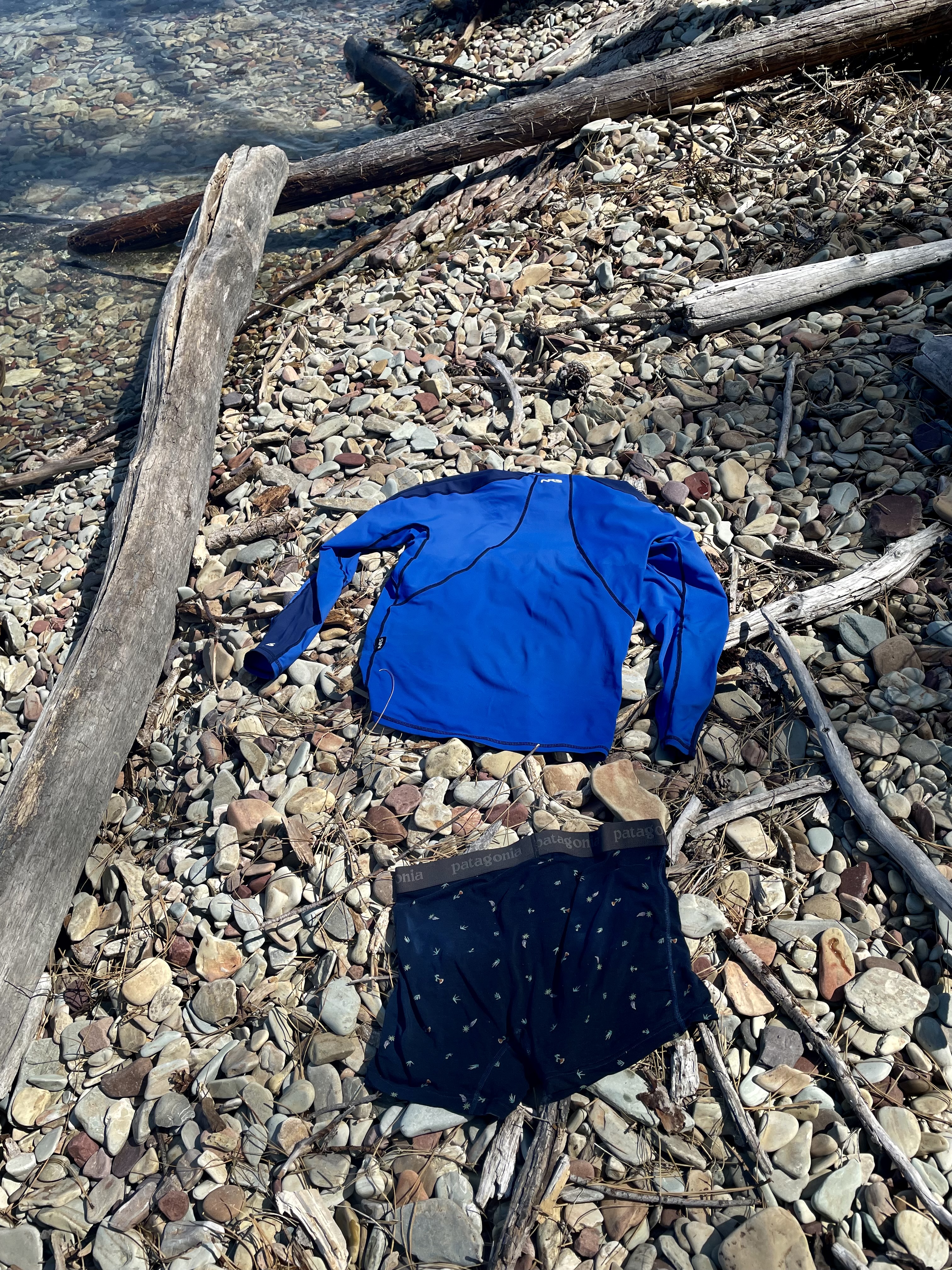
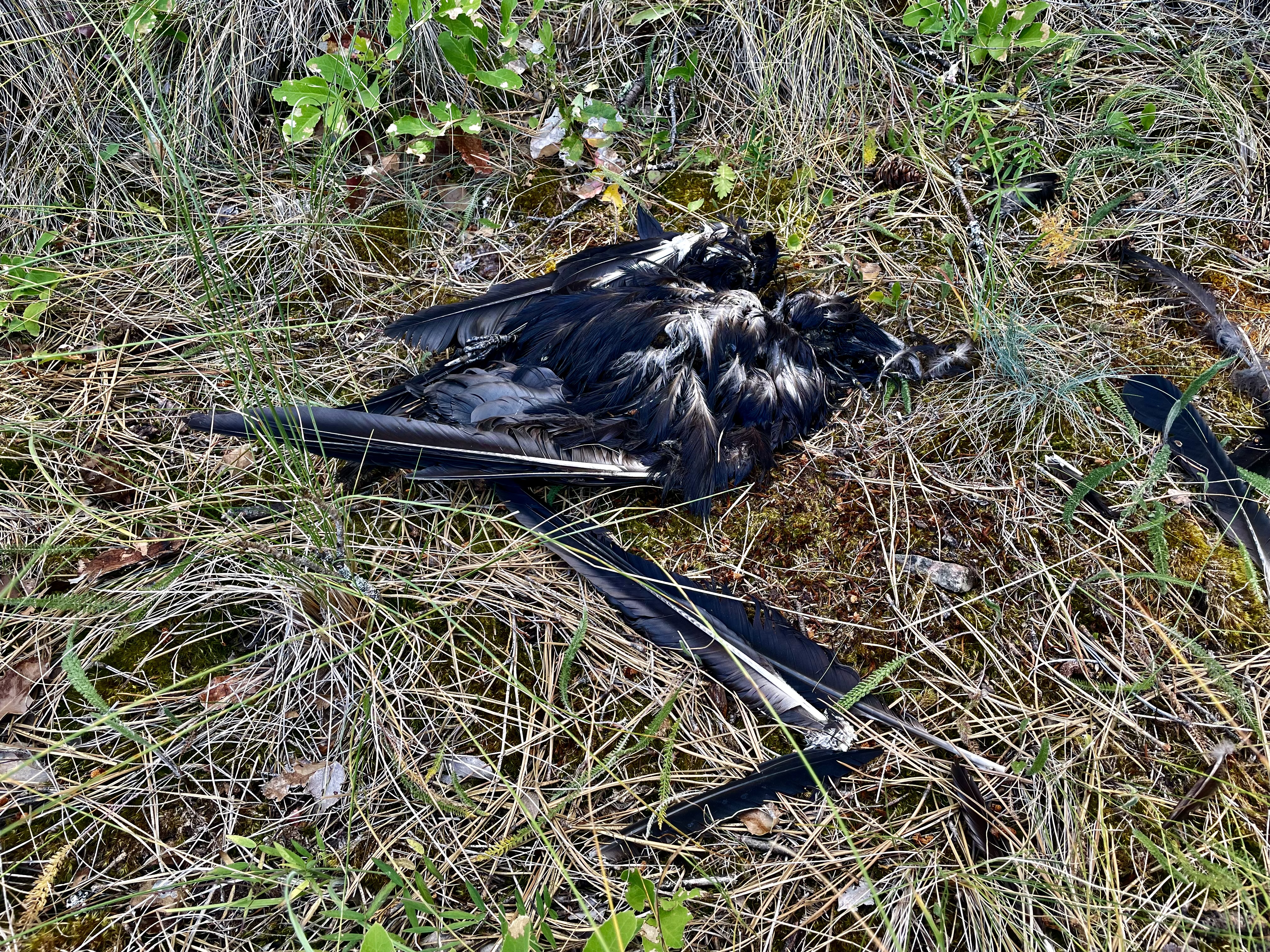
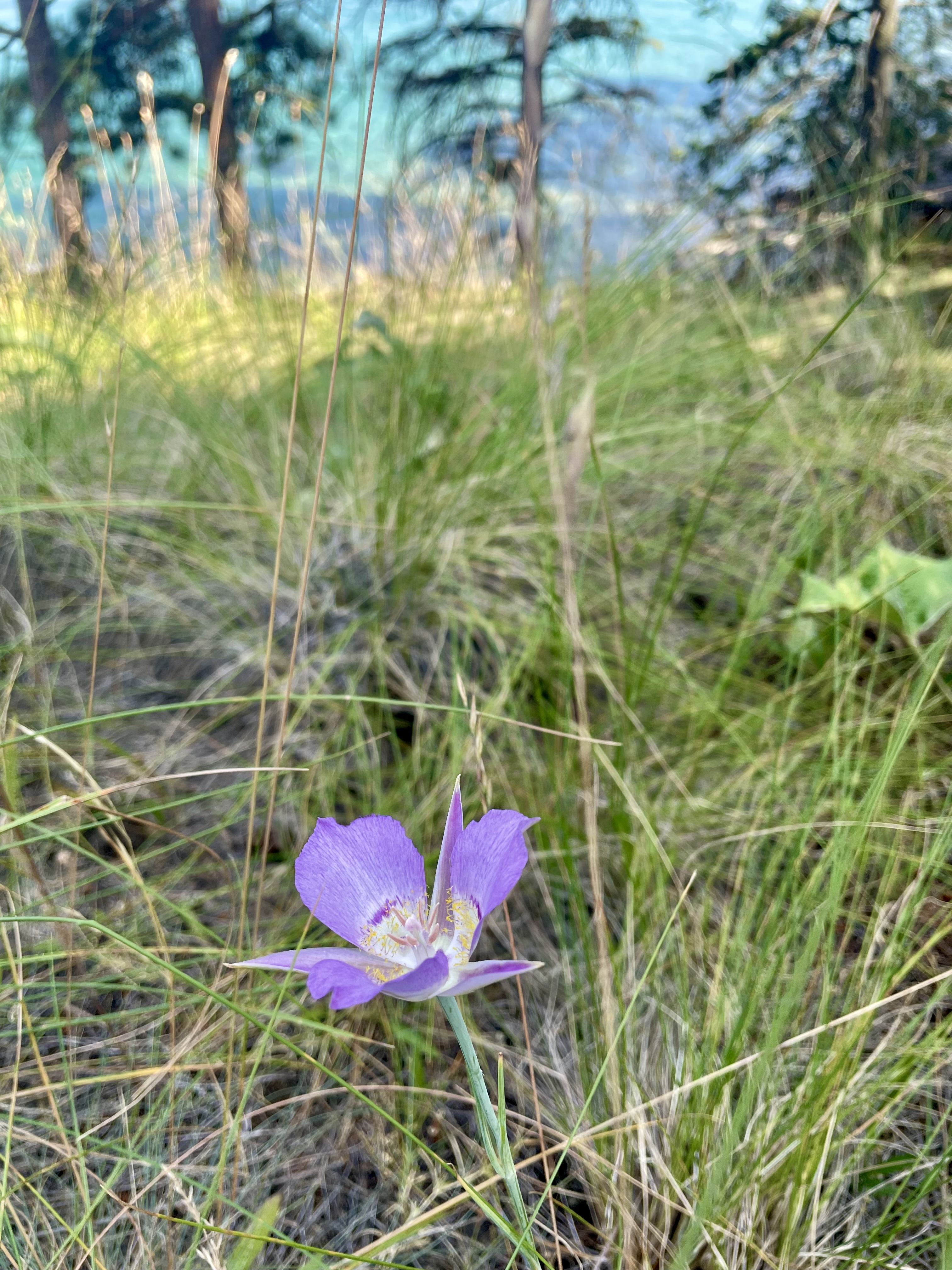
Curious about this part of the island, I dressed again and began to explore the forest above the narrow beach. I found a premier pink Mariposa lily. Having once found several white ones, I regretted having once mislabeled this plant as a sago. I also found a dead raven. Though I could not be sure–since the breast of the bird had not been consumed—I wondered if the big black bird had been knocked out of the sky by the fist of an eagle.
Back at the beach I found half of a broken stone that because of its color and dimensions reminded me of a cookie, but then found its other half in another location. I tested the fit and found it perfect. I think I have an eye for cookies. Together the stones reminded me of the ancient Jewish practice of cutting a covenant or the practice in English jurisprudence of cutting a contract. Once again, I realized that a familiar place seen with fresh eyes can be full of discoveries.

I returned to Bluebird, ate a wedge of my favorite Manchego cheese, salty crackers and the last of my baklava. In planning my return to Finley Point I decided to paddle down the east shore, cross to Matterhorn Point, then Black Point, the east side of the unnamed island in The Narrows, then cross to the last spindly cottonwood marking the mouth of the marina at Finley campground. This route would give me a brief period of shade every time I passed a point or island. In the heat of late afternoon I craved shade. I added sunscreen, filtered another bottle of water, ate a dried apricot or two, and settled into the next leg of my journey.

When I finally landed at the concrete boat ramp at the marina a woman came rushing up to me.

            “Was that you way out in the middle of the lake? We watched you come across.

            “Yes,” was all I managed to say, tired from almost 27 miles of paddling and not quite ready for human interaction after seven hours of solitude.

            Strangely eager, she asked, “Would you like some help lifting the boat out of the water?”

            Never before had I accepted such help, but conscious of many new things in a place that has become familiar, I stretched myself and said, “Sure. That would be wonderful, but we need to set the boat on the grass so I can unload my emergency gear.”

This friendly and strong woman seemed to enjoy offering this assistance and I confess to being grateful for her help. After we set the boat away from the concrete she said, “My husband and his friend will come over and help you lift your boat onto the saddles of the rack.” Not quite at ease with this change in myself, I simply said, “Great.”

I piled wet gear, emergency bag, phone in its Pelican case, and first aid supplies in the bed of the truck. Turning around I saw two guys coming toward me asking for directions. One carried my Greenland paddle that I had tossed on the grass. The other lifted the bow into the back saddle and helped me slide the boat forward into place. It was a joy to have help. This was as much a discovery as the changes to my favorite cove, the pink lily and the raven. All that was new was beginning to find a place in a life I know by heart.
Once Again

September 11, 2020

On May 4, I fell from my bicycle and broke my left arm in three places. At impact I also dislocated the radius and tore up muscles and nerves from elbow to hand. I could not paddle all summer. Like people afraid of contagion, I had to give up things I loved in order to stay safe and to heal.

On September 10, my wife and I took a little driving trip up through what we call “the Seeley Swan,” a long valley with a divide at the top where the waters flow either north or south. After settling into a motel, I drove down to the public beach and launched Bluebird into the clearest water I had seen all year, paddled to the wild west side of the lake and then north against a head wind that allowed me to apply muscles I had tried to maintain during months of recovery. The next day, September 11, after a breakfast of wild mushrooms, eggs, and Cambazola cheese, with fruit and a sourdough roll on the side, we drove down the Swan River and into the Flathead watershed, the Yang to Swan’s Yin.

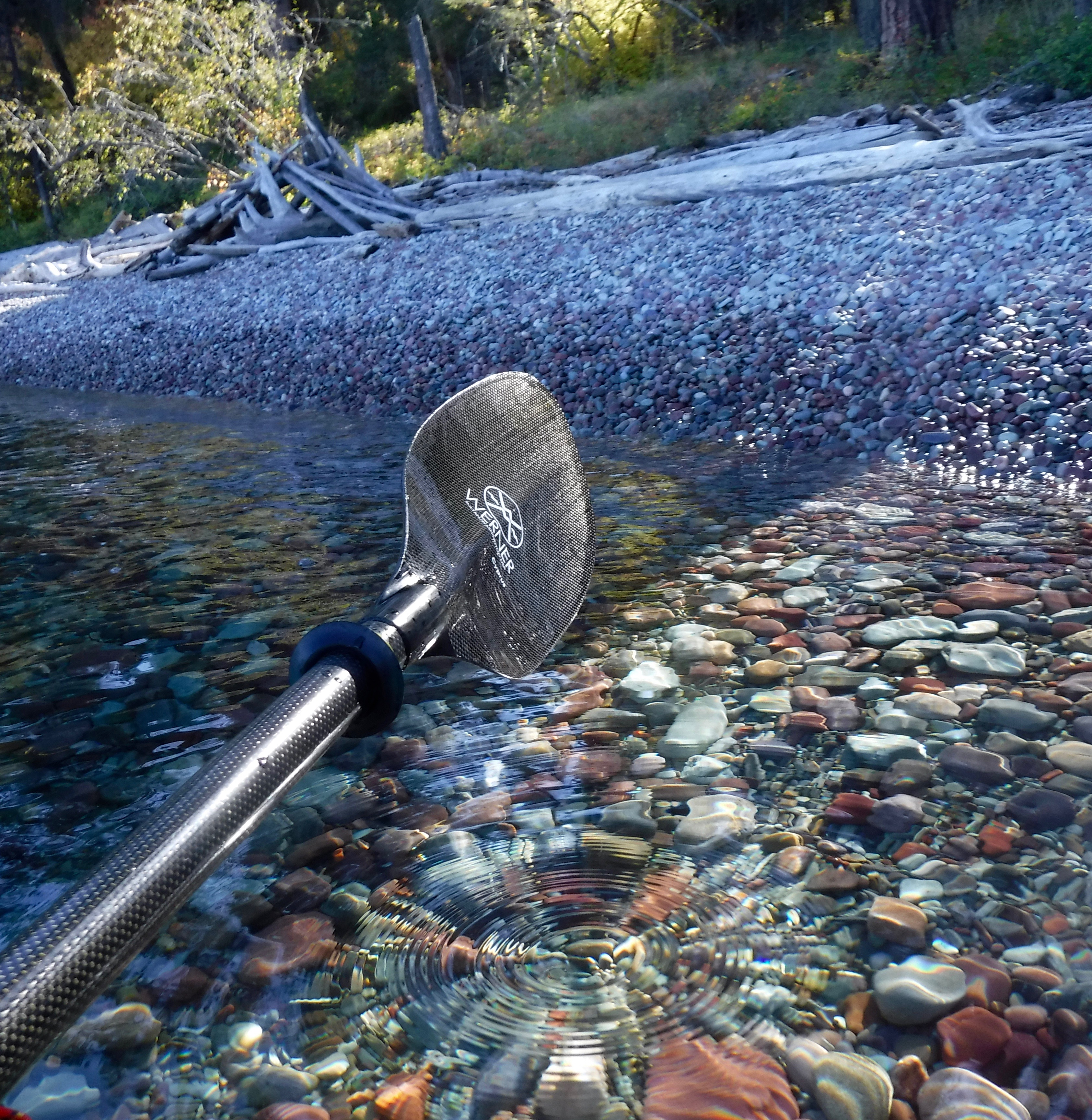
We pulled into the campground at Finley Point, marked “Full” like every other campground in Montana this summer, as people from our own state and the rest of the nation head outside. We pulled into the day-use parking lot and left one space between us and a battered truck covered with red insignia and a flaccid flag. I unloaded Bluebird and placed the fragile hull on the rough boat ramp, stowed the bag for “what ifs?” adjusted the ferrule for the right degree of feather, and stroked out of the marina and toward Bird Island.

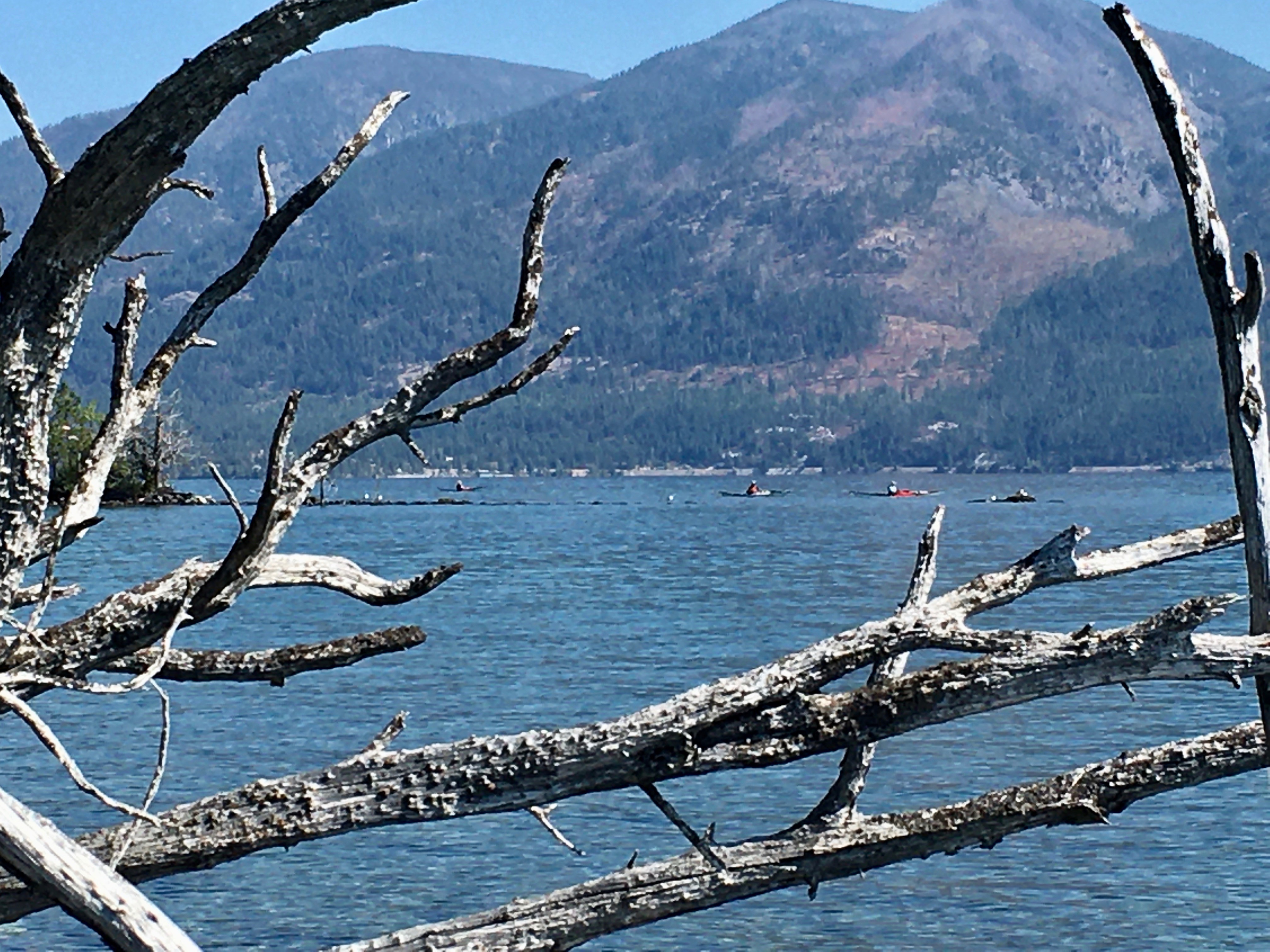
Earlier in the summer I learned that the island had burned. I first thought lightning might have caused the fire, but a friend later told me the fire was probably human-caused. During the long months when nothing in my arm seemed to be improving, I held out hope I would be able to paddle to the island before cold gripped the land. I wanted to see what fire had wrought. As I crossed Finley Bay I could see four paddlers about a mile ahead. They had launched a few minutes earlier and also wanted to see the island. I rarely see other paddlers on the lake, so this seemed like a chance to enjoy being part of a flotilla. Paddling hard, I caught up with them before they reached the tip of the peninsula and learned they were part of a paddling club out of Kalispell. We eventually split off from each other when I proposed to go counter-clockwise to their clockwise circle around the island.

When I reached the southern edge of Bird I saw the first of many signs erected by Montana’s Fish Wildlife and Parks asking people to stay off the island. Perhaps the department wanted to conduct archaeological studies in soil now exposed by the fire or protect the public from burned trees sure to fall in the next strong wind. Though I wanted to look for the first signs of recovery brought on by this massive release of nutrients, I accepted the restriction. Even without landing I could see that nearly all the undergrowth had been consumed by fire; trunks of larger trees had blackened; some trees had already fallen, root wads now in the air; only a few trees at the waterline seemed unharmed.

When the other paddlers and I next intersected, like electrons moving in opposite directions around a nucleus, we devised a plan to meet on the beach at Bare-belly, a tiny island a few hundred yards south. It was an ideal location to continue our conversations, to eat together at a respectable distance, to hear stories about paddles from the Washington coast to Sitka, Alaska. We identified the origins of our love of paddling, compared hull and paddle designs and shared where we were on the day we learned about jetliners crashing into the World Trade Towers. Gratitude for our lives and our connection to this clean, vast lake permeated every story.

Having left my partner on the beach at the campground, I felt internal pressure to resume my paddle, so I lifted Bluebird off the beach and stroked back to join Joyce for a picnic. She had spread out our red-check tablecloth and the remnants of snacks packed for our drive. As we ate, a tall, handsome man approached and asked where I had paddled and where we were from. Sensing his desire to learn, I answered his questions and then began to listen to his story:

We sold everything we owned, bought a truck and an RV and drove up from California. We are so glad to be out of there. My wife is a professional photographer. She talked to the state and offered to trade photos and drone video of the park in exchange for a reduced rate on our campsite. We’ll stay in Montana through September then head south just ahead of the cold until we get to Tennessee. We’re looking for a red state and a good deal on some land where we can park the RV.

 I resisted the impulse to tell him that even Democrats can be patriotic and we always take our lives with us. It was better to listen and to learn.

 As much as anyone, I know the joys of paddling through variations on blue and green, the peace of the running wave and flowing air, the exhilaration of driving a prow into wind and waves. I wanted to recover from my injury so I could experience these things once again. As much as I enjoy paddling a sea-kayak, I will remember this day for its people, for the stories we want to tell, for the way we humans long to explore what we have not yet seen and do not yet understand, for the way we want to congregate with people who seem to belong to our tribe or separate from people who are different and frightening. Like Bird Island after the fire, it will take a long time for the seeds of a new way to germinate and for us all to recover from things we have wrought.

Deeper Currents

Deeper Currents

As everyone in the Northwest knows, the summer of 2017 was difficult. From the first week of July through the first week of September our forests were on fire and more smoke than we had ever experienced piled up behind a ridge of high pressure. Smoke poured into our valleys, filled our lungs, left ash on every surface, and embers in our yards. For many this was also a summer of anxiety and hasty preparations for evacuation. Some of us returned home to the smell of wet charcoal, black fields of devastation, and worse. In response to the casual question, “How are you?” people often answered “Depressed.”

As a paddler I occasionally inserted a trip on Flathead Lake between the darkest days of smoke, encountered locked gates at state parks, and waited like everyone else for the air to clear and costs to mount.

On September 29, I finally found a bright and fresh day for a solo paddle out to Wild Horse Island and a clockwise trip around its perimeter. It felt healing to exercise in pure air, to be reminded that our world is indeed beautiful after weeks of finding it fouled, polluted and threatened. Late afternoon light backlit every snowberry, spider web, needle and turning leaf in the draw above Osprey Cove. A shift in the wind gave me five fast miles at the end of the day.

During this paddle I thought I might feel elevated by the knowledge that our world we love had finally been returned to us. But after this summer I felt more reflective than jubilant. All the evidence suggests that what happened this summer will happen again.

I have always been skeptical of the human inclination to use nature for our own purposes, reducing it to one more resource that we exploit for our own pleasure. I know, it is good to wash one’s mind in the bath of green and blue water. It is good to test one’s inner strength in the face of variable winds and distance. It restores balance to play on the waves. But time in a kayak, especially by oneself, gives a paddler occasion to ask, “What is all this for? What larger purpose does it serve?”

In my post of May 7, 2017, I proposed that we have a responsibility to attend to and behold the things we encounter. But on this Friday in September the currents took me deeper. After this summer it seems we have an inescapable responsibility to address the forces that are making our world increasingly uninhabitable. It is no accident that our forests are burning and coastal cities are awash in water that overwhelms the land and its inhabitants. We are doing this to ourselves and we must undo what we have done. Or, to shift the metaphor, we must change course because the one we are on leads to ruin, especially for the most vulnerable among us.

It is not for me to say what others should do. We must see this for ourselves. But I am clear that I have a responsibility to understand the impacts of what we are doing to the planet and take action in word and deed to promote choices that lead toward better ways of being in the world. A paddle in bright light makes this clear. It is time to do more than sigh with relief or toss up our hands. We have work to do, changes to make, a course to correct, while there is time.