
May, 29, 2025
I went to the lake thinking I would write about one thing—a way of understanding the kayak’s motion in relation to the paddler—but now feel called to write something different.
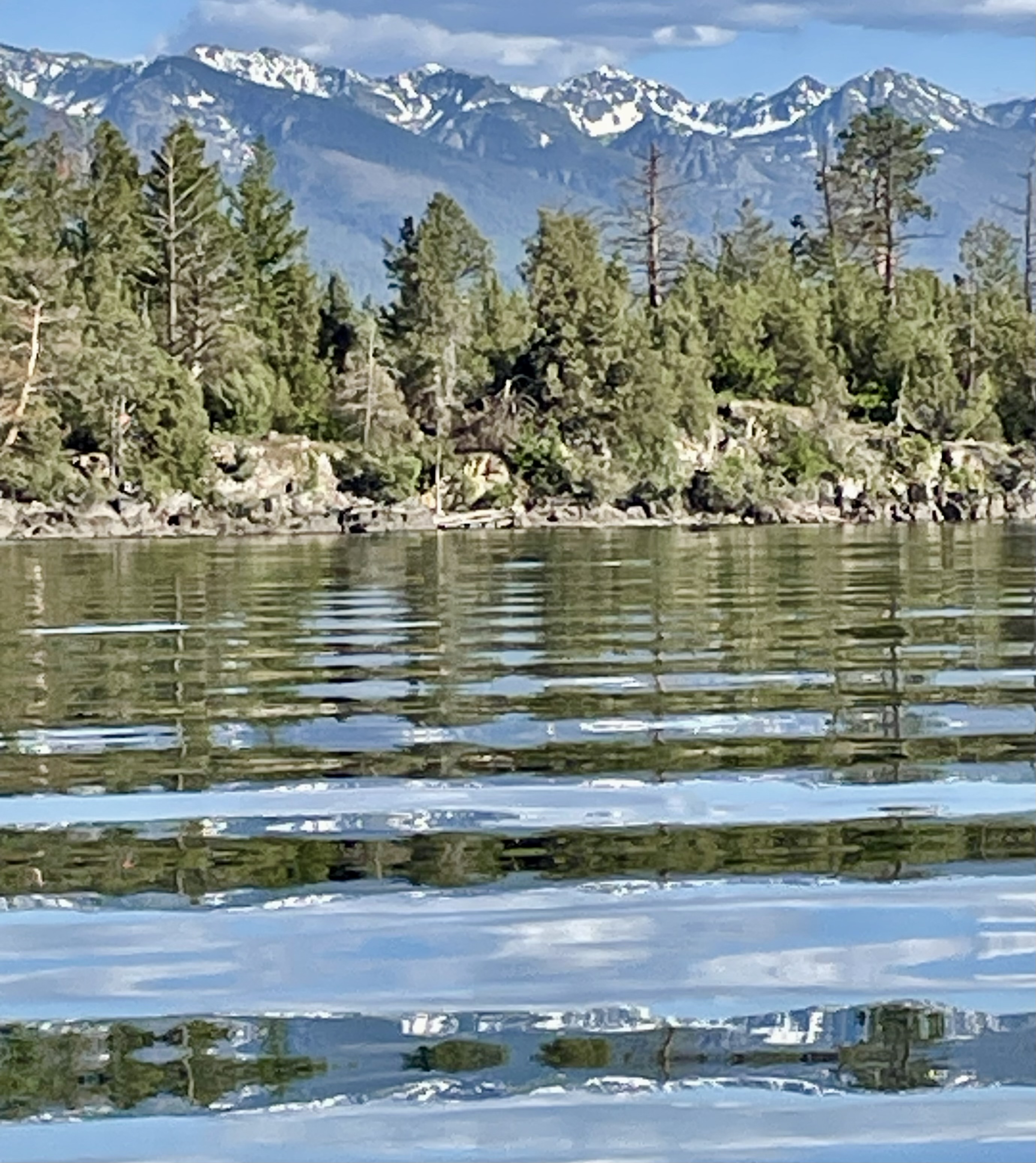
An overnight stay in Polson allowed me to paddle twice in succession, first an evening paddle in The Narrows in the calmest of conditions, then an early morning paddle from Finley Point to Bird Island and back. During both paddles I felt the shell of self-protective boundaries dissolve until I became I felt permeable to patterns of light, depths of blue and green, dabs and dashes of color in the shadows,
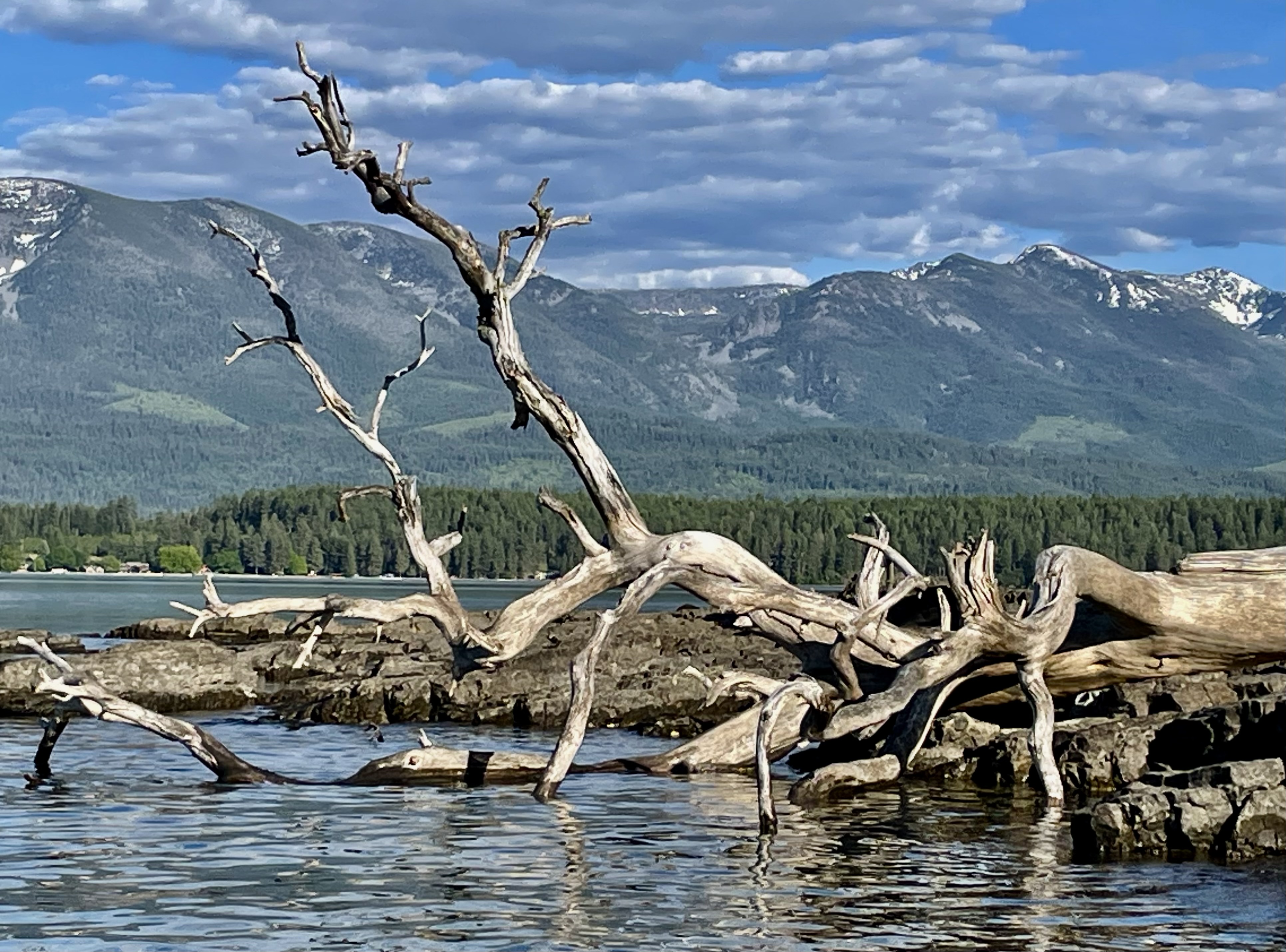
how the back of a swell became a convex mirror displaying the length of the Mission Range.
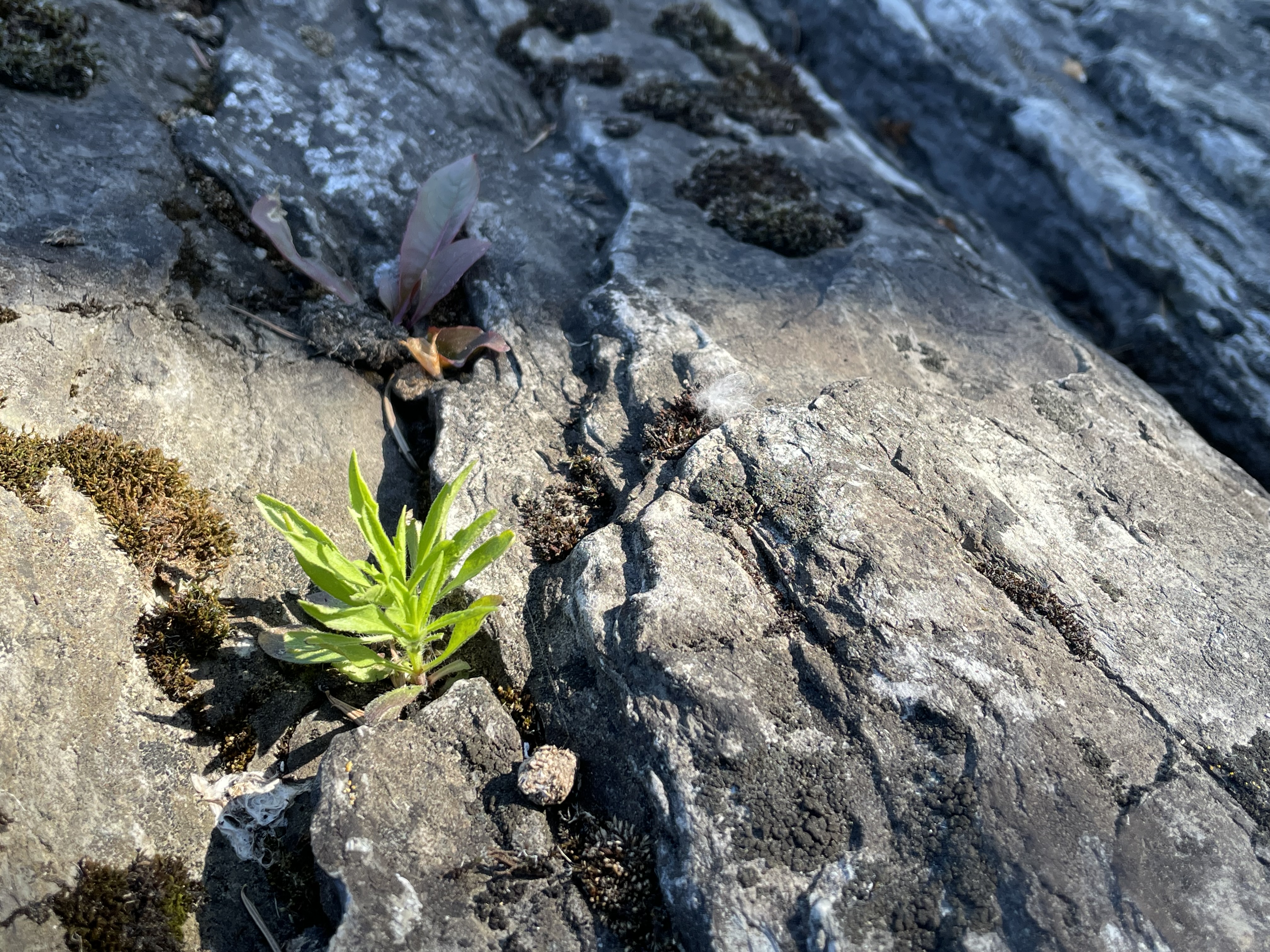
The next morning, launching from the state campground, I felt porous to the wonders of late spring before heat forced almost everything to become crepuscular. Here a pair of ospreys, there a pair of bald eagles. Here a plant growing, it seemed, out of stone,
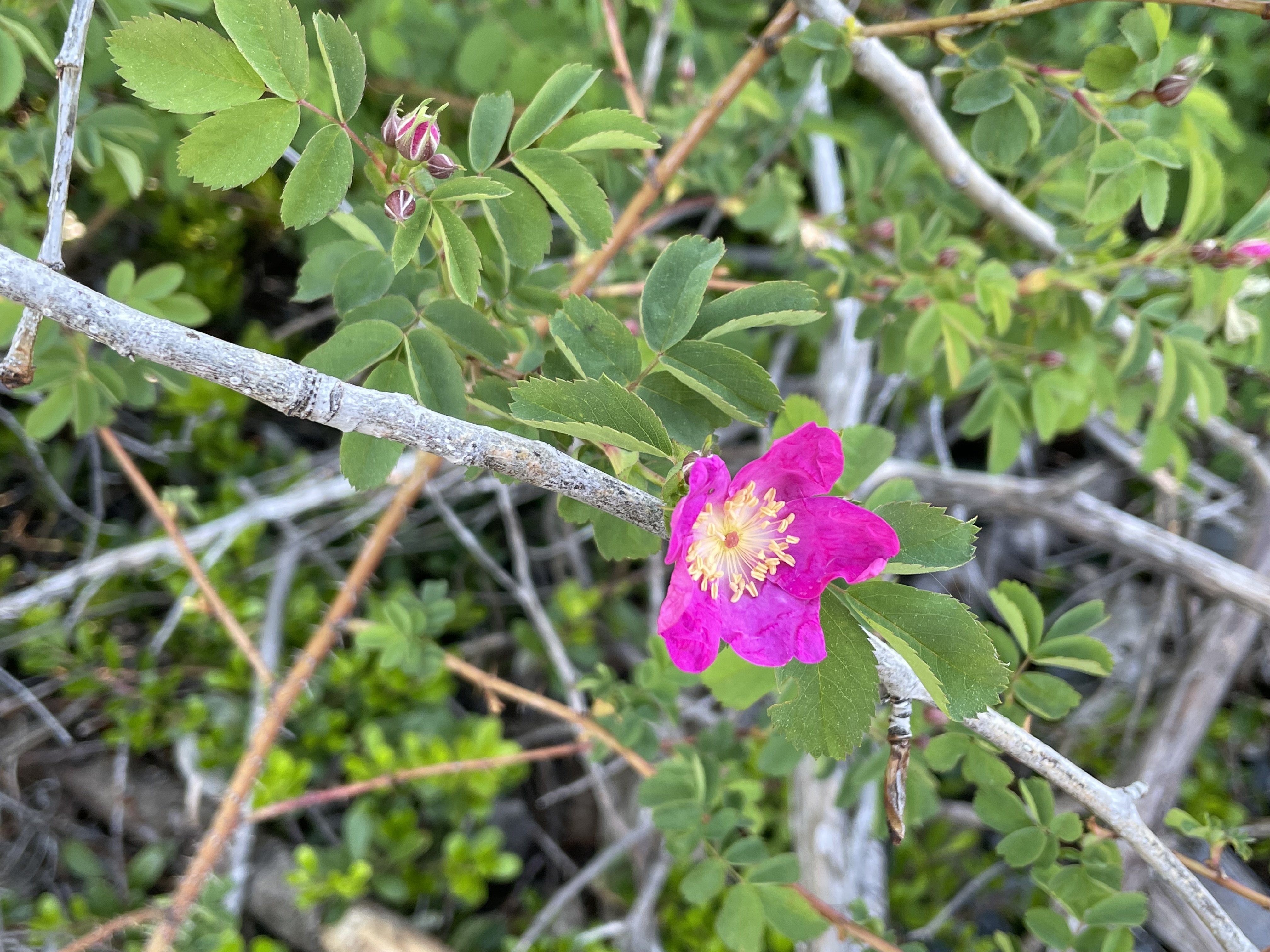
then in the sudden release of nutrients after fire—pink fireweed, honeysuckle, mock orange, ninebark, Rocky Mountain maple, and Wood’s rose. Here young geese growing into the weight of their formidable strength, then a squadron of swallows snipping gnats all around my gliding boat. Even my own breathing—out with a stroke on the left, in with a stroke on the right, seemed to coincide with the energy of gentle waves.
Wondrously, this radical openness to the flourishing of Life extended to the human realm. As I made a turn into the Finley marina, I could feel the sense of anticipation in a group of people who seemed to be preparing for a weekend wedding on the point. I felt the development of a deep bond between a muscular father pumping up an inflatable paddle board by hand and his son who watched his father’s every move. Then, as I began to load gear into the car, a woman approached me. She skillfully balanced offering information about her life on the edge of the Chiricahua Wilderness in Arizona with questions about the water temperature of Flathead Lake, how to pronounce Sel’ǐs Kasanka Qlispe’, and places to camp near shore. I knew more about places to camp than the pronunciation of Salish, though I did my best version of a glottal stop.
In Confessions of a Guilty Bystander Thomas Merton describes an astonishing experience on the corner of Fourth and Walnut in Louisville, Kentucky when he suddenly sensed the holiness of all the people around him and the breakdown of separateness between one life and another. These experiences are given to us rarely, but this different way of seeing into the secret beauties of other hearts can happen in the most congested of urban environments as well as on a lake surrounded by mountains. As William James knew so well, there are varieties of religious experience and boundaries can melt away almost anywhere if we are sufficiently open.
I went to the lake thinking I would write about a relatively technical matter in paddling a sea kayak, but having paid attention to everything my senses could apprehend, I think this is the wonder the lake wanted me to describe.
 ospreypaddler