Peach and rose-colored leaves lie at the base of the euonymus like a fallen skirt. Now I can see the chickadees who flock there early in the morning. Though this week is unusually warm, by the weekend the weather will be what we expect in mid-November. I turn inward, begin to reflect, retrieve a feeling, a memory, and awaken to a goal in the distance.
When I read from Into This Radiance at the library in Polson, Montana, conversation with people turned toward what it feels like to slide a kayak into the water and begin to bring the boat up to hull speed. The conversation reminded me of Denise Levertov’s poem “Avowal.” From a friend I had learned who might be drawn to the reading. Anticipating that this poem might speak to this audience, I had typed the poem into my outline for the evening and read it to everyone:
As swimmers dare
to lie face to the sky
and water bears them,
as hawks rest upon air
and air sustains them,
so would I learn to attain
freefall and float
into Creator Spirit’s deep embrace,
knowing no effort earns
that all-surrounding grace.
(from Oblique Prayers)
People in the audience described their experience of paddling a kayak in these terms, trusting the lake to bear and sustain them, the all-surrounding grace of buoyancy and wonder. When I read Levertov’s poem to the group, head nods and sighs told me they understood. This shared sensation is one of the reasons I keep returning to the lake.
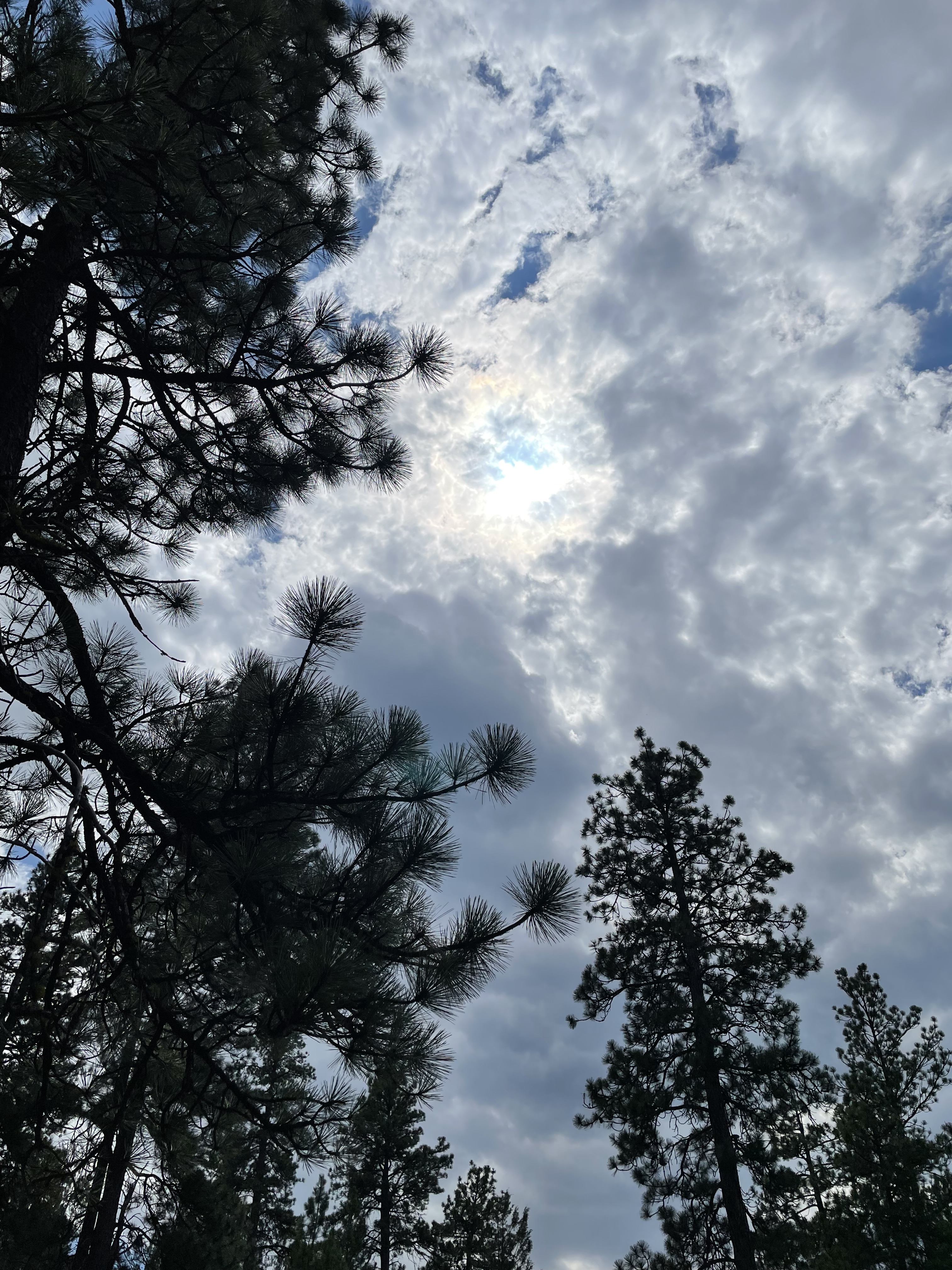
But then there is a memory. This past summer, on two different occasions, I was on the east-facing shore of two islands as weather approached from the southwest. Once on Wild Horse and once on Bird Island, I looked almost straight up and sensed the changes, but because I could not see the whole sky––my vision blocked by trees and the terrain of the islands––I felt alarm. I could see clouds amassing and flowing overhead, but I could not see if they were part of a larger system that might make the paddle home more menacing. Both times I suspended my explorations and resumed paddling so I could see around the islands. Fortunately, the weather systems did not become dangerous, and I returned without incident to my starting points. In November of 2025 it is as if we are on one of these islands, can look straight up but cannot read the whole sky. We see the edges of change and potential danger but have no way of knowing how they will develop, if they will pass benignly overhead or become life-threatening to more of us. On the islands I felt anxious when I sensed what was coming but had no way to evaluate it. If in the kayak, so as a citizen.
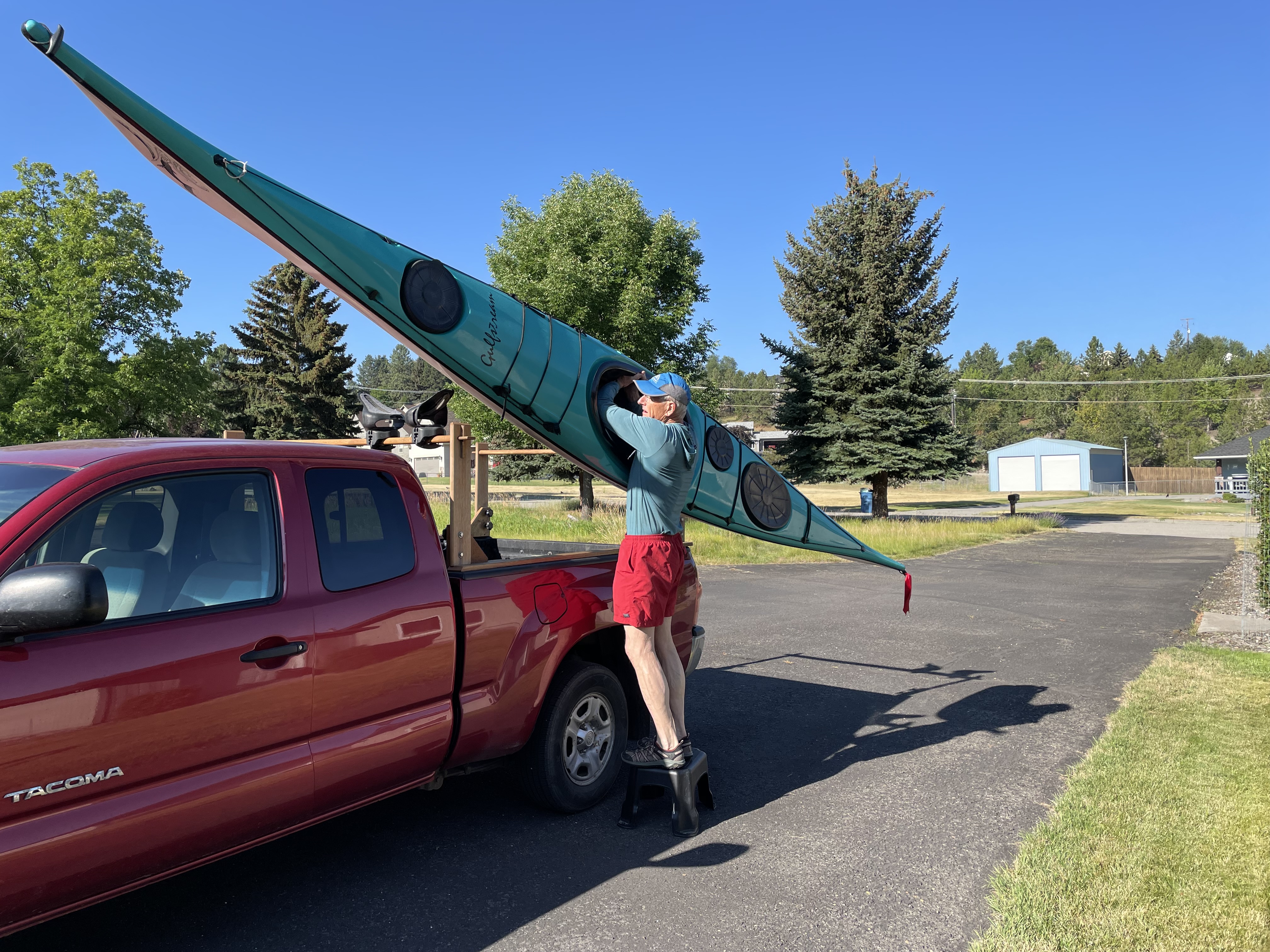
And finally, sorting memories before winter, I have a goal. Next spring I will be seventy-six. It is not getting easier to load my boat on its wooden rack, unload it without bumping the stern on asphalt, or pull knees to chest before sliding my legs into the tunnel of the kayak. Yet, I aspire to move smoothly, to apply strength at the fulcrum when it is called for and ease up at just the right moment. I aim to keep my balance and not move abruptly. As in the kayak, so as a citizen.
Almost every morning I put my hands in a yogurt container full of black oil seed, carry the seeds out the front door and cast a black arc to hungry birds. The way it feels in those first moments on the water, a memory of having only a partial view of the world, and a goal to move through it gracefully will sustain me until late April or early May.
In the forecast I saw what looked like two good days of promising weather for a paddle from the Walstad Fishing Access site to Cedar Island, about four miles north of Wild Horse Island. I gathered the necessary gear for camping overnight on the island, remembering numerous occasions when I made this trip alone or with friends. One more time I wanted to experience this island in the middle of the lake, gaze at the star river overhead, enjoy the gentle decline of sunset and the drama of sunrise.
When I arrived at Walstad I avoided the traffic of boats being launched or returning to the ramp by ducking through the trees and putting my boat on the ground in front of the shallow pool of water west of the parking lot. As I unloaded gear from the truck and thought about its careful placement in the boat, two mothers with young children waded in the shallows. One little girl crossed an invisible boundary and dared to squirt her mother’s friend with a powerful squirt gun. This set up a splashing contest and led to all the noise of water-play.
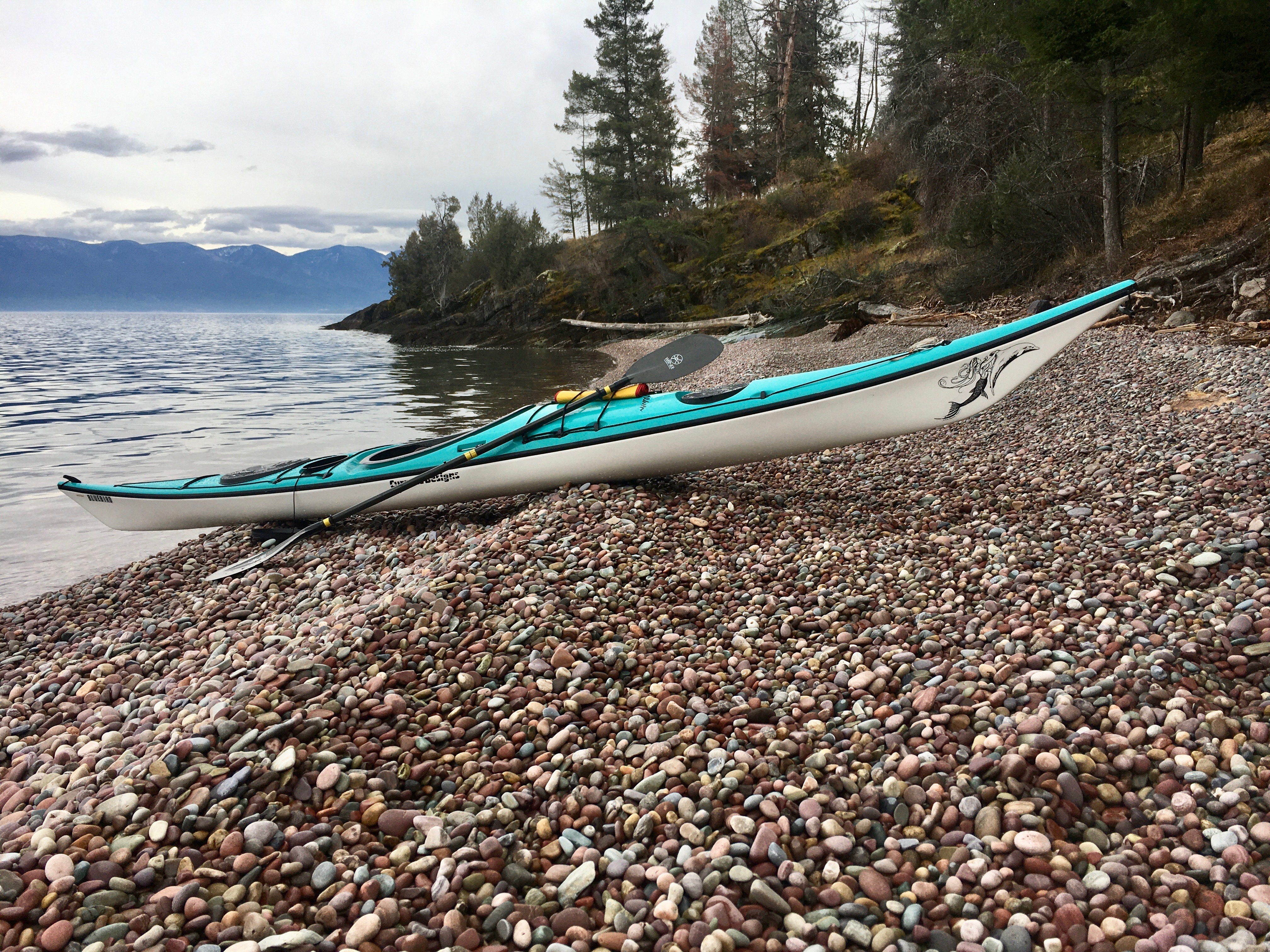
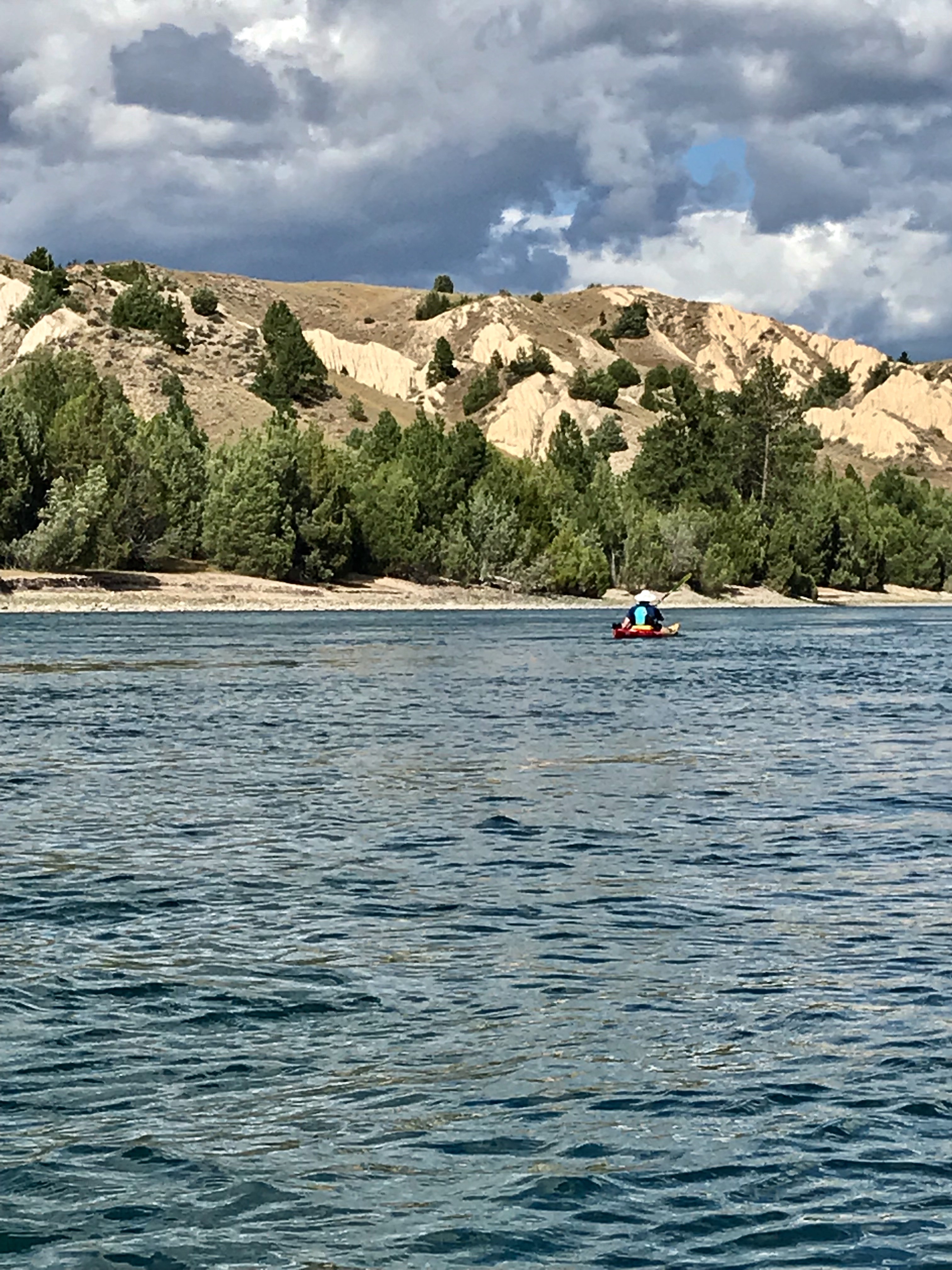
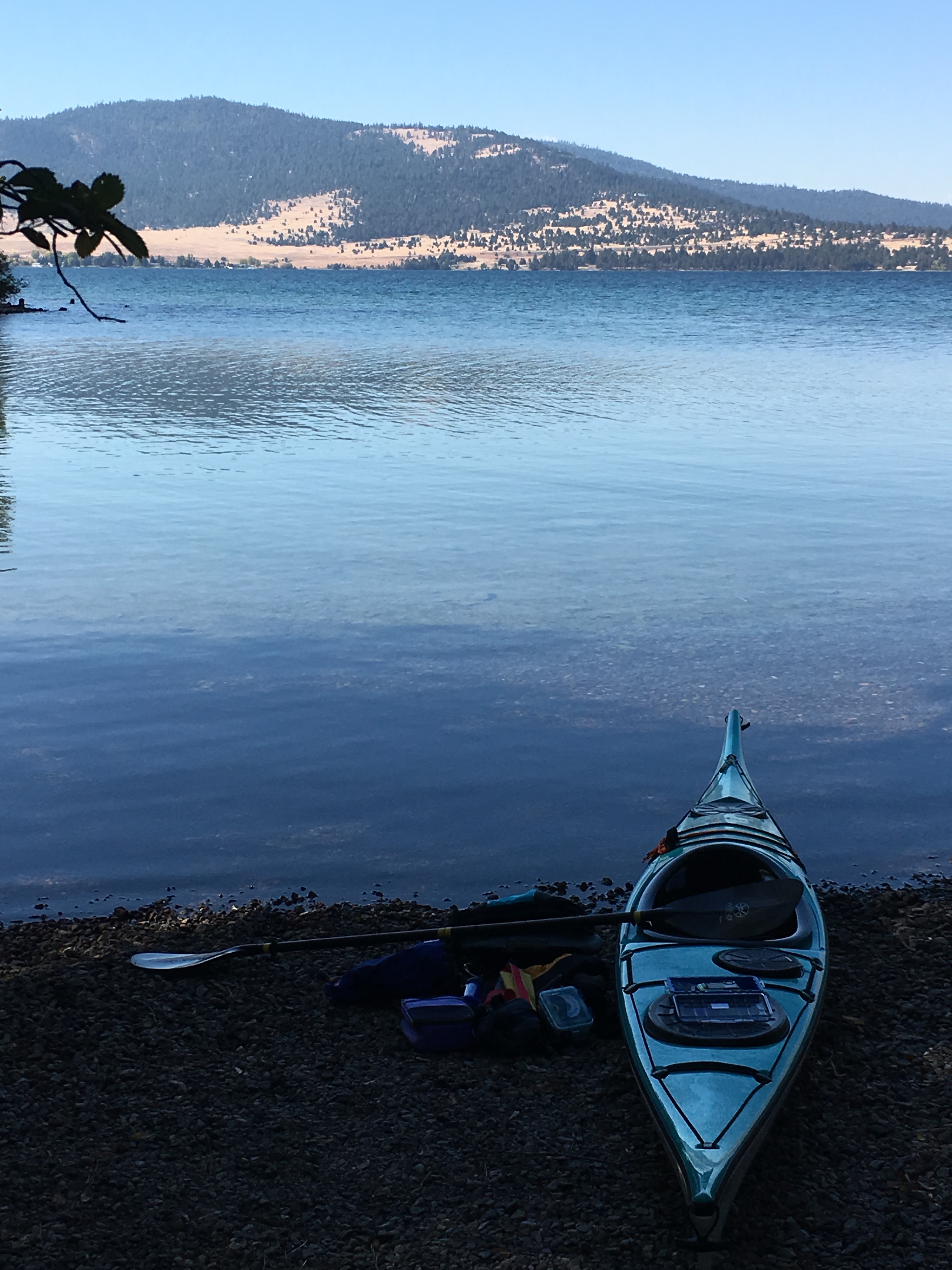
Once the boat was loaded, I left a note on the dash saying “Out to Cedar Island” for anyone who might wonder why my old Tacoma sat parked in the lot overnight. I then slid Bluebird into the shallows and gave mothers and children a wide berth in case I, too, might become a target for a long shot of water. As soon as I made the turn into the main body of the lake, I felt the resistance of a headwind. Calm and determined, I paddled on.
Paddling a boat full of camping gear feels very different than paddling an empty boat that bobs and swings. Unschooled in physics, I simply trusted the power of momentum. In good time I arrived at the point that helps define the entrance to Skeeko Bay. But here, I made a good decision based on years of experience. After studying the waves and wind I decided to cross over to the west shore of the lake, preferring to face the direct opposition of this energy rather than face it obliquely. I knew I could use landforms to blunt the effect of the wind and eventually cross over to the island once I reached the entrance to Canal Bay.
This plan worked well. I passed to the north of Shelter Island, crossed the beautiful gap between islands then coasted down the east side of Cedar to the little pocket where I have always camped. In late August of 2025 this area of the island had accumulated massive amounts of wind-driven debris, feathers from birds, grass torn from riverbeds, huge logs, pieces of broken docks, and bits of garbage. I found a little slot where I could pull Bluebird well above waves flowing down from the north.
Before setting up camp I took some time to think about the tall red crane erected on the point slightly south of Painted Rocks on the mainland. Red steel high in the air catches one’s attention. There is no point in lamenting what people choose to do with their own property, especially in Montana, but I could not help thinking about how this site is sacred to Native peoples, the stories they tell about Painted Rocks, the centuries of vision quests in this area, how this red tower and the massive concrete structure emerging beneath it must seem like a huge middle finger in the air.
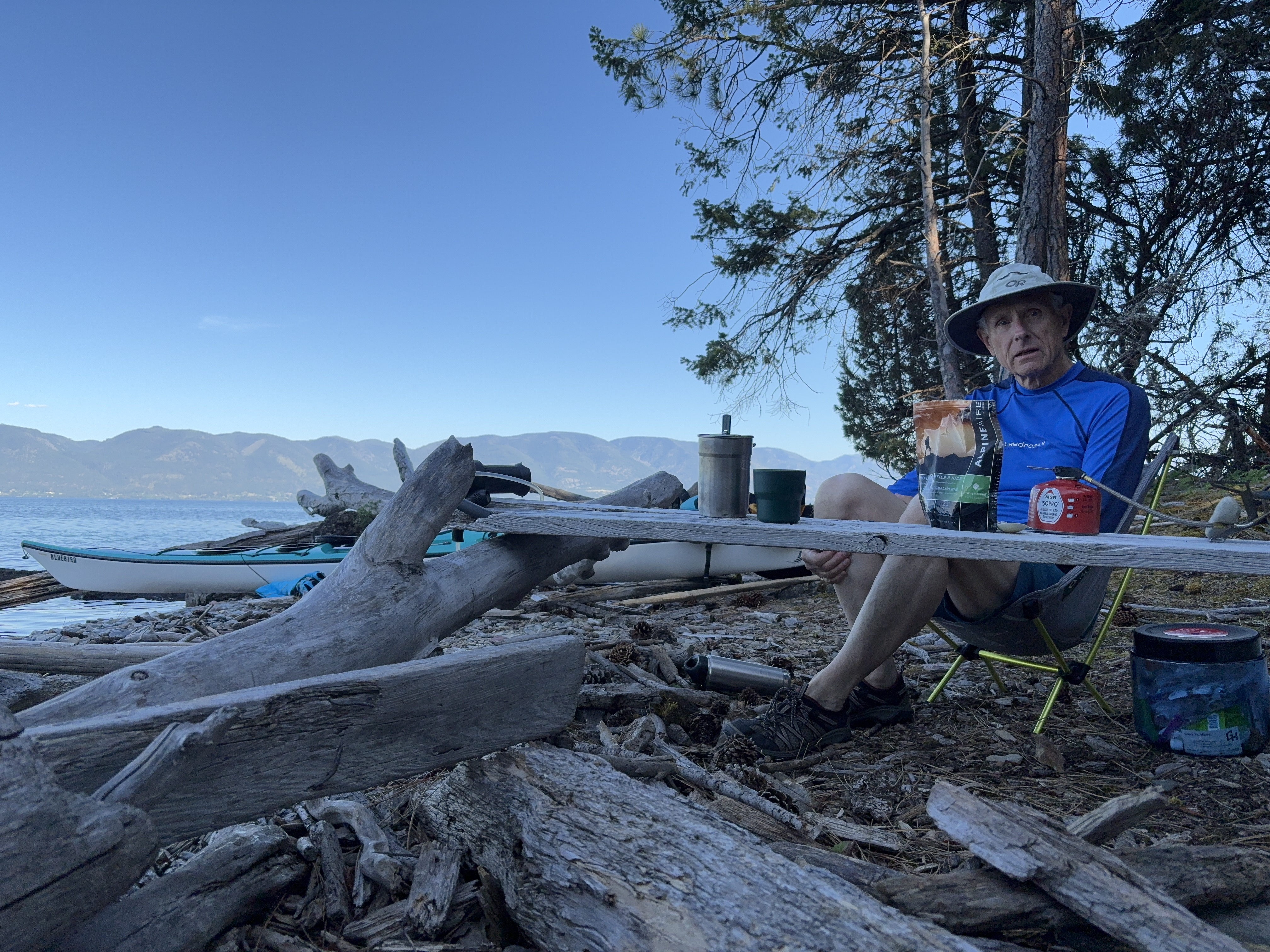
Eventually, I swallowed this sorrow and set up camp on the ledge about fifty yards above the beach. Next, I returned to the beach and used two big sawn blocks of wood and a long plank to make a level, informal table, a perfect place to set up my stove, cook dinner and watch water and sky.
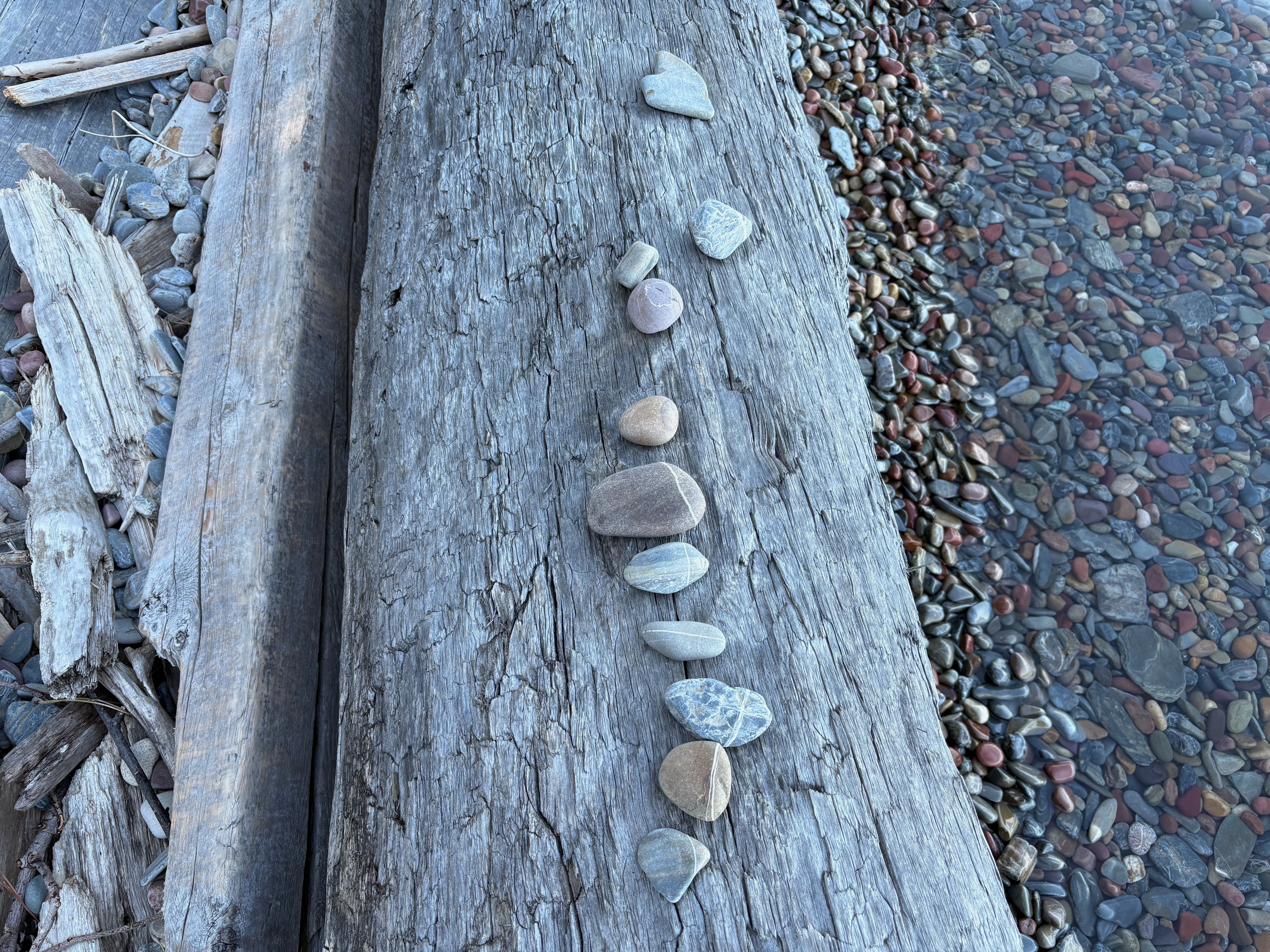
During the remainder of the afternoon, I wandered all over the island, re-familiarizing myself with the location of things I remembered—trails old and new, a memorial to a man who died at 55, the tattooed bungalow (an unholy Lascaux), and the location of the new tent sites created by Montana Fish Wildlife and Parks. In the process I found an artistic arrangements of stones with a common theme
and discarded cannabis paraphernalia, an accelerant to the island’s high. Then after dinner of freeze-dried lentils and dehydrated apples from a friend’s orchard, I found my way through dead fir trees and fallen mistletoe to the point on the southern tip of the island where one has a view of everything to the south, from Finley Point, up to the Mission Mountains, to the north shore of Wild Horse Island. As I stepped onto this limestone platform, I also noticed a milling flock of ring-billed gulls below me. When they eventually saw the disturbing silhouette of a human profile against the sky they took off. The setting sun turned the backs of their wings a golden hue before they disappeared. This is an image I must hold in my memory, my iPhone camera left behind in camp.
I returned to my tent, settled into my own nest and went to sleep. But during the night I woke numerous times to the sound of wind and waves slapping, then thundering against the rocks that form the pocket where I left my boat. I kept trying to evaluate the sounds, the meaning of the occasional boom when a bigger wave hit the shore’s stony armor. I got up twice, my path illumined by a headlamp, and pulled Bluebird even higher up the beach, eventually tying it to a small tree. I could not afford to lose my means of return. At first light I went down to the beach and sat in my folding chair to study the conditions. Waves continued to break against the north facing beach, swirled around barely hidden blocks of stone, and sent white splashes into the air. I could not time my photos to capture the actual chaos of the conditions. What should I do?
I had launched from the beach in these conditions on one other occasion when I made the trip with my friend Jeff Stickney. On that day we had each other if one of us got into trouble. Alone, with no one else on the island and no one coming to the island on such a rough day, I could not afford a spill in the waves or to have my boat broken against blocks of stone. Gathering information before making a decision, I took my water bottles and pump to the opposite side of the island where I could safely stand in the shallows, refill the empty bottles, and assess my options. Standing in the lee of calm water and looking at the waves between Cedar and Wild Horse Islands, I decided to carry my boat and all my gear over the island’s crest and down to the east side. In four stages I carried everything over the same ledges, through the same trees, down the dusty trail, turning right at the dead pine tree, and down to the opposite beach I marked by tying a strand of tow rope to a tree branch.
Eventually everything was stowed in a proper position, and I dropped into my seat. On the one hand it was a tremendous relief to have launched safely and to feel the push of a tailwind. On the other hand, I was quickly gripped by inexorable forces. I knew it was not safe to let these forces come at me from the right, crossing the way I had come. So, I made the barely better decision to let this energy push me south toward the southeast tip of Wild Horse Island. I had not reckoned, however, with what I call the wrap-around effect of even bigger waves coming from my left out of the main body of the lake. Waves from behind corkscrewed the boat. Waves from the left lifted and plunged the vessel of return.
I do not want to exaggerate the danger of these conditions. It is enough to say that a spill in the middle of this channel with almost no chance of rescue probably would have been fatal. I used nineteen years of experience to brace, accelerate and, crucially, to conserve energy, depending on each wave and the overall pattern of them, to make a long arc toward and then down the east side of the bigger island until I could rest a moment in the temporary lee at the end. From there I knew I could return to Walstad in smaller waves due to the protection of both Wild Horse and Melita. On a gravel bar opposite from the Boy Scout camp I hauled out, waded up to my knees and washed my face in the waters of relief.
Again, I pulled into the shallow pool and reversed the process of unloading gear from the boat. Stepping out into the parking lot, I was hailed by a young man in a big Ram pickup. He quickly began to tell me his story. “When life gets hard, I come out here from Wisconsin,” he said. He then filled in a few details, telling me about his experiences in Kalispell, Lakeside and Butte which he called “a fun town.” I wondered about what he meant by “fun.” He chatted on about breakfast that morning at a café in Lakeside that offered more breakfast than he could eat. At one point he held out a paper carton from the café. “Feel this,” he said, as he asked me to hold the weight of his huckleberry pound cake which certainly weighed more than a pound. He would have calories for the foreseeable future. After telling me about his new origami kayak back in Wisconsin, he offered help loading my boat. By my slow movements he could tell I was in no position to refuse. After casting lures from the dock a few times, he returned to his truck as I completed final preparations for the trip home. He gave me a fist bump, a strong handshake, and a lovely Irish name before we both pulled out of the lot and on to the highway.
Deprived now of precise information from NOAA about wind speed and direction, as well as wave height, I may never make this trip again, at least not by myself. On this occasion I brought the full strength of experience and knowledge of the lake to bear on the situation. I celebrate having made all the right decisions at exactly the right moment, but I do not wish to repeat this experience. There are other reasons to stay alive. It is time now to rest.
On Thursday I returned to a portion of the lake I haven’t seen in a while—the west shore between Goose Bay and Cedar Island. I wanted to refresh memories of certain features of the landscape, one beach in particular where I rested during the long paddle between Sommers and Big Arm. I also needed a break from news of the rise in Covid infections, the recently released U.N. report on climate, and the situation in Afghanistan where desperate people are being blocked from entering the airport for evacuation flights, clung with their hands to landing carriages, or huddle now in their homes in fear of a knock on the door. For me Afghanistan is not an abstraction. I vividly remember a conversation with a female Afghan college student after a lecture on poetry in the classroom. She spoke to me about a poem that was honest about death. I am haunted by a phone call I received from another former student. He had been an interpreter for U.S. officers during the war. He called from a place he did not name, desperate for money because he was probably trying to get his parents out of the country. I feel my way into their situation.
Needing a break from these stories and memories I slipped into the water at the Westshore State Park and headed south against a modest head wind, hoping that I would have the benefit of wind from the south on the return paddle. This was the first cool day after the hottest July on record and an August that has left a film of ash on every horizontal surface.
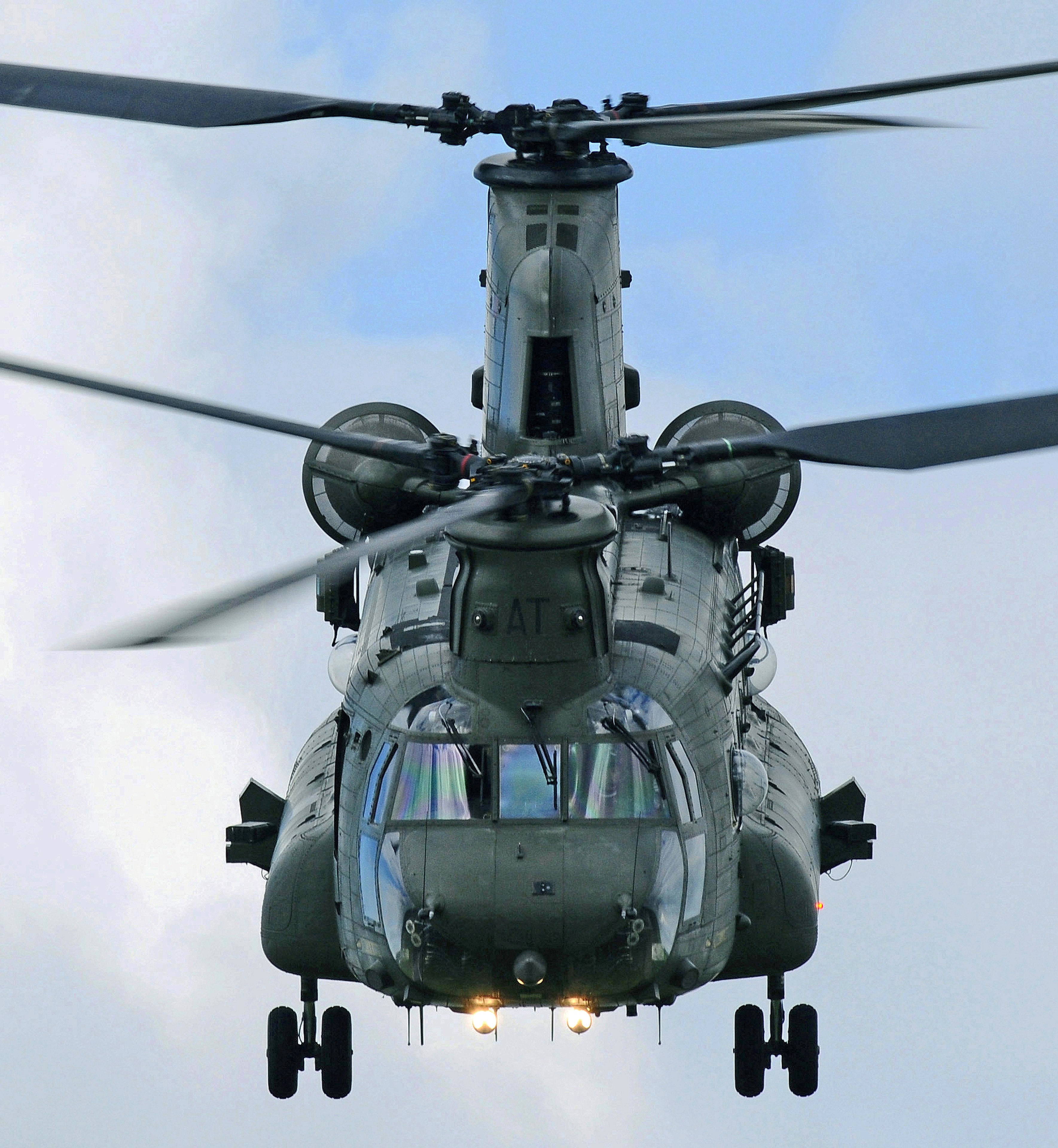
I headed across Goose Bay, remembering that ethnologist Frank Bird Linderman had built a cabin somewhere in the curve of its shelter. I passed Miller Point and looked to my right at the beautiful white bridge that arches over the lake and links a magnificent property to a black tower of rock. I stroked on toward Painted Rocks. Suddenly I heard a loud rhythmic pounding behind me, the rapid thudding of a very heavy helicopter. The sound grew increasingly loud and began to seem threatening, as if I were caught on the tracks and being chased by a locomotive. Turning around 180 degrees is difficult in a sea-kayak, my camera too deeply stowed for a photograph. All I could do was wait for the machine to pass overhead. A moment later an enormous dual rotor, mat-black, helicopter flew overhead only about 100 feet above the surface of the lake. Never having served in the military, I was unprepared for what would follow the dark machine’s passing. A few seconds after seeing the helicopter head south parallel to the coastline, the surface of the water became agitated. Suddenly I was hit by the rotor wash—an intense burst of wind that nearly stripped my broad-brimmed hat away and required a quick brace.
Photo Credit: Terrence Burke
At first, I thought the helicopter might be heading south at nearly 200 miles per hour toward the Thorne Creek fire north of Thompson Falls or perhaps that it would swing east and drop water on the Boulder 2700 fire that started near Finley Point. I paddled on toward Cedar Island in the hope that so much power might be brought to bear in the fight against the flames. Glad to see the island again, I planned to circle it a counterclockwise fashion, stop for lunch in a tiny cove on the east side, and go for a swim, wanting to wash myself clear of this summer. Just before leaving the limestone cliffs and crossing to the island, I heard the helicopter again. It had circled back and now was flying north. It rounded the cliff face and flew right at me, its dual, counter-rotating 60-foot rotors and roaring Lycoming T55 engines about a hundred feet above my head. This time I knew to expect the rotor wash and prepared for its blast before it fell on me.
For the rest of the day I told myself that this helicopter must have been enlisted in the firefighting effort, but things did not add up. Doing a little research after I drove home, I learned that the CH47, commonly called a “Chinook,” has been used to deliver water to fires in California, but all those machines have bright insignia and the nozzle they lower into the water was nowhere in sight. What I thought might be a refueling tube projecting from its nose was actually a big black machine gun that looked more like a cannon. This was a heavy lift helicopter, capable of raising an F-15 off a tarmac or ferrying 38 soldiers and their weapons to the scene of battle. This was not a firefighting machine, this was a war machine.
Reflecting on my encounter, it now occurs to me that not even such machines and all the weight of U.S. ambitions, not even 83 billion dollars nor the cocksure confidence of young men were capable of fending off the influence, planning, coordination, intimidation and extortion of The Taliban. Quite simply, our weapons will not save us. They will not save us from insurgency or from better intelligence. Despite all their power, they will not save us from drought, fire or flood. Like picking up a sledge hammer when we need a paring chisel, we are using the wrong tools for the job. The hubris of empire has fooled us into thinking we can do anything we want. Not so. In Afghanistan dust storms and a shoulder-mounted rocket brought down these machines.
Now the next morning, I am left with the fear I felt as this machine followed me from behind or suddenly appeared in front of me when it rounded the face of the cliff. Yes, I can imagine the hope that so much power might save us, the hope of the powerless; but more than anything I feel the residue of fear as these machines depart, leaving us in the wash of their down-drafting wind.
In the days of drought and fire I fled to the lake, immersed myself in liquid green and blue. But I discovered that none of us can escape the consequences of choices we have made or some of the illusions we try desperately to maintain.
On May 4, I fell from my bicycle and broke my left arm in three places. At impact I also dislocated the radius and tore up muscles and nerves from elbow to hand. I could not paddle all summer. Like people afraid of contagion, I had to give up things I loved in order to stay safe and to heal.
On September 10, my wife and I took a little driving trip up through what we call “the Seeley Swan,” a long valley with a divide at the top where the waters flow either north or south. After settling into a motel, I drove down to the public beach and launched Bluebird into the clearest water I had seen all year, paddled to the wild west side of the lake and then north against a head wind that allowed me to apply muscles I had tried to maintain during months of recovery. The next day, September 11, after a breakfast of wild mushrooms, eggs, and Cambazola cheese, with fruit and a sourdough roll on the side, we drove down the Swan River and into the Flathead watershed, the Yang to Swan’s Yin.
We pulled into the campground at Finley Point, marked “Full” like every other campground in Montana this summer, as people from our own state and the rest of the nation head outside. We pulled into the day-use parking lot and left one space between us and a battered truck covered with red insignia and a flaccid flag. I unloaded Bluebird and placed the fragile hull on the rough boat ramp, stowed the bag for “what ifs?” adjusted the ferrule for the right degree of feather, and stroked out of the marina and toward Bird Island.
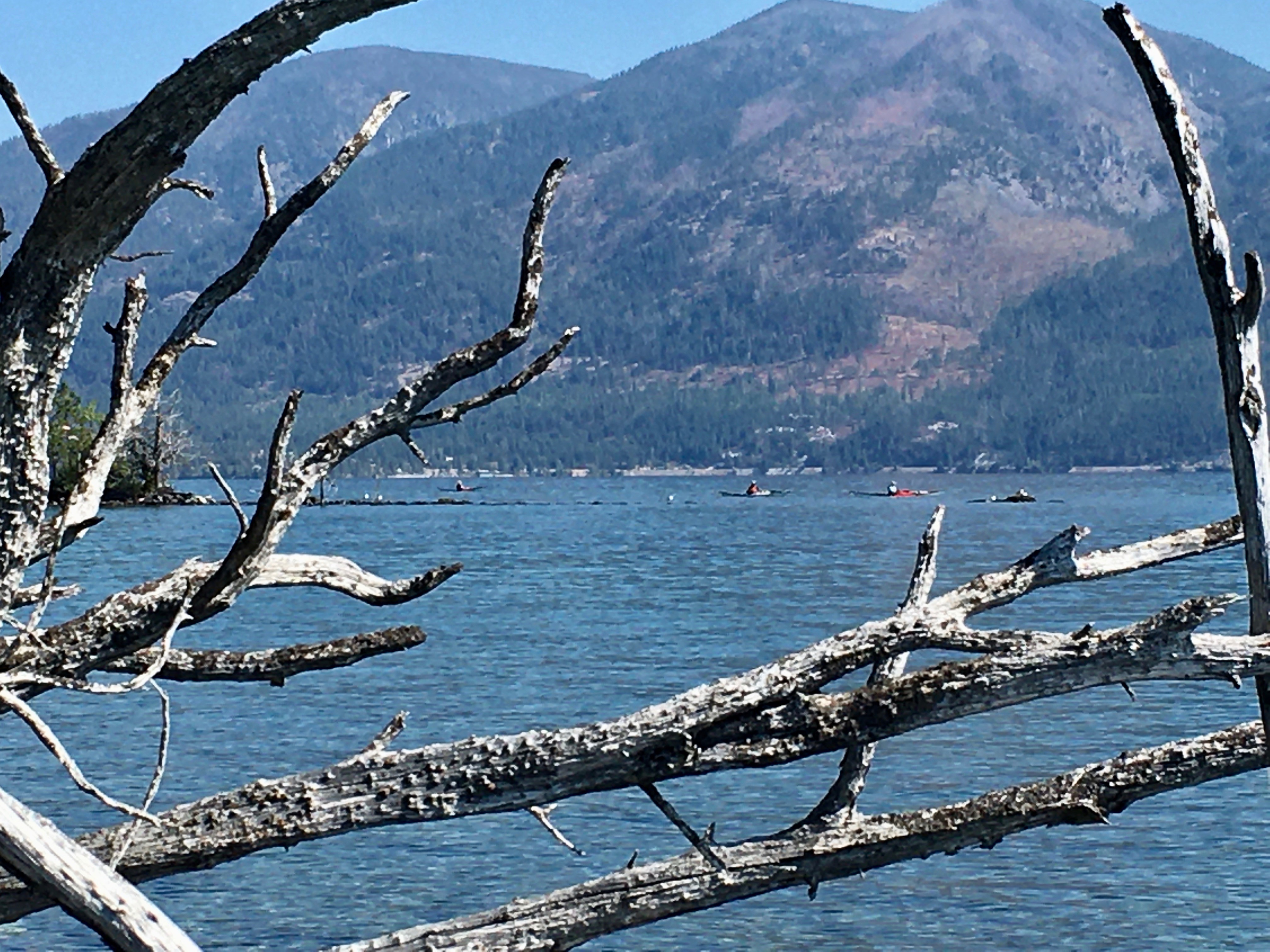
Earlier in the summer I learned that the island had burned. I first thought lightning might have caused the fire, but a friend later told me the fire was probably human-caused. During the long months when nothing in my arm seemed to be improving, I held out hope I would be able to paddle to the island before cold gripped the land. I wanted to see what fire had wrought. As I crossed Finley Bay I could see four paddlers about a mile ahead. They had launched a few minutes earlier and also wanted to see the island. I rarely see other paddlers on the lake, so this seemed like a chance to enjoy being part of a flotilla. Paddling hard, I caught up with them before they reached the tip of the peninsula and learned they were part of a paddling club out of Kalispell. We eventually split off from each other when I proposed to go counter-clockwise to their clockwise circle around the island.
When I reached the southern edge of Bird I saw the first of many signs erected by Montana’s Fish Wildlife and Parks asking people to stay off the island. Perhaps the department wanted to conduct archaeological studies in soil now exposed by the fire or protect the public from burned trees sure to fall in the next strong wind. Though I wanted to look for the first signs of recovery brought on by this massive release of nutrients, I accepted the restriction. Even without landing I could see that nearly all the undergrowth had been consumed by fire; trunks of larger trees had blackened; some trees had already fallen, root wads now in the air; only a few trees at the waterline seemed unharmed.
When the other paddlers and I next intersected, like electrons moving in opposite directions around a nucleus, we devised a plan to meet on the beach at Bare-belly, a tiny island a few hundred yards south. It was an ideal location to continue our conversations, to eat together at a respectable distance, to hear stories about paddles from the Washington coast to Sitka, Alaska. We identified the origins of our love of paddling, compared hull and paddle designs and shared where we were on the day we learned about jetliners crashing into the World Trade Towers. Gratitude for our lives and our connection to this clean, vast lake permeated every story.
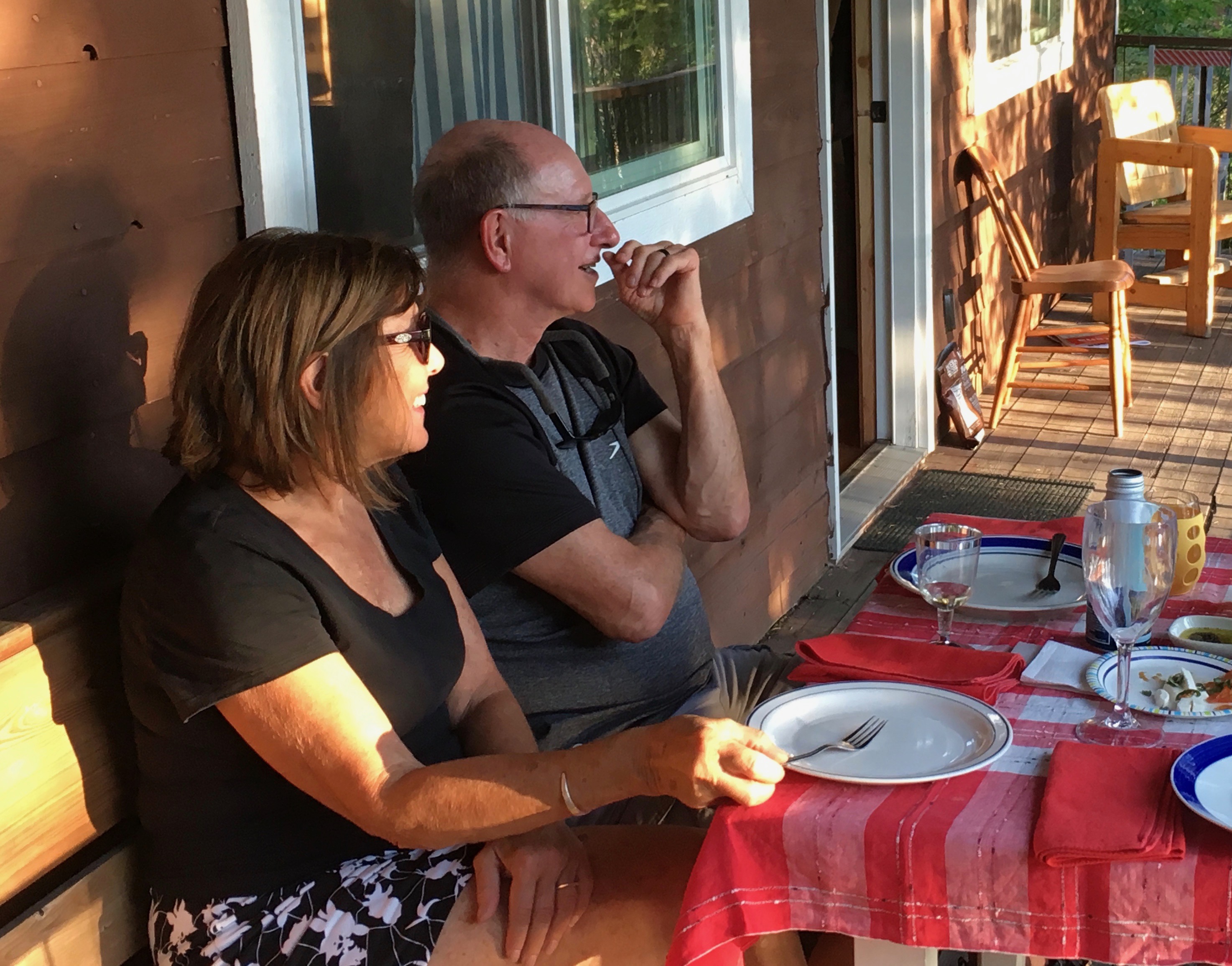
Having left my partner on the beach at the campground, I felt internal pressure to resume my paddle, so I lifted Bluebird off the beach and stroked back to join Joyce for a picnic. She had spread out our red-check tablecloth and the remnants of snacks packed for our drive. As we ate, a tall, handsome man approached and asked where I had paddled and where we were from. Sensing his desire to learn, I answered his questions and then began to listen to his story:
We sold everything we owned, bought a truck and an RV and drove up from California. We are so glad to be out of there. My wife is a professional photographer. She talked to the state and offered to trade photos and drone video of the park in exchange for a reduced rate on our campsite. We’ll stay in Montana through September then head south just ahead of the cold until we get to Tennessee. We’re looking for a red state and a good deal on some land where we can park the RV.
I resisted the impulse to tell him that even Democrats can be patriotic and we always take our lives with us. It was better to listen and to learn.
As much as anyone, I know the joys of paddling through variations on blue and green, the peace of the running wave and flowing air, the exhilaration of driving a prow into wind and waves. I wanted to recover from my injury so I could experience these things once again. As much as I enjoy paddling a sea-kayak, I will remember this day for its people, for the stories we want to tell, for the way we humans long to explore what we have not yet seen and do not yet understand, for the way we want to congregate with people who seem to belong to our tribe or separate from people who are different and frightening. Like Bird Island after the fire, it will take a long time for the seeds of a new way to germinate and for us all to recover from things we have wrought.
After a very cold October the weather of November felt gentler. The ground re-thawed and I found a better way to settle a couple of stones into the garden. I sprayed copper on my peach tree to control leaf curl. In the middle of November, I spotted a day in the forecast that looked suitable for a paddle. The predicted high was 45, the water temperatures held at 43 degrees and wind was not a significant factor.
Though I wish I were above such desires, I often go paddling in search of a gift from the lake or the process of being in the kayak. Sometimes I find a feather, an unusual pebble, a piece of driftwood, a solution to a problem I work over in the waves of my mind, or a growing sense of competence in my boat. While paddling I stay open to what the gift might be. Often, I encounter something unexpected.
I left town later than normal, around 9:30, to take advantage of the warmest part of the day, and arrived at the boat ramp about two hours later. Knowing that I need to dress for the water not just the air, I put a full dry suit over wool underclothes and stowed three pairs of gloves, my hands being the most vulnerable to cold.
As I pulled away from shore I was startled by a very large buck seasoning under a shed roof nearby. The head lay unceremoniously on the picnic table. As I began to stroke into the lake I did not have a particular goal. I simply wanted to experience the lake at this time of the year and did not want to put myself in a dangerous situation far from shore. Because the conditions allowed, I paddled to nearby Melita Island where I stood in the shallows of a crescent cut into the gravel. I changed from my light gloves to a heavier set with natural curves built into the fingers. This arrangement felt much better, since my hands would be wet all day. I now faced a decision: should I continue into the light breeze, using strength early in the day, or settle for returning to the north-facing shoreline where I could easily retreat to Walstad? The lake seemed to allow for a longer paddle, so I left Melita behind and crossed the strait to Wild Horse Island. I had never circled it this late in the year.
When making a crossing I fight an unconscious desire to paddle harder, feeling some anxiety about exposure. I kept reminding myself to slow down, to find a rhythm I could maintain over the two miles of open water. I reached the south east corner of the island as a construction crew arrived by boat to continue working on a new and beautiful passive-solar home. As I paddled up the east shore I saw how autumn’s winds had knocked down quite a few trees along the shore, or in some cases, around people’s cabins, branch piles telling the story. Along the way I noticed that a dock belonging to some friends was simply missing. Had they decided to replace an aging structure? Had a storm ripped it loose from its footings? I did not know; but remembering October’s weather, I was not surprised.
As I continued along the shoreline I realized I would be able to return to Osprey Cove where I had injured myself on May 29. With the lake 3 feet lower than when it is at full pool, the gradient of the gravel on the beaches is steeper. I pulled in close, lifted my skirt, and stepped out. I slid Bluebird up the gravel and pulled out my lunch for which I was more than ready.
After a steelhead sandwich and most of a bottle of water I began to explore the beach. I was relieved to see that the blood I’d left on the stones was long gone—nature taking care of these things. On the edge of the forest I found what for me was an unusual skeleton. At first it looked like it had belonged to a fish, but what first appeared to be a skull turned out to be a sacrum. This suggested that an eagle had taken a duck, and after feasting high in the tree, had cast down the remains.
Moments later I saw a large aluminum boat approaching the cove from the south. They pulled into the cove, let the big diesel engine idle and drifted. Two men standing at the transom scanned the timbered slopes above the island. Curious, I got back in my boat and paddled alongside. I spoke first and asked if they were aboard a research vessel, knowing that the Flathead Lake Biological Station has a similar boat. The men looked puzzled:
“Research vessel? Not really.”
Silence followed.
Seeing now where they were looking, I tried again, “Looking for eagles?”
“Yeah, there’s a nice one.”
I looked where they pointed their chins and saw the bright head and big body of a female bald eagle in the upper branches of a Ponderosa.
Like them, I held the boat steady and enjoyed the stolid presence of such a magnificent bird, more than capable of picking a merganser, gull or cormorant off the water. I wished them a good afternoon and slipped away.
Throughout the afternoon I kept seeing this unusual boat with its long, open afterdeck and blunt prow. It powered up to Cedar Island where I have often found eagles, across to Elmo, back to the west shore of Wild Horse, and then down toward Polson. I surmised they were out in November simply for the joy of seeing eagles.
I paddled on, noticing changes—how a tiny foothold of a building on a northside lot had now become a cabin; how the island wore a beautiful necklace of woody debris in tan and gray, less visible at high water; how the leaden skies intensify the color of young Douglas fir trees born of fire.
To shorten the distance, I paddled off shore and did not go into Skeeko Bay but headed for the rocky point that marks its western entrance. In the distance I saw something strange, something in the water, something moving. I kept my eye on this spot as I closed the distance: a herd of 6 mule deer had walked out into the lake on the gravel that accumulates in this area. They waded up to their bellies and even their ribs, occasionally dipping their heads for a drink, if not a wash. They, too, were taking advantage of a gentle day. They, too, knew this spot where they could be in the lake not just on its margins. Because these deer are unaccustomed to predators, they let me approach, but they eventually turned and shook themselves off like dogs, something I had never seen before. I tried to get past the gate of the passcode on my phone so I could take a picture of this unusual behavior, but the thick neoprene would not allow me to get inside the phone. I considered pulling off the tight glove, but knowing how hard it would be to put it back on, I chose safety over a photograph and filed the image in my memory.
I settled back into the process of stroking for shore when I heard the deep thrum of the boat that followed me into Osprey Cove. The men kindly circled me at a distance, something weekend boaters never do. I appreciated the wide birth and enjoyed the huge rolling swells from their wake that lifted me several feet in the air and then set me gently back down.
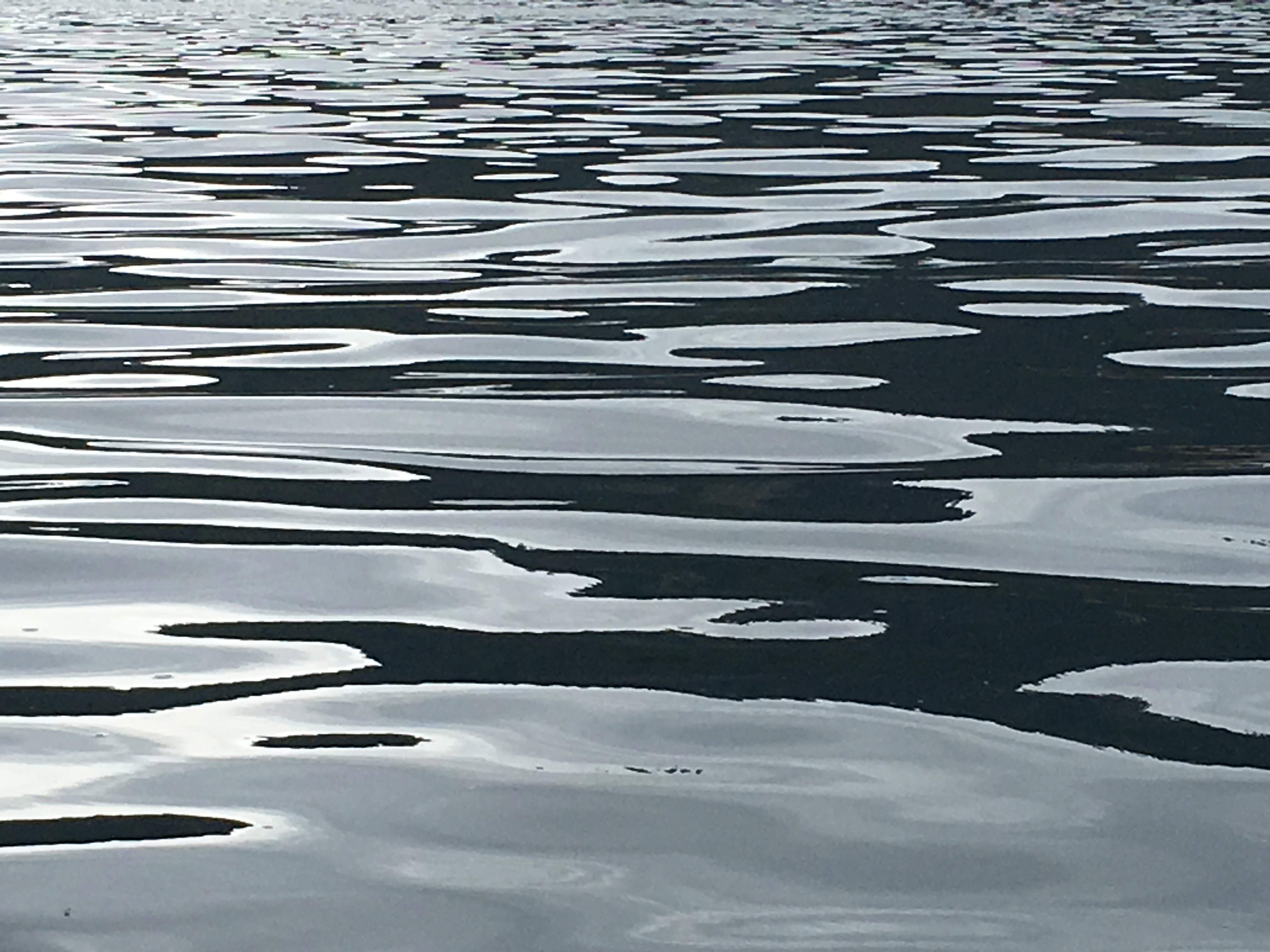
The whole day the sun never showed itself, but in the south, down near the low topography of Big Arm, more light appeared beneath the heaviest clouds. It cast an orange glow on the water and combined with the shadows on the back side of little waves to create what seemed like a genetic code of light and shadow, a glimmering bar code of horizontal orange and gray dashes. I had never seen such light. This was the gift I had not expected.
In the way that climbers reach a summit by permission of the mountain, I had been granted permission by the lake to enjoy its gifts in mid to late November. I had nothing to tuck under a hatch or stow in a dry bag, only the gifts of transience, a big vessel passing at a respectful distance, its engine strangely comforting, light and shadow, the remains of life beneath a towering tree, the memory of deer moving out along a gravel bar far from shore. This was more than enough to carry me through winter.
Late September is a good time to reflect on this year’s season of paddling. I do not know if my jury summons, final yard chores, and the need to prepare for a brief teaching gig will allow me to get back to the lake for a final paddle. Not knowing if I will be able to return, now seems like a good time to write down my impressions since the paddle blade leaves no evidence of its sweep.
I first made contact with the lake in March. The water was covered with such a hard shell of ice that one could have walked from Dewey Pt. to Cedar Island, perhaps even the four miles to Wild Horse Island. Everyone was saying, “Will this winter ever end?” But by May I was paddling again, dressing for 40-degree water and wind delivering a smack of cold.
As I look back on my fourteenth year on the water I am left with the sense that the my experiences are still with me in the way that a long day on the water leaves a person’s inner ear adjusting to the rhythmic motion of waves.
I see clearly that paddling, like meditation, is not an end in itself. Yes, I love the pleasure of plowing into the wind on a hot summer day, receiving the splash of spray, or paddling on a calm evening, even one under the stars. And yes, I love the exhilaration of a downwind run and enough competence in the boat to let the waves roll me at odd angles without fear. But I am thinking about impressions and memories of a different sort.
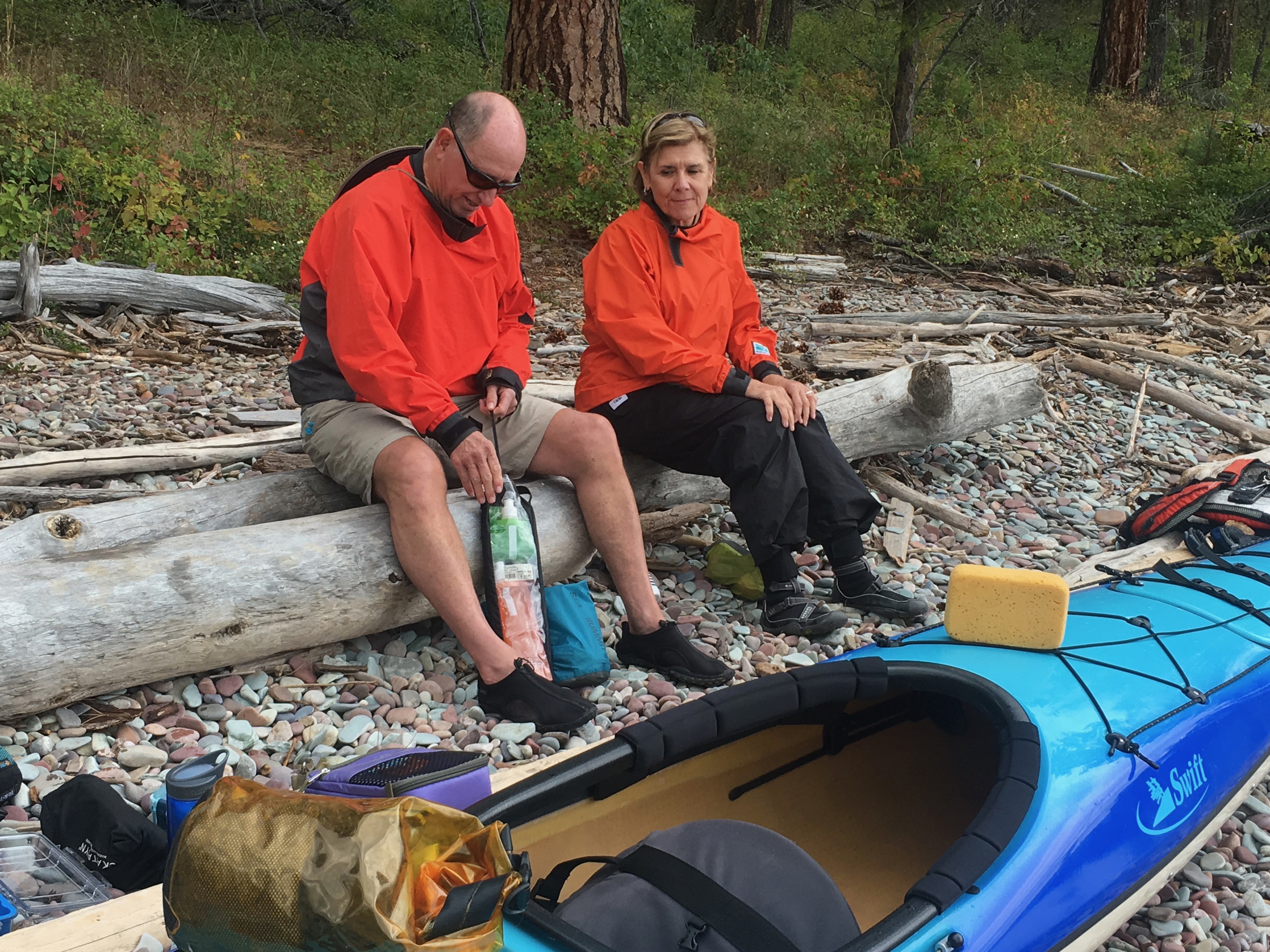
Though I mostly paddle alone, I remember a particular day with friends. They wanted to gain more experience in their new Swift boats and enjoy the process of becoming more familiar with the long shores and crossings of Flathead Lake. After a lovely meal in evening light we trusted the next day’s forecast of “variable winds up to ten miles an hour with waves less than a foot.”
The next morning we launched from the United Methodist Church Camp, paddled past the pictographs left on a limestone wall, and cruised the shore up to Deep Bay where I could not resist a dive into clear water. After lunch we headed into a freshening wind. I knew we had our work cut out for us. As we paddled in rough but manageable conditions, I would say to them, “We could pull out here and call for a ride” or “We could rest in the lee of that island,” or simply, “How are you doing?” I loved hearing, “This is hard, but let’s keep going.” I loved the process of making good decisions with other people rather than carrying the burden alone, turning my ear to signs of distress or enthusiasm, my own or those of another. Making good decisions with other people feels like a lasting joy. In the end, rounding the last corner we were given the relief of a downwind run.
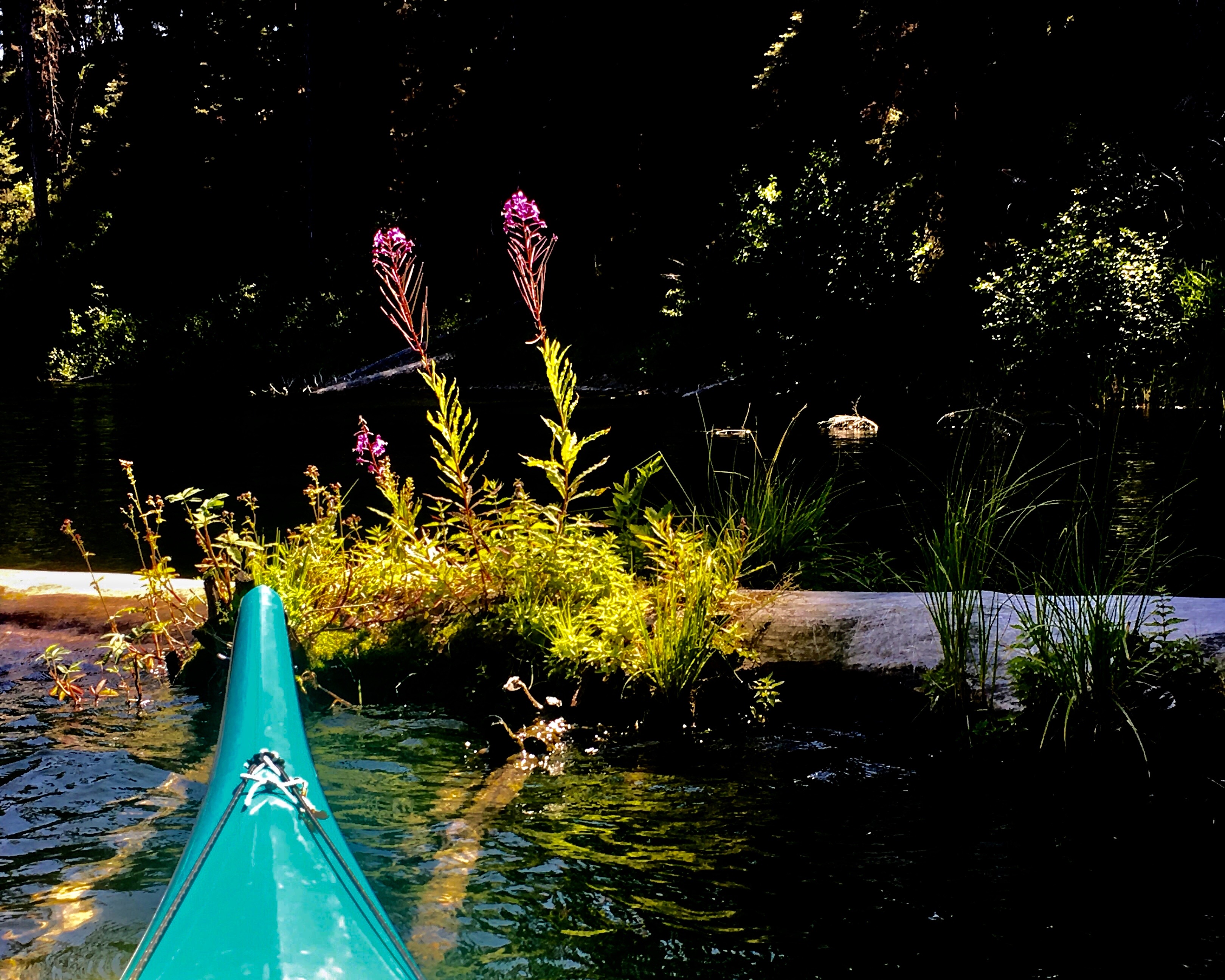
Looking back I see clearly that not every paddle needs to be an epic adventure. Just as it is possible to stroll along a river trail or wander through an old neighborhood, it is possible to paddle in a desultory way. For example, I remember an afternoon on Lake Alva. The membrane of consciousness registers the skittering of ducklings, the ruffled surface of baitfish trying to escape a predator, the stillness of a heron in the slow water below a beaver dam. After paddling across the lake and into one of its coves I remember sitting still in my kayak and marveling at fireweed growing out of fallen log. A slant of light fell through the forest and raised the flowers into a purple torch. After exploring the outlet of the lake, I returned to my wife’s fancy picnic of smoked salmon, Struan bread, fresh cherries from local trees, and Gorgonzola cheese. Sometimes paddling is less about working toward a destination and more about gaining a greater appreciation for the quietness at hand, the sound of a little girl speaking to her attentive grandfather and listening to him gently respond as he sat sunning himself on the beach.
As I look back I also sense how an aspect of paddling has implications for life beyond the water. When making a long crossing from point to point or shore to island and back the progress seems so incremental as to be barely discernible. Yet, with patience things come into focus. If I continue to paddle from where I am, rather than toward where I want to be, I eventually recognize a landmark, a white buoy or a leaning tree. The shape of an island becomes sharper; the memory of red barn on the hillside is confirmed. Such clarity is not given to us in the beginning; it comes to us over time. I count on this impression from a season in the kayak as I work to make sense of what is happening to our country, as I consider the impact of a Swedish teenager on our burning of the world.
Not all impressions are positive. In late August I joined five friends for a paddle down the Flathead River, a way of celebrating all that the Flathead basin carries to the world west of the continental divide. Leaving better campsites to families with children, we slid ashore after paddling five miles the first day. Almost immediately we were assaulted with the sound of ATV traffic, blowing dust and hours of random gunfire. Though I had camped in this spot before, a lot changes in fourteen years. A dusty and rutted road had been pushed into the river from who knows where. Now in the multiplying fire rings I found a failed engine starter, shell casings, an abandoned sponge too wet to burn, lots of plastic and aluminum. The next day at the takeout, dog excrement covered the beach and an empty Coors can, driven by a merciless wind, bounced down the parking lot. I asked myself, should we withdraw from places of violence and violation and search only for places not yet destroyed? Though I feel the temptation to withdraw, I also wonder, should I return to this place with equipment that might allow me to improve on the desecration? Or, do we need to go back to the sources of what cause people to treat the river and the earth in this way? I do not know the answers to my questions, but they stay with me.
As my last tomatoes ripen and bucks begin to chase does across the back yard I am left with another question: can we store beauty? I have seen so much of it this season—ovoids on the water while paddling in a September rain,
the flashing colors of a kestrel landing in the top of a Ponderosa, faces of smiling friends at the end of the day, an Arctic loon that allowed me to slip by while it was fishing before it continued its journey south, and always the variations on blue and green. Can we store such beauty like oats in a glass jar, like frozen plums in a bag that will see us through the winter to come? I’m not sure as each new experience seems to trespass on those that came before. The beauty we see seems to linger but not endure. It may last only as long as a musical note left in the concert hall. Yet, enough of what we experience lasts long enough to leave us with the motivation to return to the water. The lake calls us back because of all that it has given in response to our efforts to slide across its ever-changing face. Memories may lead me to next year.
From time to time I remind myself that an eagle feather will not fall out of the sky and land beside my tent every morning; that I will not find a polished antler every time I walk up the hill; that not every June will be moist, free of wind, and permit each green thing to flourish; and that not every conversation will wander happily from topic to topic and end in resolution, understanding, and warmth.
And yet, some days the door to disclosure and discovery seems wide open. Yesterday, for example, I joined two friends who had just married for a post-celebration paddle around Wild Horse Island. After forty-six days without measurable precipitation and with smoke in every valley it had finally rained and cleared. A brisk breeze blew out of the southwest, a rarity in late summer. After launch we let the wind and waves rock and roll us toward the south east corner of Wild Horse Island and then gentle us toward Osprey cove on the timbered east side, with only a distant sailboat on a downwind reach in open water before us. As we turned into the cove we saw the final act of aerial competition between a bald eagle and an osprey, the heavy bird driven into a ponderosa, the lighter more agile fish hawk in quick retreat after a final taloned dive. On shore we sat in the marvel of brightly colored stones and enjoyed hunks of cheese, a tuna sandwich, Greek olives and monster cookies, calories not a problem.
As quiet as butterflies, three fulsome bucks came to the water to drink and seemed completely undisturbed by the sound of our voices or scent. It was not easy to reconcile their horny hooves, hardening antlers, and the softness with which they tipped forward and sipped the clear water.
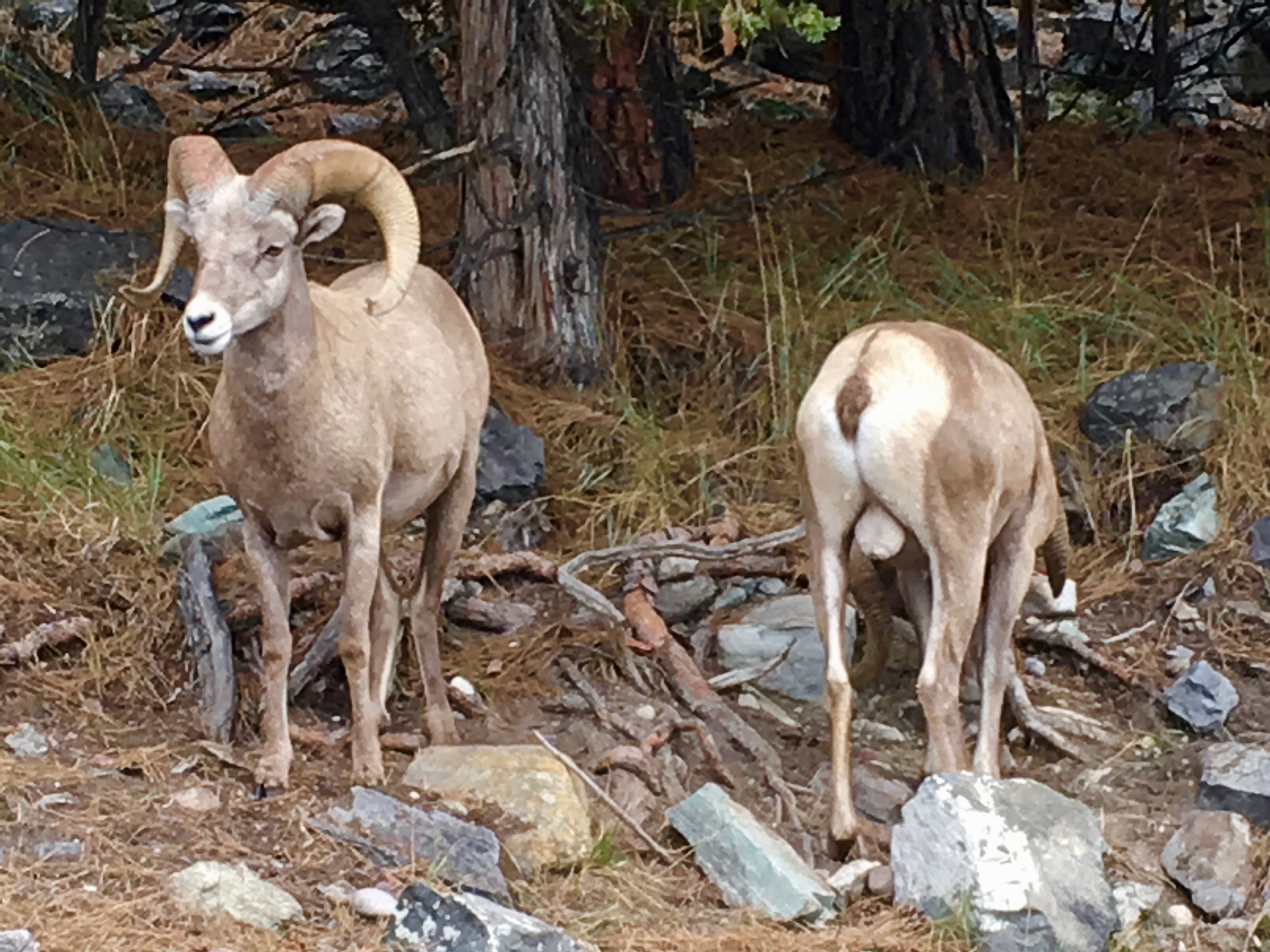
Later, after rounding the north point of the island and we began the southbound leg of our circle, we came upon three enormous Bighorn rams on the steep and rocky shore below the red cliffs. Intent on rooting out some tasty mineral, one ram turned its rear to us while the others faced us squarely, warning us not to take one more stroke toward them. I felt astonished by their mass, the age and size of their curling horns, and hoped they would not crash into the water in an effort to drive me away. Their red eyes and hard stare were unnerving.
Some days we circle our islands and see nothing worth remark. No matter our hopes, or even our openness, the doors seem closed and no feather falls in the night. But other times the curtain between us and discovery, between us and the Other, whether human or wild, seems parted, pulled back within the stage’s curved frame. Yesterday was such a day. If our arrivals had been different by even five minutes we would not have seen what we saw. After hauling out we drove home in a state of wonder, grateful for the good fortune of timing and everything we had been allowed to see.
As everyone in the Northwest knows, the summer of 2017 was difficult. From the first week of July through the first week of September our forests were on fire and more smoke than we had ever experienced piled up behind a ridge of high pressure. Smoke poured into our valleys, filled our lungs, left ash on every surface, and embers in our yards. For many this was also a summer of anxiety and hasty preparations for evacuation. Some of us returned home to the smell of wet charcoal, black fields of devastation, and worse. In response to the casual question, “How are you?” people often answered “Depressed.”
As a paddler I occasionally inserted a trip on Flathead Lake between the darkest days of smoke, encountered locked gates at state parks, and waited like everyone else for the air to clear and costs to mount.
On September 29, I finally found a bright and fresh day for a solo paddle out to Wild Horse Island and a clockwise trip around its perimeter. It felt healing to exercise in pure air, to be reminded that our world is indeed beautiful after weeks of finding it fouled, polluted and threatened. Late afternoon light backlit every snowberry, spider web, needle and turning leaf in the draw above Osprey Cove. A shift in the wind gave me five fast miles at the end of the day.
During this paddle I thought I might feel elevated by the knowledge that our world we love had finally been returned to us. But after this summer I felt more reflective than jubilant. All the evidence suggests that what happened this summer will happen again.
I have always been skeptical of the human inclination to use nature for our own purposes, reducing it to one more resource that we exploit for our own pleasure. I know, it is good to wash one’s mind in the bath of green and blue water. It is good to test one’s inner strength in the face of variable winds and distance. It restores balance to play on the waves. But time in a kayak, especially by oneself, gives a paddler occasion to ask, “What is all this for? What larger purpose does it serve?”
In my post of May 7, 2017, I proposed that we have a responsibility to attend to and behold the things we encounter. But on this Friday in September the currents took me deeper. After this summer it seems we have an inescapable responsibility to address the forces that are making our world increasingly uninhabitable. It is no accident that our forests are burning and coastal cities are awash in water that overwhelms the land and its inhabitants. We are doing this to ourselves and we must undo what we have done. Or, to shift the metaphor, we must change course because the one we are on leads to ruin, especially for the most vulnerable among us.
It is not for me to say what others should do. We must see this for ourselves. But I am clear that I have a responsibility to understand the impacts of what we are doing to the planet and take action in word and deed to promote choices that lead toward better ways of being in the world. A paddle in bright light makes this clear. It is time to do more than sigh with relief or toss up our hands. We have work to do, changes to make, a course to correct, while there is time.
I am probably not alone in feeling an inward pressure to keep moving, to stay productive, to make the most of my time. In late October, for some reason not clear to me, I remembered to pause rather than push.
Every year, if the weather allows, I try to make a paddle in late October or early November. Paddling at this time of the year allows me to honor the season in which my father died and his love for messing about in boats. I spotted a day between autumn storms and a few responsibilities. I loaded the boat the night before. In the morning both Bluebird and the windshield were coated in frost. I started the engine, and after the windshield cleared, drove north, pulling into the Finley Point Campground. The air was still cold, a hard wind blew out of the north, and waves, as predicted, rolled south. I paused in the truck to consider my options: drive back home; wait out of the wind to see if the waves would settle; or pause and observe before making a decision.
While sitting in the driver’s seat I struggled into my dry suit so that I could stay warm. I sat reflecting on my choices and watched the waves. Looking north, it was very clear that I could not take a direct route to Bird Island, one of my favorite places on the lake. Even from the parking lot I could see big waves crashing on the rocky shoal off the cliffs west of the peninsula that forms Finley Point. Looking west, I tried to imagine myself in the waves between the marina and Bull Island, an intermediate point of a large triangle that might eventually lead to the avian refuge of Bird Island. If I were cautious and patient, and took one wave at a time, it seemed possible to make the lee on the south side of the island. I launched but paused just outside the marina to get a feel for the swells. I did not need to commit myself to the island until I felt confident that the waves were manageable. Pausing gave me this clarity, so I proceeded.
When I reached the coves on the south shore of Bull Island I noticed that three fishing boats had also sought refuge out of the wind and waves. I slid between two of the boats and braced for balance. Like me the fisherman had grown tired of a rising and falling horizon. In addition, one boat needed patient attention with needle nose pliers after nylon fishing line had become wound around a drive train. We visited about the conditions and the prospect for a calmer afternoon. Eventually I backed away, found my own gravel bar and took time for lunch. All the while I listened to the wind in the trees behind me, telltale indicators of conditions to the north. I knew to wait.
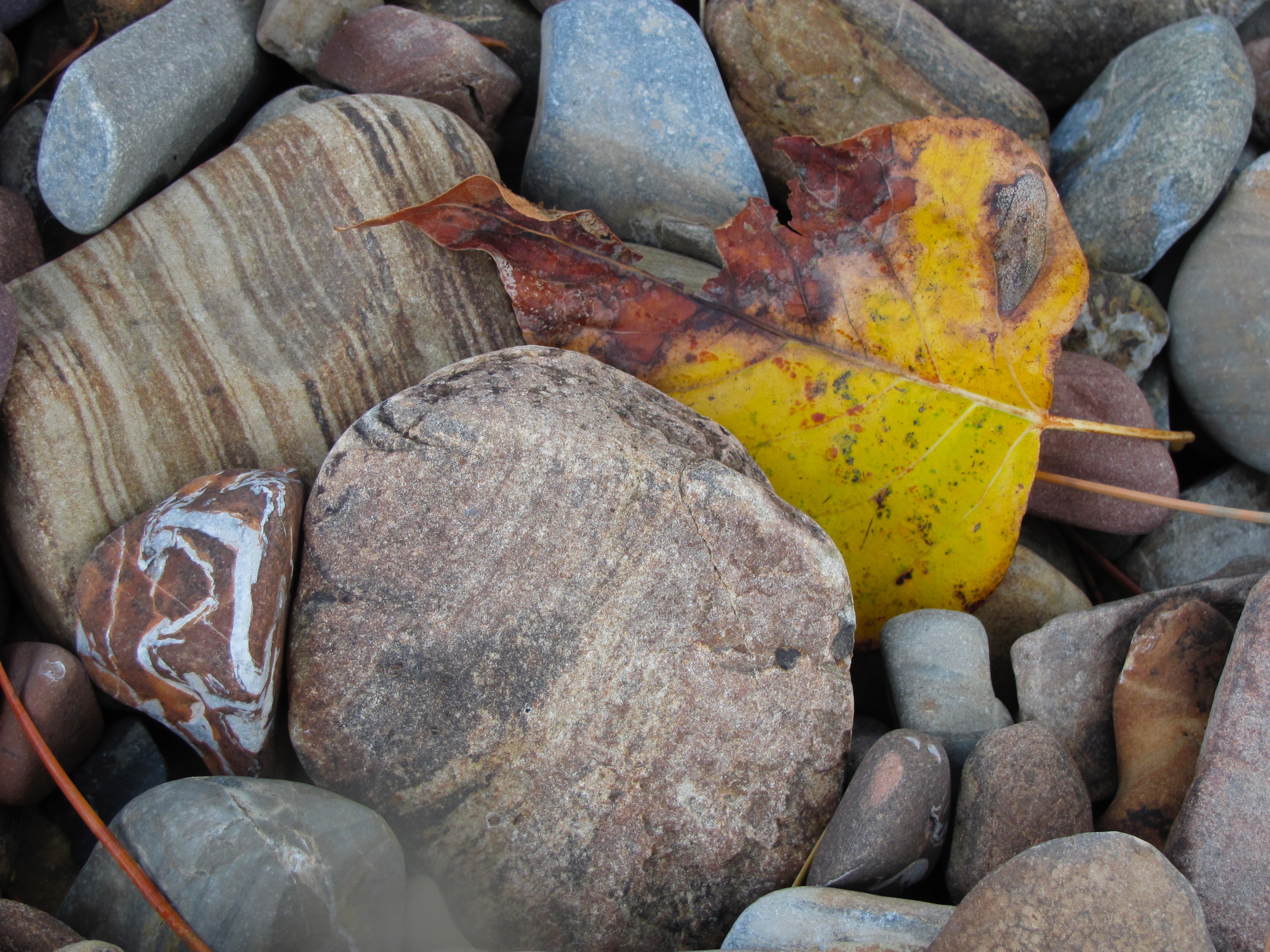
While waiting on the island I wandered around, found little compositions of autumn color,
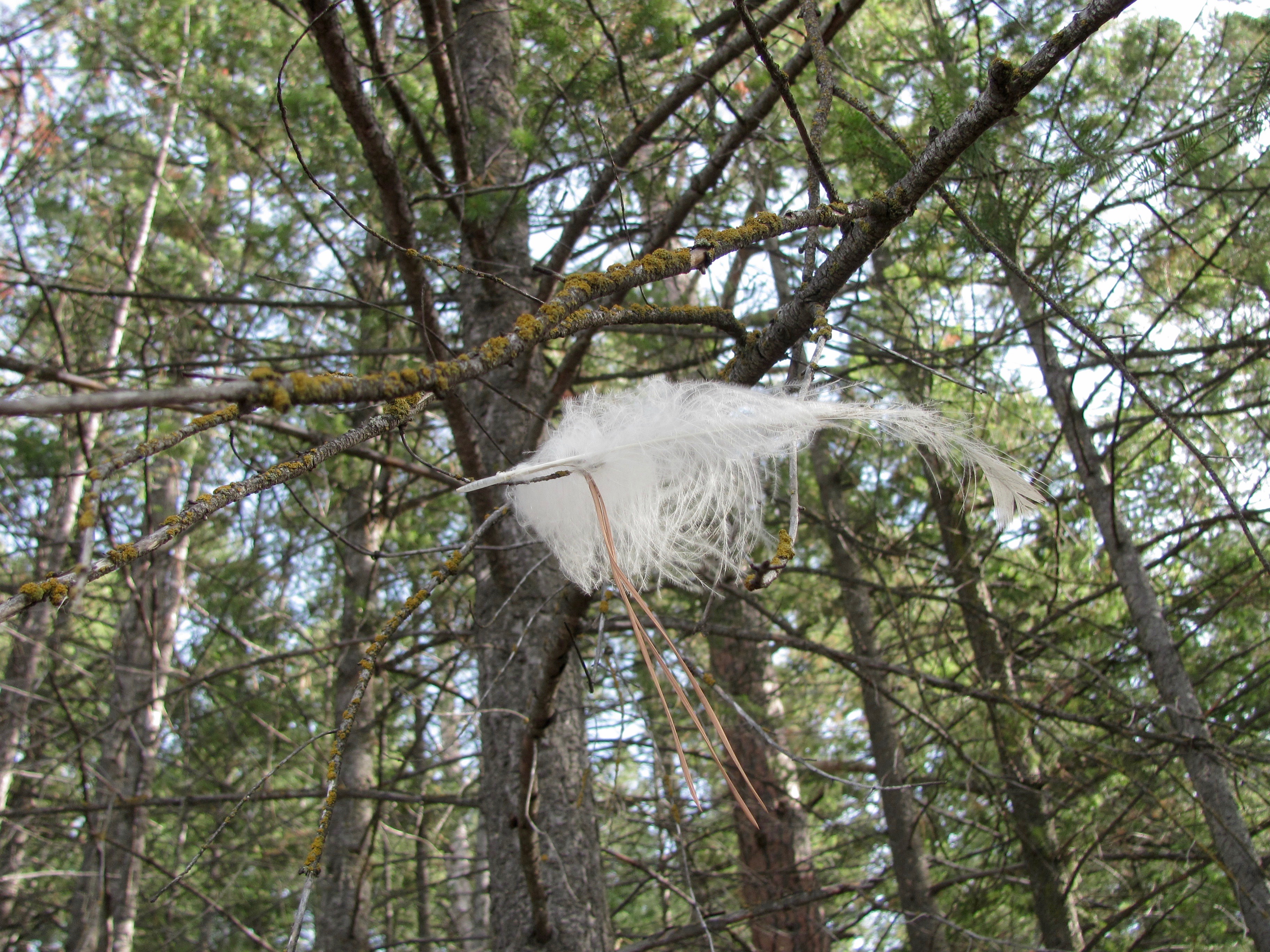
eagle plumes stuck in a chokecherry beneath a roosting tree,
and a pile of bear scat that proves hungry bears swim to the islands in a desperate search for food. After about an hour I sensed that the wind was beginning to subside and that gravity would eventually settle the waves. I paddled up the west shore of the island, but paused again before rounding it and heading into the fetch. I stayed out of reach of big waves crashing on the ramp of stone at the northern tip of the island and paused to study the more rounded waves in the open water. Trusting my boat and my experience, I advanced into the channel, taking each swell off the port quarter.
When I reached my favorite north-facing cove on Bird Island I took time to watch waves break and slide up the steep gravel. As the lake is being drawn down for winter, I could see that this beach was not a good place to land solo, so I swung right and rode the swells and wind down to the lee of Bare Belly Island. Though this is a small private island, I paused here to rest and eat my Honey Crisp Apple. I would not leave a trace of my presence. Now out of the wind and finished with the workout of crossing the channel, I shed my fleece hat, neoprene mittens, and opened up my dry suit. I waited long enough to come back to equilibrium and took time to look around. A few feet to my right I found a dog collar hanging in a cottonwood tree. Studying its position on the branch, the tag identifying Abby, and five phone numbers if she were ever lost, I realized that this was a memorial to a much-loved dog, a dog that probably liked to swim in the same shallows where I paused to rest. I could easily imagine the mutual affection between this animal and its owners.
In time I resumed my position in the boat and coasted back to the marina, finding that beautiful rhythm that times a paddler’s effort to the assistance provided by waves on a downwind run. About half way across Finley Bay I simply stopped, said to myself, This will be your last paddle of the season; take a moment to feel the lake under you. I lay the paddle across my skirt and felt the enormous pulse of the lake’s body. I took time to acknowledge how my boat supported me through another season of paddles. I paused to notice the larch trees, their color like spilled gold across the mountains, and felt grateful for people who had the foresight to insure that the public has a few places to gain access to this world. Remembering to pause revealed options, made for safe passages and helped me gain a deeper awareness of the lake and the forces that affect it. It felt good to pause before saying goodbye, at least until next spring.







 ospreypaddler