When I go paddling now, perhaps because the interval between paddles is longer, several ideas for this blog present themselves simultaneously. Sometimes it is hard to select among them.
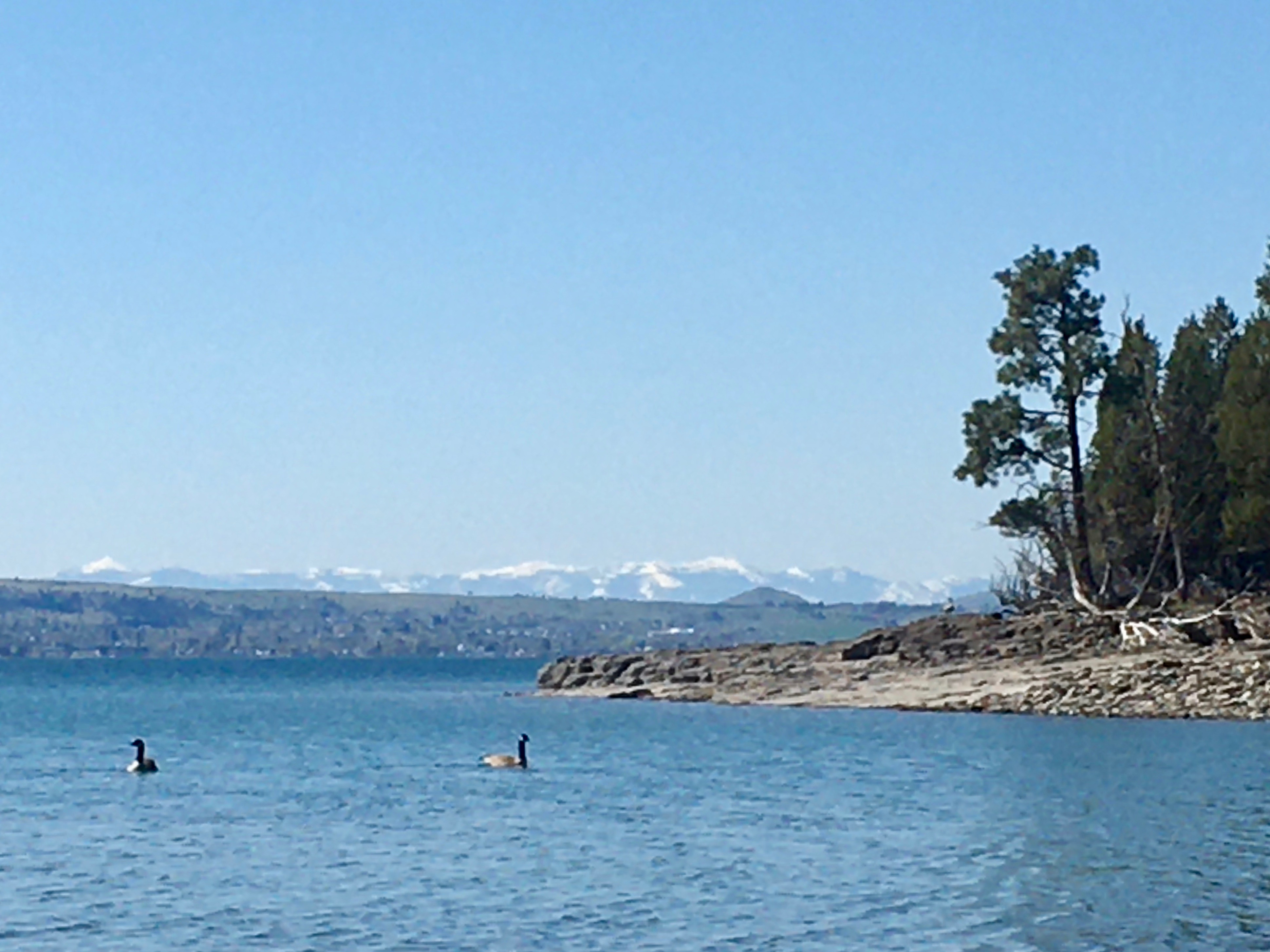
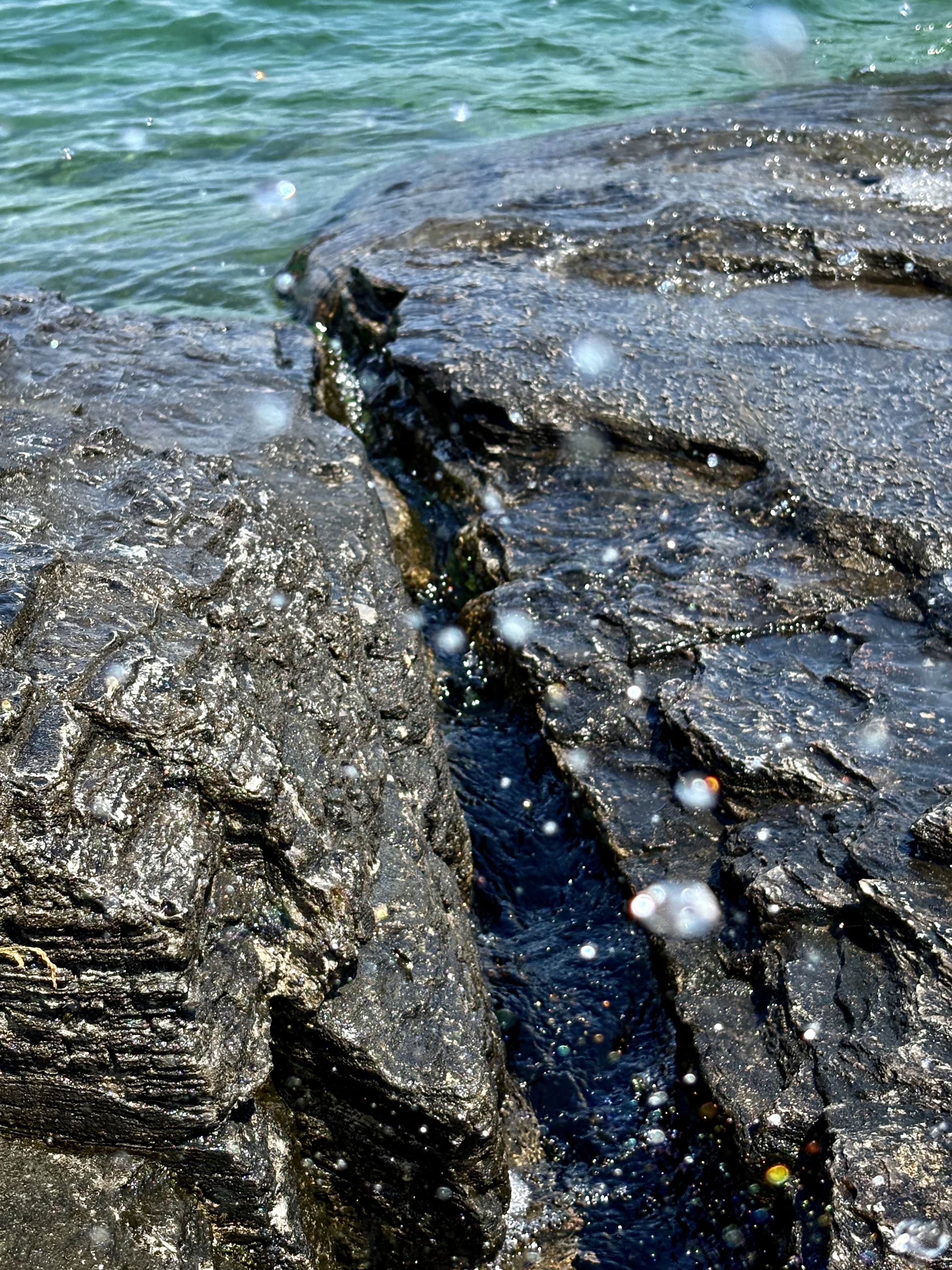
On Tuesday the forecast for Wednesday looked very good, but when I arrived at Finley Point State Park, I encountered the same winds out of the north that I experienced during my overnight in May. Now in warmer air and water temperatures, I did not hesitate to push off the concrete ramp and paddle out into Finley Bay. I stroked north into the wind but used small islands south of Bird Island to give me an occasional wind shadow. I stayed east of the main island and looked for places to land, but the high water-level covered most of the ledges where I have lifted my boat in the past. I rounded the northern tip of the island and paused. Could I paddle on, crossing the open water between Bird Island and Black Point? I studied the conditions. The day’s white-capped waves had begun to settle and rolling swells flowed south. Watching before moving, I ventured into the swells, sliding through the troughs and over the crests as I paddled perpendicular to their energy. I made the three-mile crossing easily, aiming for a big slab of rock that reflected sunlight and gave me a focal point on the opposite shore. To celebrate my passage, I touched the tip of my paddle to the sunlit stone. I felt amazed by the capability of our boats. So many years, perhaps thousands, have gone into the evolution of kayaks. A calm and patient paddler can go far and wide.
As I headed south from Black Point toward the east shore of Bull Island, I could not wash an image from my mind. Earlier in the day I came upon a memorial to a young man. It was not clear if his ashes had been left on the spot, but many objects remained as evidence of some kind of remembrance—a white steel cross inside a stone circle, a photograph in a wood and glass frame, many beer cans, plastic flowers, a Mylar whirligig, two plastic containers, one containing something like a Rubic cube. On the one hand I could tell that this man’s friends cared deeply for him and that they wanted to honor his short life. They had gone to a lot of trouble to create this memorial. On the other hand, I had questions. Is this the best way to remember people we love? Should we mark a wild place with painted steel, aluminum and plastic? Could we learn something from our Indigenous friends whose memorials are more perishable, vanishing into the earth in a much shorter time than modern manufactured materials? Could we remember where we placed the remains of those we love but leave the sites primarily in the folds of family memories, privately passing down the location from generation to generation but never forgetting? What if we saw our lives more modestly, more as a moment’s splash of bright particles rising into the air? I left the site well-aware that cultures and families have different customs, many quite beautiful, but still, I had my questions. I am choosing not to include a photograph out of respect for the man and his privacy.
I continued paddling south and found a gravely spot where I could land and go for a swim. Because it was a very hot day in the middle of summer, I felt inclined to avoid the two large bays on the south shore of the island. They would probably be occupied by numerous boats and people playing on various kinds of flotation devices. Though not much of a swimmer, I dove into the still-cool water, made a few strokes, turned around, and returned to shore. In the heat of the afternoon, I dried quickly and felt newly made. Why don’t I do this more often? I stowed clothes I had worn earlier in the day, felt comfortable in my swimsuit, and headed around the corner of the island past the two bays that indeed had attracted several boats and groups of people. I headed back to Finley Point at an even pace in freshening wind. After I pulled into the marina a man offered to help me load my boat. I accepted his offer and felt glad for it. On the drive home I pondered the rolling waves of my questions but could only find an answer for myself.